

















































the saturation of the market remains a critical issue.
As Eid nears, the discussion surrounding Pakistani film releases intensifies to the point that it is effectively an annual tradition.
This creates a lopsided industry calendar and this doesn’t look like changing, especially when three big projects – Aag Lage Basti Mein (ALBM), Bullah and Delhi Gate – are set to hit cinemas on Eid al-Fitr.
While this strategy offers a temporary spike in revenue, it ignores the fundamental need for a year-round cinematic culture.
Consequently, the industry finds itself in a cycle where major titles are hoarded for months, leading to a “feast or famine” situation for cinema owners.
Is the festive season truly the only time local cinema can breathe, or has this dependency become a self-fulfilling prophecy of failure?
This mindset forces a frantic collision of talent into a single weekend, leaving the rest of the year’s calendar dangerously hollow.
The Festive Bottleneck
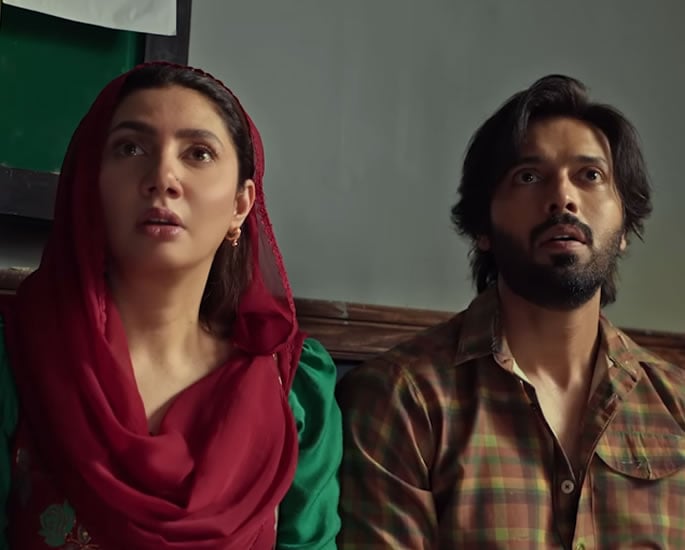
The upcoming Eid al-Fitr lineup illustrates the industry’s desperate need to secure the “prime” holiday slot, regardless of the competition.
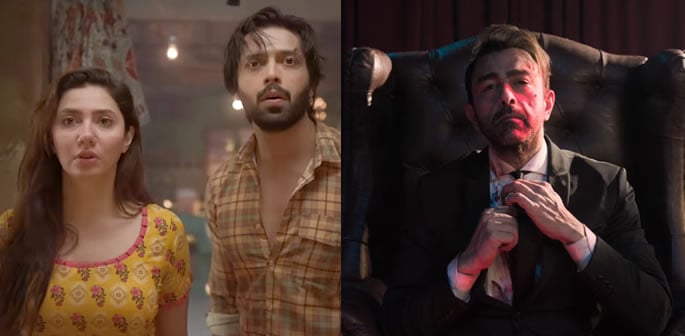
Leading the pack is Aag Lage Basti Mein (ALBM), a high-octane crime drama featuring the bankable duo of Fahad Mustafa and Mahira Khan.
Produced by ARY Films, ALBM has broken traditional marketing molds by launching its campaign nearly 45 days in advance, a strategy designed to build the kind of “event” status usually reserved for global blockbusters.
This caper film, which explores the desperation of those robbing the elite to escape to Dubai, is projected to gross at least Rs. 50 Crore. Its success would reinforce the narrative that heavy marketing and star power are the only ways to survive an Eid clash.
However, the saturation of the market remains a critical issue.
Joining ALBM is Bullah, a Shaan Shahid film that attempts to bridge the gap between “Old Lollywood” and modern aesthetics by infusing the traditional gandasa culture with the sleek, hyper-violent style of John Wick and Animal.
Alongside it sits Delhi Gate, a romantic actioner that has become a symbol of the industry’s post-pandemic backlog.
The danger of this bottleneck is evident from historical data; during the previous Eid al-Fitr, a staggering 16 films were released across 96 screens.
This overcrowding inevitably leads to smaller films being cannibalised by “heavy hitters”, resulting in empty wallets for producers and missed opportunities for cinema owners who are forced to pull underperforming titles by the third day of the holiday.
What is the Big Hurdle for Filmmakers?

A significant hurdle for Pakistani filmmakers is the disproportionate investment in promotion.
Globally, marketing budgets often equal or double the production costs, yet in Pakistan, this spend typically stagnates between 10 and 30 per cent.
Many producers operate under the deluded belief that social media “shout-outs” from bloggers are enough to drive ticket sales.
This lack of professional, multi-channel marketing often means that films rely solely on the holiday “walk-in” crowd rather than sustained interest.
When films fail to perform, producers frequently blame international competition rather than their own lack of outreach.
Things got heated in 2022 during the Dr Strange in the Multiverse of Madness controversy, where local filmmakers protested the dominance of Marvel at the box office.
While distributors of Pakistani films argue that local content should be given exclusive priority during Eid, this protectionist stance is often viewed as self-serving.
Foreign titles, including Hollywood blockbusters and Indo-Punjabi hits like Carry On Jatta 3, are the actual lifeblood of Pakistani cinemas for the other 50 weeks of the year.
For example, Sardaar Ji 3, starring Diljit Dosanjh and Pakistani actress Hania Aamir, grossed over Rs. 60 Crore domestically, proving that high-quality, relatable content can thrive without the crutch of a religious holiday if the marketing and star power align.
The Reality of Audience Appetite
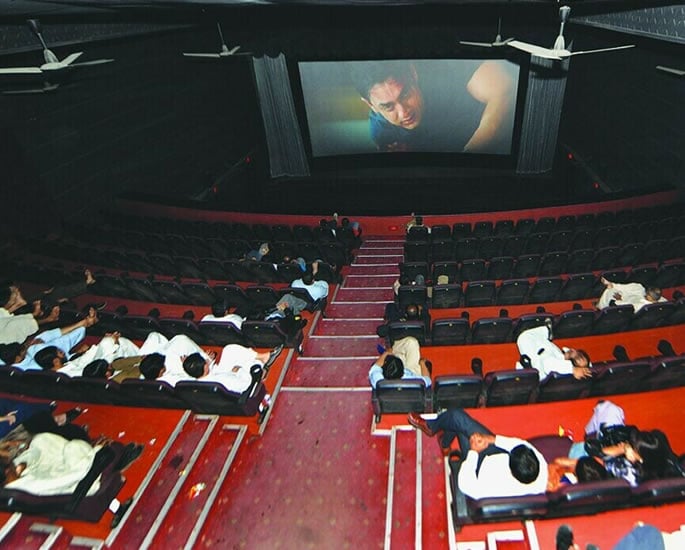
The prevailing myth that Pakistani audiences only visit cinemas during Eid is debunked by the massive success of non-holiday releases.
The Legend of Maula Jatt, which became the highest-grossing Pakistani film of all time, was notably released in October, proving that a high-quality product can create its own “event” window.
Similarly, Ali Zafar’s Teefa in Trouble found immense success with a July release.
These examples suggest that the audience is not avoiding cinemas during “off-peak” months; rather, they are avoiding the low-quality, under-promoted films that are often dumped during those times.
The current statistics for the industry are sobering.
While the global film success rate hovers around 10%, Pakistan’s strike rate mirrored India’s at roughly two per cent in 2025.
With only 14 titles released in a year, two hits feel catastrophic rather than a standard fluctuation.
Interestingly, the data shows a clear preference for Eid al-Adha over Eid al-Fitr, likely because the former allows for better marketing campaigns post-Ramadan.
Last year’s Love Guru grossed over Rs. 60 Crore, with three-quarters of its business coming from local screens.
This highlights that while the holiday window is lucrative, it is also becoming a trap that prevents the industry from developing a consistent, sustainable release cycle.
Shifting the Narrative

The survival of the Pakistani film industry depends on its ability to move beyond seasonal desperation.
The current reliance on Eid has created a culture of “safe bets” and unoriginal formulas, as filmmakers are too afraid of financial ruin to experiment during non-holiday periods.
There are, however, glimmers of a shift.
Rumours suggest that Humayun Saeed’s flagship franchise Jawani Phir Nahi Ani 3 may be planned as a non-Eid release, a move that could provide the necessary confidence for other producers to follow suit.
Furthermore, the success of niche content, such as the anime film Demon Slayer, indicates a diverse and eager audience that does not wait for a holiday to visit the cinema.
To truly thrive, the industry must invest in better screen density, professional marketing, and a balanced release calendar.
Until then, the annual tradition of crowding the Eid marquee will continue to be a high-stakes gamble that leaves the industry’s long-term health hanging in the balance, waiting for the sighting of the next crescent moon.