














































She recognised a structural issue within the art market.
The Women In Art Fair is working to change the persistent imbalance in the global art world.
For decades, women artists have produced work equal in quality and cultural relevance to their male counterparts.
Yet their representation in galleries, collections, and major exhibitions remains disproportionately low.
The imbalance is widely recognised but slow to change.
In London, the Women In Art Fair was created to address a simple but persistent question: why are women still underrepresented in commercial galleries and public collections, despite forming a large proportion of working artists?
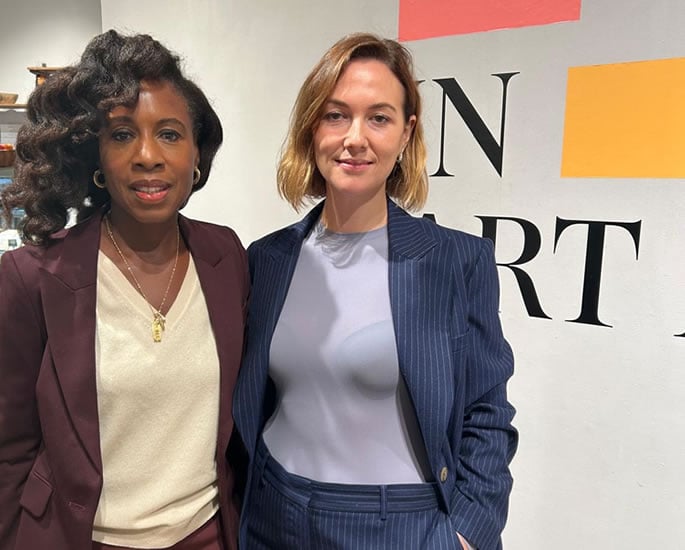
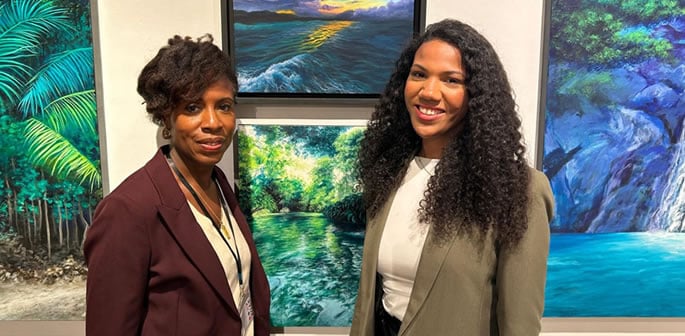
Founder Jacqueline Harvey did not set out to create a separate space for women because she believed women needed special treatment. She recognised a structural issue within the art market.
Many artists are discovered through networks, representation, and collector access.
Those networks have historically been difficult for women, particularly artists from international and diaspora backgrounds, to enter.
The result is not an absence of talent but an absence of exposure.
London’s art market is one of the most international in the world. Artists from the Middle East, South Asia, and across the global diaspora increasingly live and work in the city.
However, breaking into established gallery systems often requires visibility, contacts, and confidence navigating an industry built on relationships as much as artistic ability.
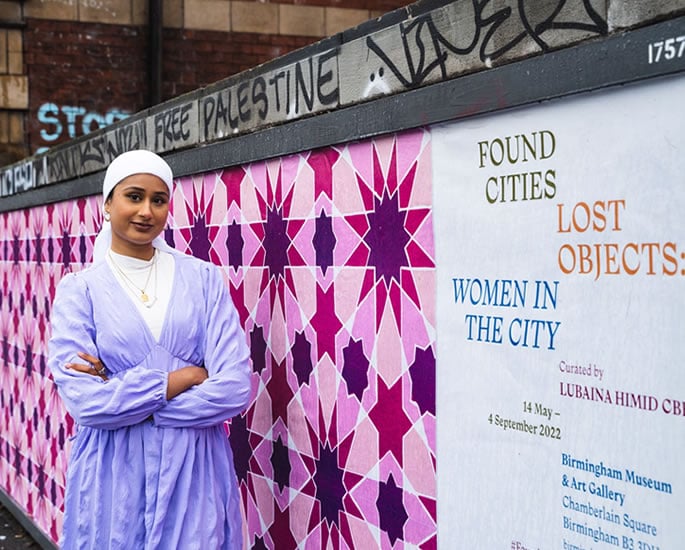
The fair provides a platform where that first barrier is removed. Artists are seen first for their work rather than their connections.
This matters beyond London.
Representation in art influences how societies understand identity, culture, and belonging. When audiences encounter a wider range of voices, they encounter new narratives.
For younger artists especially, seeing people who share their background or experience exhibited publicly makes participation feel possible.
Inequality in art is rarely deliberate. It is often structural and reinforced over time.
Curators select artists they know. Collectors invest in familiar names. Galleries manage financial risk. Without intervention, the cycle repeats.
Events such as the Women In Art Fair interrupt that cycle. They create entry points.
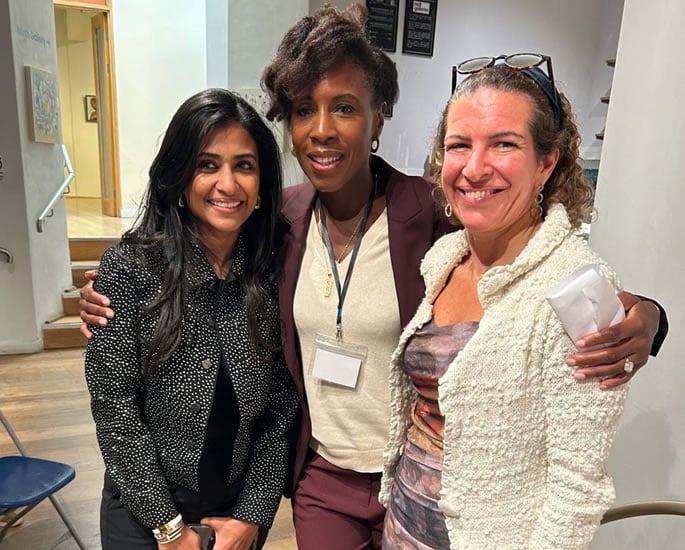
For international audiences, the significance lies not only in who exhibits but in what it signals.
Cultural institutions shape public memory. They determine which stories are preserved and which are overlooked, influencing how future generations understand creativity and contribution.
The conversation around equality in art is therefore not only about artists. It is about access to cultural voice.
As the art world becomes increasingly global, initiatives that widen participation are not niche. They are necessary.
The future of art depends not simply on discovering new talent, but on recognising talent that has always existed but has not always been visible.