

















































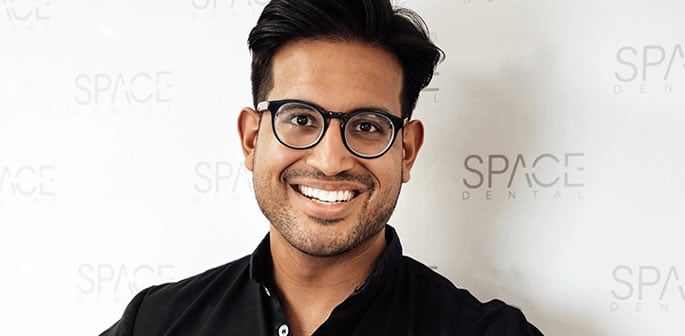
“Social media has played a significant role."
Confidence is increasingly being shaped by appearance, and few features are under more scrutiny than the smile.
On social media, cosmetic transformations are often presented as instant fixes, creating the impression that dental change is quick, simple and universal.
In reality, dentistry is far more measured, built on planning, biology and long-term oral health rather than viral trends.
This gap between perception and clinical reality is something Dr Affan Saghir regularly addresses through his work.
As the founder of SPACE Dental and the winner of a national ‘Young Dentist of the Year Award’, he sits at the centre of a wider conversation about how modern dentistry is being reshaped.
Teeth Whitening
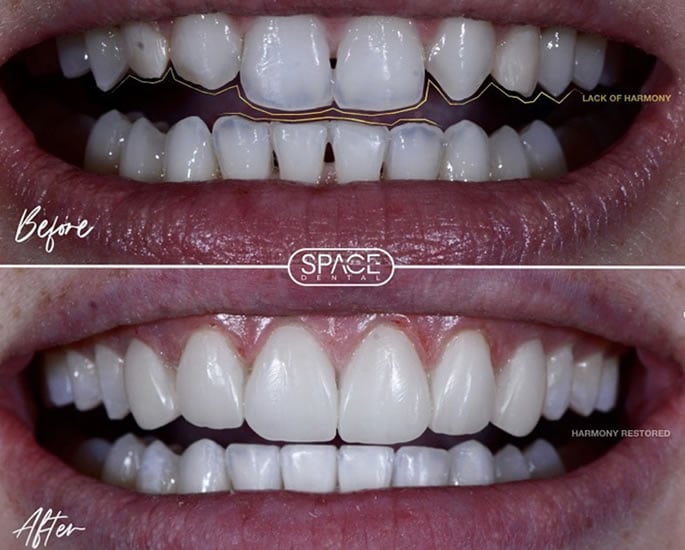
The idea of a “healthy white smile” has shifted.
For years, cosmetic dentistry was driven by ultra-bright, uniform teeth, often labelled the “Hollywood smile”. That look still dominates online, but dentistry is now moving towards a more natural, balanced standard.
Patients are asking more about what looks natural, what protects enamel, and what lasts. A white smile is no longer just about brightness, as Dr Saghir explains:
“There’s been a shift in perception. When people say ‘Hollywood white’, they often imagine extremely bright, uniform smiles.
“If you look at natural, elegant smiles, whether in Hollywood or Bollywood, they tend to be harmonious, not artificially opaque. The goal isn’t just brightness, it is balance, proportion, and health.”
That distinction is important because whiteness does not automatically equal healthy teeth. Bright smiles can still mask gum disease, enamel wear, or bite issues.
Cosmetic dentistry is most effective when it supports long-term oral health rather than concealing problems.
Dr Saghir continues:
“Whitening should always be dentist-led.”
“That means assessing the teeth and gums first, ensuring they are healthy, and using regulated whitening systems with appropriate concentrations.
“A common evidence-based approach is low-concentration peroxide gels used in custom trays over a controlled period. This allows gradual, predictable results with managed sensitivity.”
The slower process may feel less immediate than over-the-counter kits, but it protects enamel, reduces sensitivity, and delivers more predictable results.
The Role of Social Media

Social media has reshaped perceptions of cosmetic dentistry. Perfect before-and-after transformations are often shown as instant and universal, making complex treatment appear quick and effortless.
That creates unrealistic expectations. Dentistry is not a filter, and results are rarely immediate.
Dr Saghir says: “Social media has created the impression that results are instant and universal. Dentistry is individualised and staged.
“For example, if teeth are crowded, aligning them first often produces a far more natural outcome than placing restorations immediately.”
Many patients now request veneers after seeing them online, when alignment or whitening may be the healthier and less invasive option. Treatment planning matters more than trends.
Rather than rushing into cosmetic procedures, Dr Saghir follows a clear clinical sequence:
Align – Brighten – Contour
“We move teeth into the right position if needed, enhance colour, then refine shape in the most minimally invasive way possible.
“It’s about respecting biology while achieving aesthetics.”
This approach protects natural tooth structure. Straightening teeth first can reduce the need for drilling later, producing more natural-looking and longer-lasting results.
‘Turkey Teeth’
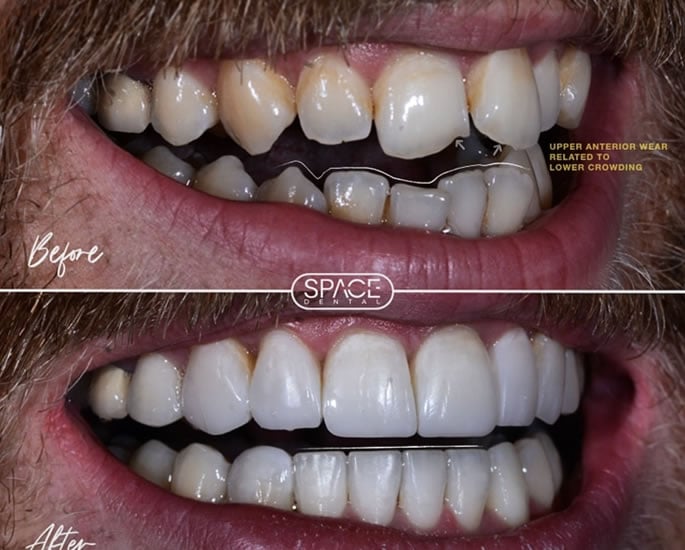
The phrase “Turkey teeth” has become one of the most talked-about terms in cosmetic dentistry.
Dr Saghir says: “It’s a term that’s often used on social media to describe very dramatic smile transformations, usually involving crowns or veneers placed over heavily prepared teeth.
“It’s important to say that this isn’t about a specific country. It’s about a type of treatment approach that prioritises rapid cosmetic change, sometimes at the expense of preserving natural tooth structure.”
The appeal is easy to see.
Fast results, striking before-and-after images, and lower costs make these treatments look like a simple fix, especially when amplified on social media.
“Social media has played a significant role. Patients are exposed to instant ‘before and after’ transformations, which can make it seem like a quick and straightforward solution.
“In reality, dentistry is highly individual, and the most appropriate treatment depends on the condition of each patient’s teeth and gums.
“The key point is that some of these treatments can be irreversible. If a tooth is significantly reduced to place a crown, that tooth will always require ongoing maintenance and future replacement work.”
That long-term commitment is rarely reflected in online marketing.
Crowns and heavily prepared veneers may need replacing over time, while complications such as sensitivity or nerve damage can lead to more complex issues later.
A more conservative approach, using alignment and additive techniques where possible, often achieves strong aesthetic results without compromising healthy tooth structure.
Daily Oral Health Habits
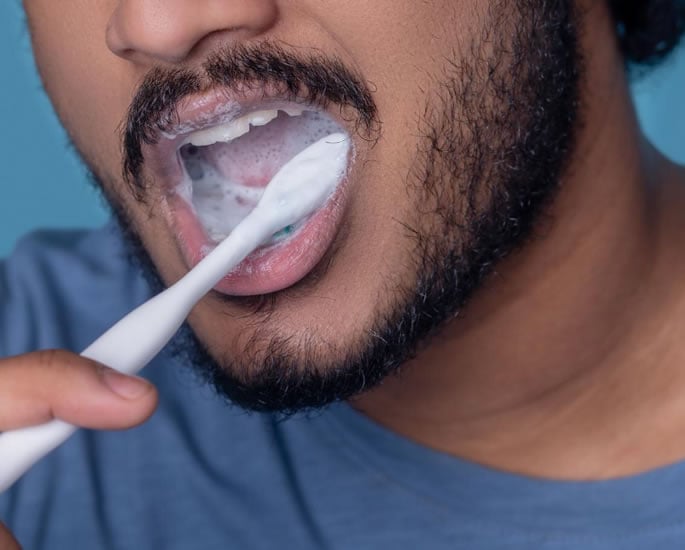
Most dental problems do not start with major neglect. They develop from small daily habits that seem harmless but cause long-term damage.
Brushing too hard, rushing routines, or rinsing immediately after brushing are common examples. Many people assume they are doing everything correctly simply because they brush twice a day.
Dr Saghir identifies three mistakes that appear repeatedly:
- Rinsing after brushing, which removes toothpaste residue completely.
- Brushing with a manual toothbrush too hard, leading to gum recession.
- Inconsistent technique or duration.
His advice remains simple, with consistency doing more work than complexity:
- Use a fluoride toothpaste and spit, don’t rinse.
- Consider an electric toothbrush to help regulate pressure.
- Clean between teeth daily with interdental brushes.
- Maintain consistency. Small habits, done well, have the greatest impact over time.”
Good oral health is built on routine, not expensive treatment.
Diet & Cultural Context

Diet affects oral health in ways many people underestimate. Often, the issue is not what people consume, but how often they consume it.
In many South Asian households, sugary chai is part of daily life, tied to routine, hospitality, and comfort, but repeated sugar exposure increases risks for enamel.
Dr Saghir explains: “Chai itself isn’t the issue; it’s the frequency of sugar exposure. Sipping sugary drinks throughout the day creates repeated sugar attacks on enamel, increasing the risk of decay.”
Dr Saghir advises moderation rather than elimination:
“Enjoy these drinks with meals rather than continuously. It’s not just what you consume, but how often.”
Patients also often confuse staining with decay, particularly with tea, coffee, and spice-heavy diets, as Dr Saghir says:
“Staining is largely cosmetic and external. Decay is a biological disease process affecting the structure of the tooth. They are often confused, but they require very different approaches.”
Whitening cannot treat decay, and visible stains do not always indicate disease. Understanding the difference helps patients make more informed choices.
He also highlights habits that often go overlooked:
“Products like tobacco paan or smokeless tobacco can contribute to gum disease, staining, and increased oral cancer risk. Awareness is key.”
The Issue with Misinformation

TikTok hacks and influencer advice have made DIY dentistry feel increasingly normal. From unsupervised aligners to home whitening remedies, patients are attempting treatments without professional guidance.
The issue is that teeth are not something people can safely experiment with.
Dr Saghir explains: “I’m seeing increasing use of unsupervised aligners and home remedies. Tooth movement is a biological process that requires planning and monitoring.
“Without this, there is risk to both teeth and supporting structures.”
Teeth move through bone and gum tissue. Poorly planned movement can lead to bite problems, gum recession, and long-term damage that is far harder to correct than the original concern.
Whitening trends using charcoal, lemon, or abrasive products create similar risks, often stripping enamel rather than improving oral health.
Dr Saghir keeps his advice direct: “If it involves changing the position, structure, or chemistry of your teeth, it should involve a qualified dental professional.
“As the co-founder of STRAIGHTS clear aligners, this is integral to our philosophy.”
Convenience should not replace supervision when the consequences can be permanent.
Delayed Check-Ups
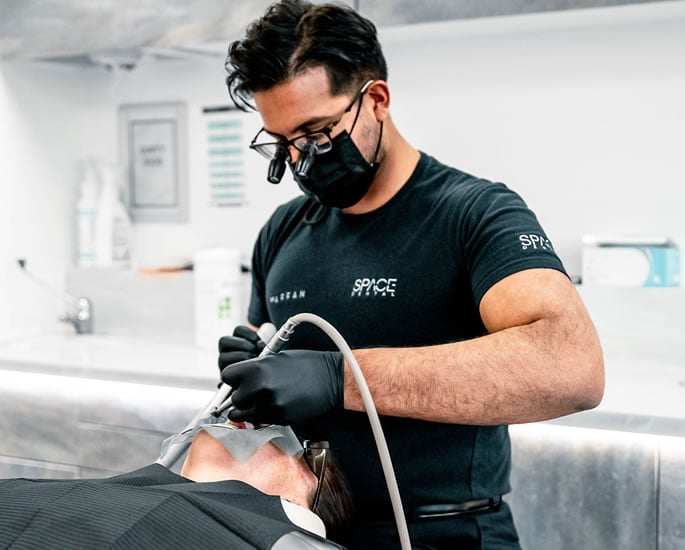
Avoiding the dentist remains common, even among people who know they should book an appointment. Fear, cost, and uncertainty still shape that decision.
For some, it stems from past negative experiences. For others, it is the belief that if nothing hurts, nothing is wrong.
Dr Saghir says: “Historically, fear, cost, and uncertainty have been barriers.
“However, with better education and communication, more patients are becoming proactive.”
The challenge is that many dental conditions are painless in their early stages. Small cavities, enamel wear, and gum inflammation often develop without obvious symptoms.
By the time pain appears, treatment is typically more invasive and costly.
“Early issues like enamel decay or mild gum inflammation are highly manageable. Left untreated, they progress into more complex conditions requiring more invasive care. Prevention is always simpler than cure.”
Routine check-ups are therefore less about addressing visible problems and more about identifying hidden issues before they escalate.
Gum Health
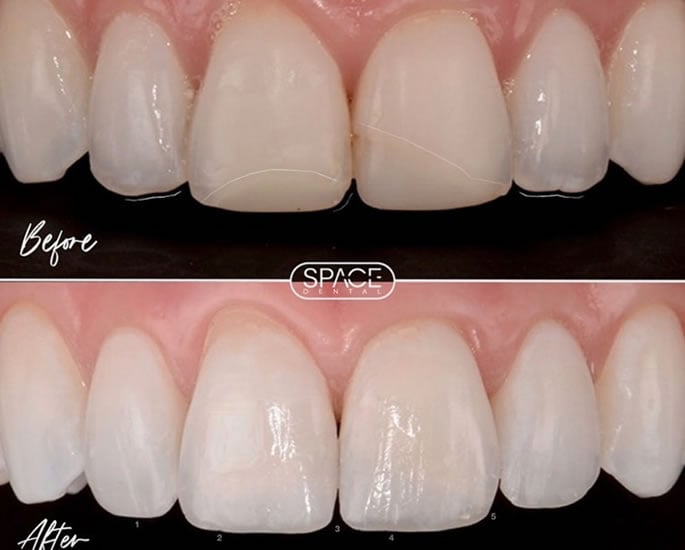
Straight teeth and white teeth often get the attention, but healthy gums are what make a smile sustainable.
Gum disease remains one of the most overlooked areas of oral health because early symptoms are often missed or ignored.
Bleeding gums are a common example, as Dr Saghir says:
“Bleeding gums are typically a sign of inflammation or gum disease and should be assessed.”
Many people assume bleeding is caused by brushing too hard. In reality, it is often driven by inflammation from plaque and bacteria around the gum line.
If ignored, it can progress into periodontal disease, affecting bone support and tooth stability.
Dr Saghir views gum health as the foundation of overall oral health:
“Healthy teeth rely on healthy supporting structures. A smile isn’t just about the teeth, it’s about the entire oral environment.”
That definition shifts how patients should understand a healthy smile:
- Healthy gums
- Absence of disease
- Functional comfort
- Confidence in smiling
Aesthetic results shape appearance, but gum health determines how long those results last.
Confidence and Cultural Pressures
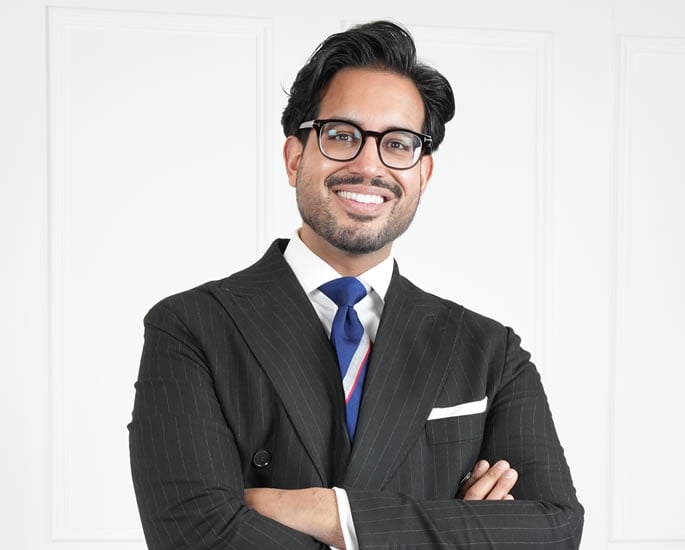
Cosmetic dentistry is often driven by life events rather than daily routine. Weddings, milestone celebrations, and major career moments can heighten awareness of appearance and smile confidence.
For many British South Asians, weddings carry particular pressure. Photos, family expectations, and cultural significance often make appearance feel closely tied to confidence, as Dr Saghir adds:
“These are once-in-a-lifetime moments, and patients want to feel confident.”
That urgency can lead to rushed decisions, with patients seeking immediate results even when the safest and most natural outcomes require time.
Dr Saghir encourages earlier planning: “The best results come from thoughtful, staged treatment.”
This allows time for alignment, whitening, and minimally invasive improvements, rather than fast, irreversible procedures.
He is also clear that cosmetic treatment should never come before oral health.
“Yes. If the teeth or gums are not healthy, treatment is postponed. Health must come first.
“Patients value honesty. When you prioritise their long-term wellbeing, it builds trust.”
Even when aesthetics matter, preservation remains the priority.
“It’s about finding the balance between confidence and preservation. The aim should always be the least invasive path to the desired outcome.”
NHS vs Private Dentistry

Few areas of dentistry create more confusion than the difference between NHS and private care. Patients often compare them as though one is better, when in reality, both serve different purposes.
Dr Saghir says expectations are often the key issue:
“Often, it’s about expectations. NHS care is designed to provide essential, clinically necessary treatment, within a structured system.”
That means NHS dentistry prioritises pain relief, function, and core oral health, rather than elective cosmetic procedures. Treatments like whitening, veneers, and smile makeovers usually sit outside that framework.
Patients often turn to private care for more flexibility.
“Typically for greater flexibility, time, and access to a wider range of elective or aesthetic options.”
Private care can offer longer appointments, more detailed planning, and access to treatments that may not be clinically necessary but can improve confidence.
Still, he avoids framing it as a direct comparison.
“Both systems play an important role. It’s less about comparison and more about understanding what each pathway is designed to deliver.”
Cosmetic dentistry is increasingly influenced by lifestyle moments, digital trends and cultural expectations, but the underlying principles remain rooted in health and preservation.
Across whitening, aligners, veneers and everyday habits, the evidence points to the same reality: short-term fixes often overlook long-term consequences.
What appears effortless online is, in practice, the result of careful assessment, staged treatment and clinical restraint.
Dr Saghir’s approach reflects this balance, where education and prevention sit alongside aesthetics rather than being secondary to them.
Ultimately, the modern smile is not defined by speed or uniformity, but by decisions that protect oral health while supporting lasting confidence.