
















































one nurse was filmed retrieving a used syringe
The anguish of a child writhing in pain, succumbing to HIV is a nightmare. No parent should ever endure it after routine medical treatment.
Yet in Taunsa, Pakistan, this horrifying reality has become shockingly common. It raises a critical question about how hundreds of children are contracting HIV in hospitals entrusted with their care.
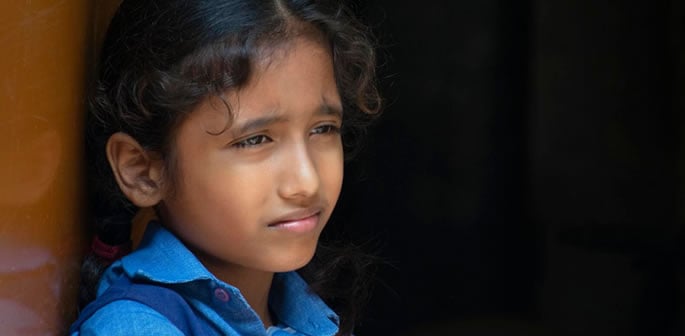
The tragic death of eight-year-old Mohammed Amin is a stark testament to a profound betrayal of trust. He suffered “like he’d been thrown in hot oil” before passing away from HIV.
Both Amin and his 10-year-old sister Asma were diagnosed with the virus. Their family believes it stemmed from contaminated needles at a government hospital.
A BBC Eye investigation reveals that despite official promises of crackdowns and safer practices, dangerous and unsanitary injection methods persisted for months.
This has created a hidden epidemic that has identified 331 HIV-positive children in Taunsa alone.
This extensive inquiry reveals a systemic failure, where neglect and medical malpractice are silently claiming young lives.
The Taunsa Tragedy
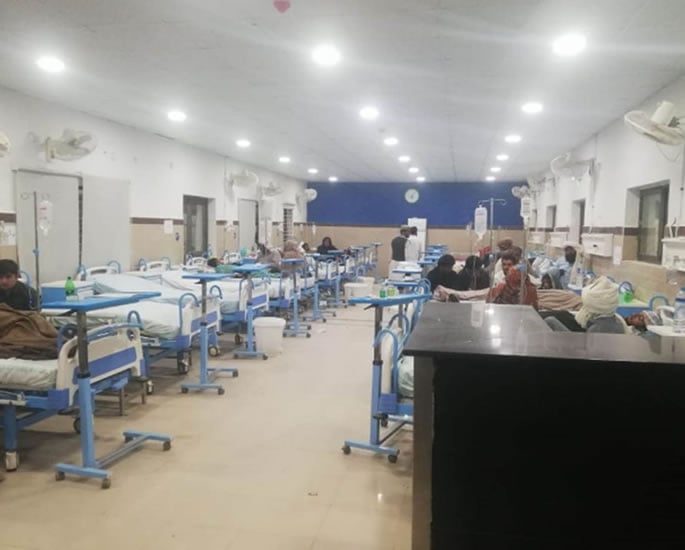
Taunsa has become the epicentre of a silent crisis.
Between November 2024 and October 2025, the investigation identified 331 children who tested positive for HIV.
Dr Gul Qaisrani, a local private clinic doctor, first raised the alarm in late 2024, noting a disturbing rise in HIV-positive children, nearly all of whom had received treatment at THQ Taunsa.
Parents recounted harrowing experiences: one mother witnessed her daughter injected with the same syringe used on an HIV-positive cousin and then on other children.
Another father challenged the reuse of a syringe at THQ Taunsa, only to be dismissed by nurses.
Official data from the Punjab provincial Aids screening programme lists “contaminated needle” as the transmission mode for over half of these 331 cases.
Furthermore, a sample of 97 HIV-positive children whose families were tested revealed that only four mothers were positive, strongly indicating minimal mother-to-child transmission.
The Punjab government intervened in March 2025, suspending THQ Taunsa’s medical superintendent, Dr Tayyab Farooq Chandio, and promising a “massive crackdown”.
However, Dr Chandio was found working with children again at a rural health centre within three months, stating the hospital was not the outbreak’s cause.
His replacement, Dr Qasim Buzdar, declared HIV prevention his “main focus” and pledged a “zero tolerance” policy for unsafe practices.
Yet, the stark reality highlights a profound failure of oversight and accountability, suggesting these assurances were hollow.
Undercover Revelations
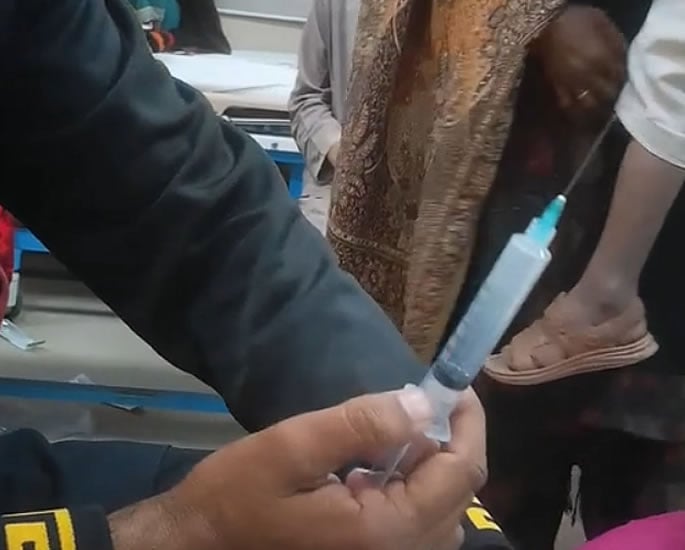
BBC Eye’s undercover footage meticulously documented the ongoing breach of patient trust.
On 10 separate occasions, staff were filmed reusing syringes on multi-dose medicine vials, with contents from the same contaminated vial subsequently administered to different children in four instances.
Dr Altaf Ahmed, a consultant microbiologist and leading infectious disease expert in Pakistan, stated:
“Even if they have attached a new needle, the back part, which we call the syringe body, has the virus in it, so it will transfer even with a new needle.”
Beyond syringe reuse, the investigation revealed pervasive disregard for basic infection control. Staff, including a doctor, injected patients without sterile gloves 66 times.
One nurse was observed rummaging through a medical waste disposal box without sterile gloves, a practice Dr Ahmed condemned: “She is violating every principle of injecting medicine.”
The footage also showed syringes and vials frequently left open alongside discarded needles on countertops that should be sterile.
Alarmingly, one nurse was filmed retrieving a used syringe, still containing liquid from a previous patient, from under a counter, seemingly to be reused on another child.
Most children treated at THQ Taunsa received injections via cannula, which further elevates infection risk by directly entering the bloodstream.
Despite this evidence, Dr Buzdar dismissed the footage as potentially “staged” or filmed prior to his tenure, insisting his hospital was safe.
A statement from the local government claimed “no validated epidemiological evidence” had “conclusively established THQ as a source” of the outbreak.
This assertion, however, directly contradicted a leaked April 2025 inspection report by a joint UNICEF, WHO, and regional healthcare department mission, which found “conditions were especially concerning in the paediatric emergency room” and that “unsafe injection practices were common”.
A Culture of Contamination
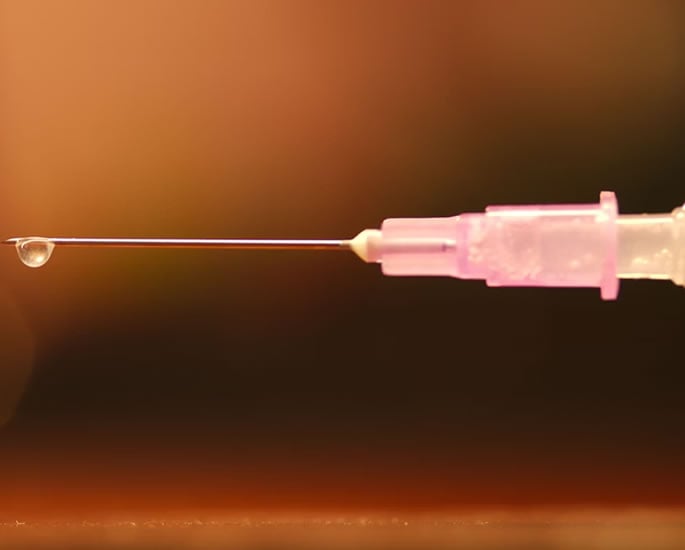
The tragic outbreaks in Taunsa are not isolated incidents of individual negligence, but symptoms of deeply rooted systemic failures within Pakistan’s healthcare system.
A key factor is a widespread, often medically unnecessary cultural preference for injections.
Pakistan records one of the highest rates of therapeutic injections globally, with both public and medical practitioners frequently opting for them, even for mild illnesses.
Dr Fatima Mir, professor of paediatric medicine at Aga Khan University Hospital, advocates a “very high threshold for injection practice,” suggesting they be reserved solely for “life-threatening illnesses”.
Compounding this issue is a shortage of medicines and supplies in hospitals. Resources are allocated through quota systems, pressuring staff to stretch supplies.
Undercover filming found wards lacked essentials; patients brought liquid paracetamol.
These conditions foster unsafe practices, including the reuse of equipment under pressure. They highlight broader weaknesses in infection control training nationwide.
Dr Mir observed the footage highlights urgent need for caution among medical practitioners. She said it reveals a pressing need to “warn our injectors: ‘You have become an active instrument for passing disease’.”
A Recurring Nightmare
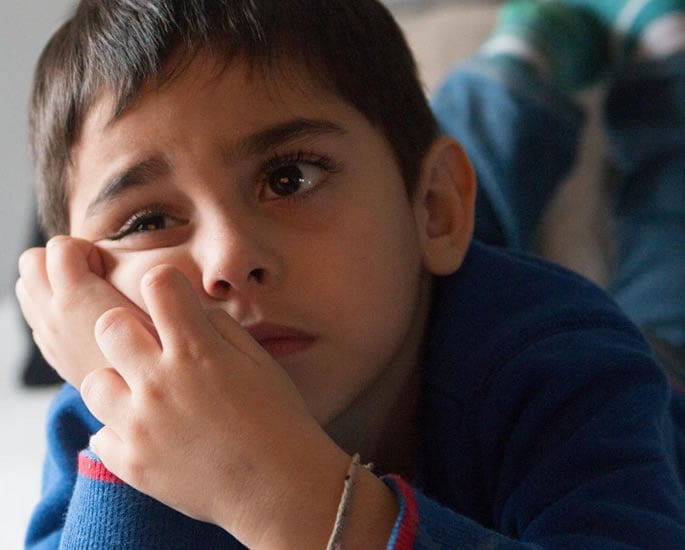
The horrors unfolding in Taunsa are chillingly reminiscent of previous HIV outbreaks across Pakistan.
In 2019, hundreds of children in Ratodero, Sindh province, tested positive for HIV. Most had HIV-negative parents, strongly suggesting medical transmission. By 2021, cases surged to 1,500, with new infections continuing to emerge.
Dr Imran Arbani, a local paediatrician, linked these cases to “repeated clinic visits and multiple injections.”
More recently, during the BBC Eye investigation in Taunsa, a new cluster of 84 cases emerged in Karachi’s SITE Town area. It was linked to Kulsoom Bai Valika Hospital.
Families reported staff reusing the same syringe on multiple children.
The hospital’s medical superintendent, Dr Mumtaz Shaikh, denied such practices. He claimed “qualified doctors will never reuse” syringes and that “we have no concept of such things happening in government hospitals.”
However, the federal health minister publicly confirmed the outbreak was triggered by the reuse of contaminated syringes.
The national government spokesperson said it had “acted promptly within its mandate to investigate concerns [and] implement infection prevention control measures”, with guidelines sent in March 2025.
Yet the recurring scale of these outbreaks paints a more urgent picture. It suggests a system still struggling to protect its most vulnerable.
Asma’s dream of becoming a doctor, while battling a virus contracted within the very system she hopes to join, carries a heartbreaking irony. It also stands as a powerful indictment of Pakistan’s healthcare failures.
Her struggle, alongside that of Mohammed Amin and hundreds of other children in Taunsa and beyond, is a stark reminder that a nation’s future depends on the well-being of its youngest citizens.
The BBC Eye investigation reveals not isolated incidents of negligence, but a deeply ingrained culture of unsafe practices. These are exacerbated by systemic pressures and a lack of accountability.
Until Pakistan confronts this reality, moving beyond denials and token gestures towards rigorous, transparent and humane healthcare reform, more children will remain vulnerable.
The tragedy is that institutions meant to heal are, in too many cases, enabling disease. It leaves a legacy of preventable suffering and a pressing national question: when will the healing truly begin?