












































However, those hopes ended in Johannesburg
Not every South Asian cricket legend has lifted the ICC Men’s Cricket World Cup.
Despite building remarkable careers filled with records, match-winning performances, and lasting influence, several icons ended their ODI careers without winning cricket’s biggest 50-over prize.
For many players, a World Cup title is seen as the ultimate measure of success. However, cricket has never been a sport where one exceptional individual can guarantee victory.
Team balance, injuries, form, and crucial moments of fortune often determine who reaches the final stage.
This reality has shaped the careers of several South Asian cricket legends. Some came within touching distance of glory, while others saw their World Cup dreams affected by circumstances beyond their control.
Although they never lifted the trophy, these players left an undeniable mark on the sport.
Their leadership, performances, and influence transformed cricket, proving that true greatness is not defined solely by a World Cup winner’s medal.
Sourav Ganguly
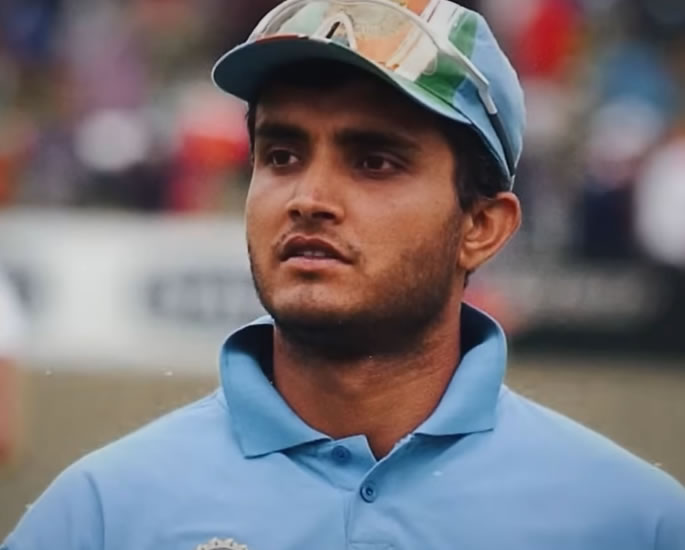
Sourav Ganguly did more than score runs for India. As captain, he transformed the team’s mentality at a time when overseas success often felt beyond reach.
Under his leadership, India developed the belief needed to challenge the world’s strongest sides. That confidence was evident during the 2003 ICC Men’s Cricket World Cup, where Ganguly led the team to the final.
Ganguly produced one of the finest tournaments of his career, scoring 465 runs, including three centuries.
India recorded memorable victories over Pakistan, England, and New Zealand, raising hopes of securing their first World Cup title since 1983.
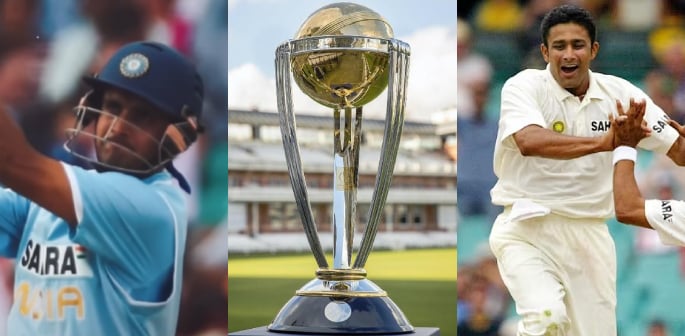
However, those hopes ended in Johannesburg when Australia delivered a dominant performance in the final, leaving India as runners-up.
The match also remains one of the most debated moments of Ganguly’s captaincy after India chose to bowl first upon winning the toss.
Reflecting on the decision years later, he remained firm in his belief that sporting choices must be made in the moment, saying:
“Everything is an afterthought in sports, and afterthought has no place because you have to take decisions in the moment. There is no retake.”
Rather than allowing the defeat to define him, Ganguly accepted the disappointment and moved forward. That resilience became one of the qualities that shaped his leadership and legacy throughout his career.
Rahul Dravid
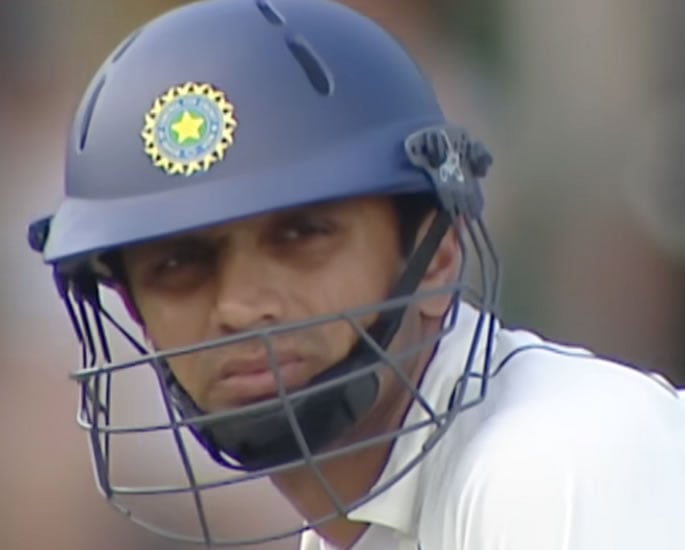
Rahul Dravid was the calm presence at the heart of India’s batting.
Nicknamed “The Wall”, he became the dependable figure around whom India’s batting revolved, combining patience, technique, and remarkable consistency during an era of immense pressure.
Dravid played a pivotal role in India’s journey to the 2003 ICC Men’s Cricket World Cup final.
He often anchored the innings between an explosive top order and an inexperienced lower middle order, providing stability when the team needed it most.
Despite finishing his ODI career with more than 10,000 runs, the elusive World Cup title remained beyond his reach. India’s disappointing first-round exit at the 2007 World Cup also brought an early end to his own tournament ambitions as a player.
Although Rahul Dravid never lifted a World Cup during his playing career, he eventually celebrated an ICC trophy as India’s head coach after guiding the team to victory at the 2024 T20 World Cup.
Reflecting on his playing days after the triumph, he remained as humble as ever.
Dravid said: “As a player, I was not lucky enough to win a trophy, but I tried my best; I gave my best whenever I played, and it wasn’t to be, and that happens; it’s part of sport.”
His words reflected the humility and grace that made him one of cricket’s most respected figures.
Rahul Dravid’s legacy was built not only on trophies, but also on consistency, character, and his contribution to Indian cricket.
Anil Kumble
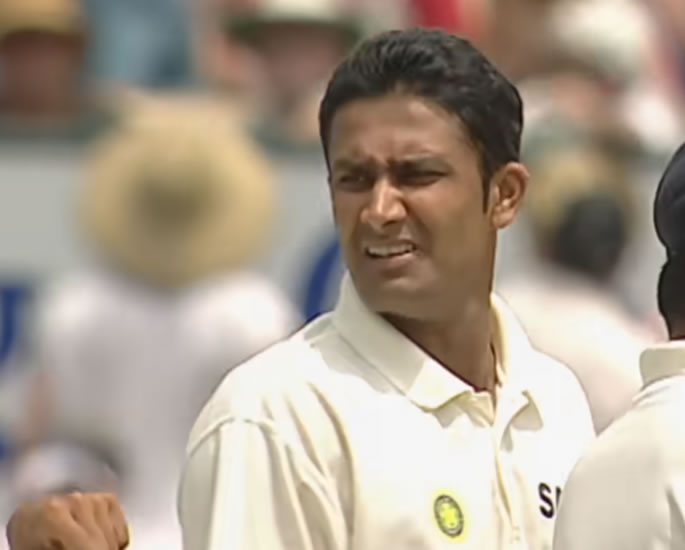
India’s batting often commanded the spotlight, but its bowling attack also had a match-winner of equal importance.
Anil Kumble built his reputation on resilience rather than flair, becoming one of India’s most dependable performers across nearly two decades.
India’s greatest leg-spinner consistently delivered under pressure, producing match-winning performances across formats.
Yet despite featuring in four ICC Men’s Cricket World Cups, the elusive World Cup title remained beyond his reach.
His closest opportunity came during India’s memorable run to the 2003 World Cup final.
However, in a surprising selection decision, Kumble was left out of the title decider against Australia, with team management choosing Harbhajan Singh instead.
As Australia celebrated victory in Johannesburg, the decision immediately faced scrutiny and remains one of the most debated selection calls in India’s World Cup history.
Although Kumble finished his international career with more than 950 wickets across formats and countless unforgettable performances, a World Cup winner’s medal was never part of his achievements.
His legacy was built on remarkable consistency, resilience, and an enduring impact on Indian cricket that extended far beyond the absence of a World Cup title.
Kumar Sangakkara
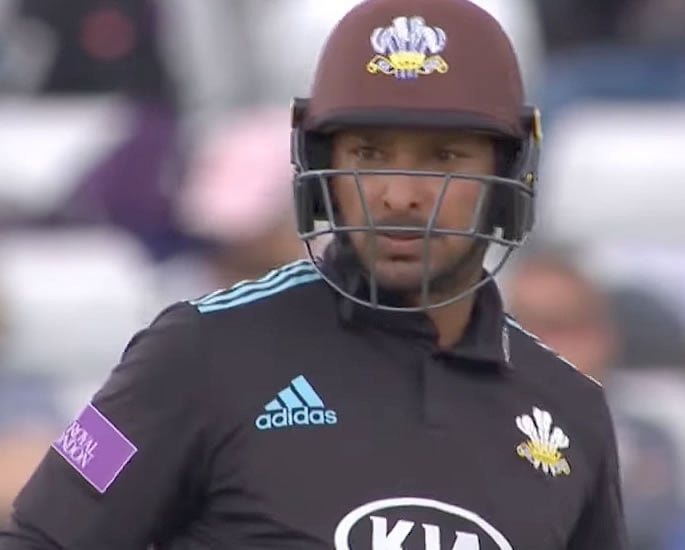
Sri Lanka also produced cricketing icons whose extraordinary careers ended without winning the game’s biggest prize.
Kumar Sangakkara made batting appear effortless, combining elegance, intelligence, and remarkable consistency to become one of Sri Lanka’s greatest cricketers.
Whether behind the stumps as a wicketkeeper or at the crease as a batter, Sangakkara played a central role in Sri Lanka’s success during a golden era.
But despite reaching the ICC Men’s Cricket World Cup final in both 2007 and 2011, his career ended without lifting the trophy.
Sangakkara’s determination never faded. During the 2015 tournament, he became the first batter to score four consecutive centuries in a Men’s ODI World Cup, a remarkable achievement that highlighted his class during the final stages of his international career.
Yet the trophy that had narrowly escaped him twice remained beyond his grasp.
Years after Sri Lanka’s defeat in the 2011 World Cup final, Sangakkara reflected on the heartbreaking evening during a conversation with India’s Ravichandran Ashwin on his Reminisce with Ash series.
Looking back at the emotions he carried after the match, Sangakkara admitted:
“The smile hides a huge amount of sadness, of disappointment… thinking of 20 million people back in Sri Lanka who had been waiting for this for so long, since 1996.”
His words revealed the emotional weight carried by a captain who came within touching distance of cricket’s biggest prize twice, only to fall short.
Despite missing out on a World Cup winner’s medal, Sangakkara’s influence and achievements cemented his place among Sri Lanka’s all-time greats.
Mahela Jayawardene
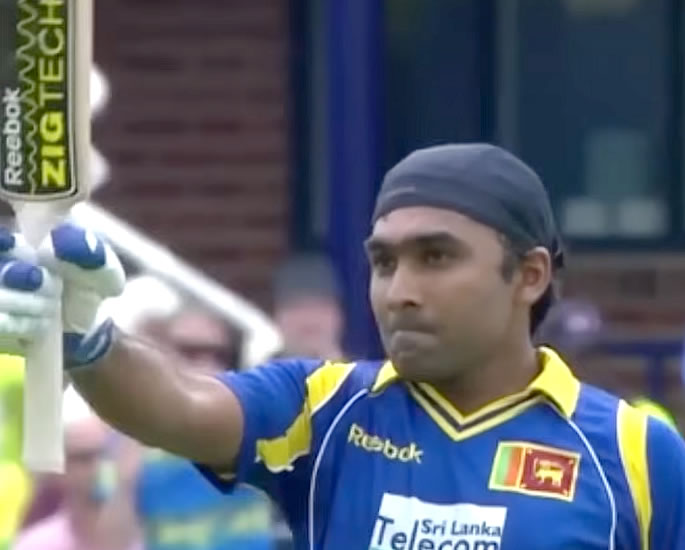
Mahela Jayawardene had a habit of delivering when Sri Lanka needed him most.
Calm under pressure and renowned for his elegant stroke play, he became one of the country’s greatest batters and produced one of the finest innings ever seen in an ICC Men’s Cricket World Cup final.
In the 2011 final against India in Mumbai, Jayawardene scored an unbeaten 103 to give Sri Lanka hope of reclaiming the trophy they had last won in 1996.
His century helped his side post a competitive total of 274, putting them within reach of another historic World Cup triumph.
However, India, inspired by Gautam Gambhir and MS Dhoni, successfully chased the target to deny Sri Lanka another World Cup title.
Jayawardene’s remarkable innings became one of cricket’s greatest World Cup final performances to come in a losing cause.
After the match, he admitted:
“I would swap that century any day for a championship medal.”
His response reflected the mentality shared by many sporting greats.
Personal achievements could not replace the significance of a World Cup winner’s medal, which remained just beyond his reach despite one of the greatest performances of his career.
Waqar Younis
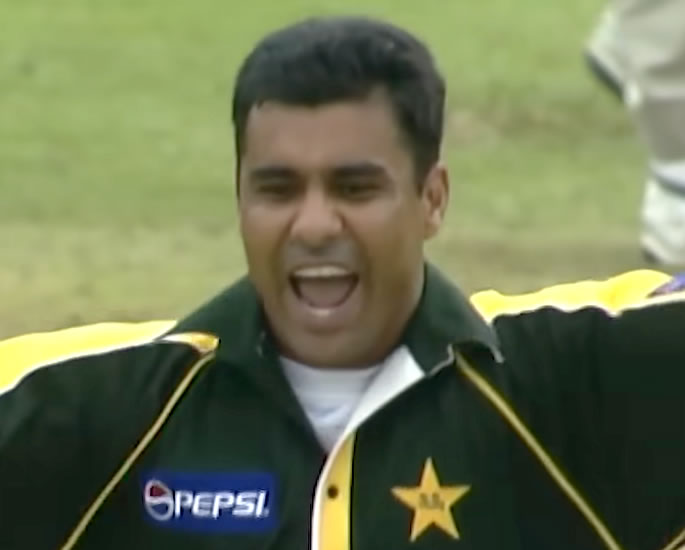
For more than a decade, Waqar Younis was one of the most feared fast bowlers in world cricket.
His devastating reverse swing and pinpoint yorkers made him a nightmare for batters around the globe, establishing him as one of Pakistan’s greatest pace bowlers.
Yet despite his legendary career, Waqar Younis never lifted the ICC Men’s Cricket World Cup.
Fate dealt him a cruel blow before the 1992 tournament had even begun, when a stress fracture ruled him out of Pakistan’s historic campaign.
Forced to watch from the sidelines, Waqar saw Pakistan lift its first World Cup title under Imran Khan.
Although he later returned to represent his country in three World Cups, including the 1999 final, the winner’s medal always remained beyond his reach.
Reflecting on the heartbreak years later during an appearance on the Cricket Badger Podcast, Waqar admitted:
“Pakistan still won the World Cup, but missing out on that glory was probably a not-so-happy moment for me.”
His words captured the cruel irony of his career. One of Pakistan’s greatest fast bowlers witnessed his country become world champions but never had the opportunity to experience that triumph as part of the winning team on the field.
Winning the ICC Men’s Cricket World Cup remains the ultimate achievement in ODI cricket, but these South Asian legends showed that greatness extends far beyond a winner’s medal.
Sourav Ganguly, Rahul Dravid, Anil Kumble, Kumar Sangakkara, Mahela Jayawardene and Waqar Younis all experienced the disappointment of falling short, despite producing extraordinary performances, leading their teams, and shaping cricket history.
Their careers prove that a World Cup title is only one part of a player’s legacy.
Records, resilience, leadership, and the ability to inspire generations are equally important measures of greatness in the game.