
















































“I’m doing the film”
Bollywood’s king of romance, Shah Rukh Khan, turned 61. But real fans know that he’s more than a romantic heartthrob.
Across his career, he has played men whose charm conceals cruelty, admirers who turn affection into possession, and ordinary people forced to confront uncomfortable truths.
As he celebrated his 61st birthday on November 2, 2026, it’s time we look back and revisit his work.
Behind the familiar image of outstretched arms is an actor repeatedly willing to make audiences uneasy.
Some films challenge the expectation that a leading man should be admirable.
Others ask a major star to surrender glamour or examine the relationship that sustains his fame.
Taken together, they show how much of Shah Rukh’s appeal rests on his ability to complicate it and choose roles that challenged his perception in Bollywood.
Baazigar
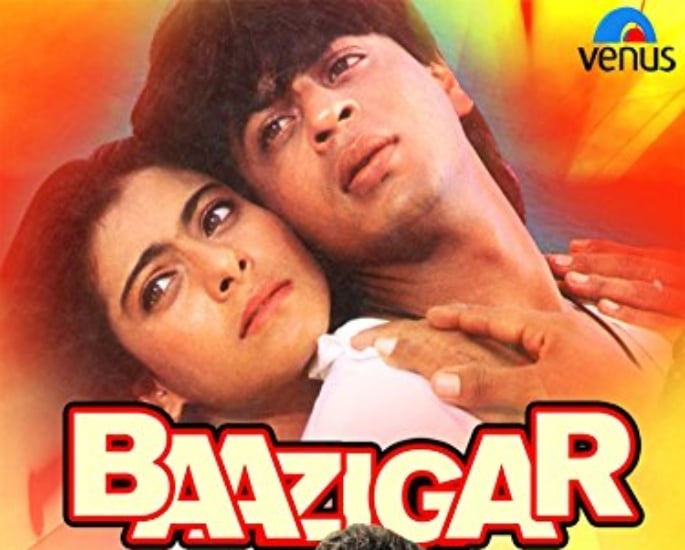
In Abbas-Mustan’s Baazigar (1993), Shah Rukh plays a young man whose pursuit of revenge involves deception and murder.
The character’s family history gives his anger an emotional foundation, but his actions make uncomplicated sympathy impossible.
The audience must hold two ideas together: he has suffered injustice, and he inflicts it on others.
That tension gives the performance its power. Shah Rukh’s warmth draws viewers towards someone whose behaviour should push them away. His charm becomes part of the danger.
For an actor still establishing himself in Hindi cinema, it was a striking choice. The role demanded that he become memorable through moral uncertainty.
In a 2022 interview with Rediff, Abbas-Mustan recalled his enthusiasm during their narration. Rather than delaying his decision, he accepted immediately and began demonstrating how he would perform particular scenes.
Abbas remembered his response: “I’m doing the film.”
Baazigar subsequently earned Shah Rukh his first Filmfare Best Actor award.
Its significance extends beyond that recognition. The performance showed that a leading actor could challenge the ‘good guy’ protagonist norm and leave viewers troubled by the person at the centre of the story.
Darr
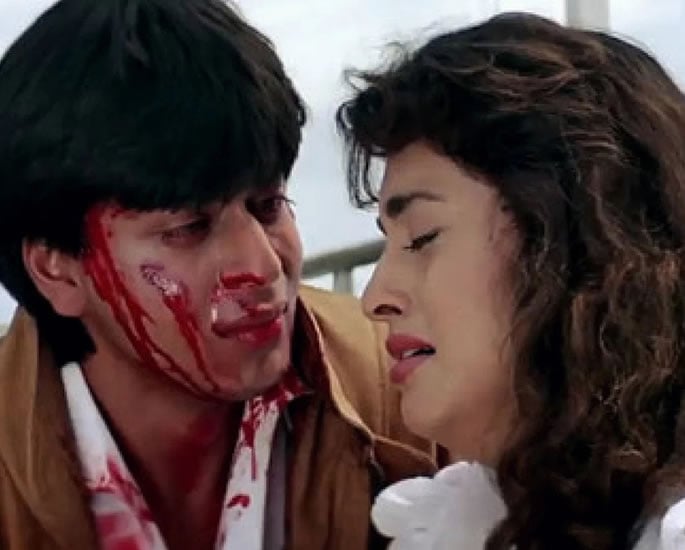
Released in the same year, Yash Chopra’s Darr placed Shah Rukh in another disturbing role.
He plays Rahul, whose fixation on Kiran (Juhi Chawla) threatens her relationship with Sunil (Sunny Deol). The film’s central conflict distinguishes Sunil’s love from Rahul’s obsession.
Rahul’s intensity makes him an arresting character, but his conviction does not make his behaviour loving.
Shah Rukh makes Rahul’s emotional world compelling while allowing that world to become frightening.
Need, resentment and entitlement occupy the space where a conventional romance might place longing.
Viewed alongside Baazigar, Darr establishes an early pattern in his work: emotional expressiveness can create menace as readily as attraction.
Both roles depend on the audience watching closely, even when the character gives them reasons to recoil.
That ability would remain useful throughout his career. The same intensity associated with his romantic image could also expose the destructive possibilities of desire.
Swades
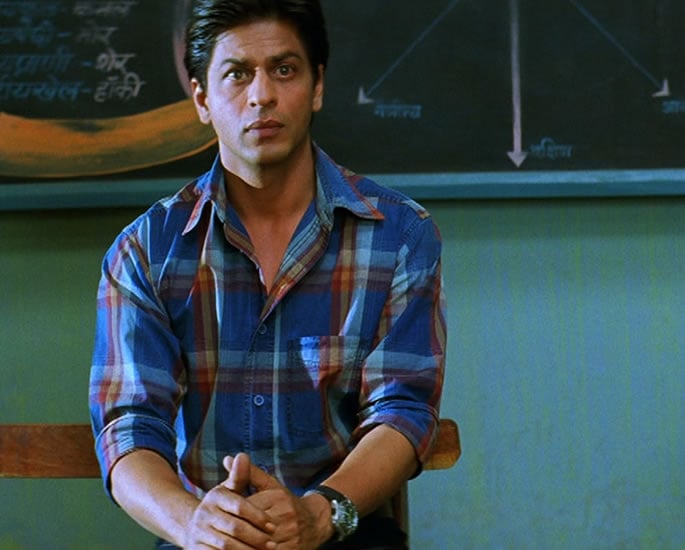
With Ashutosh Gowariker’s Swades (2004), the challenge changes.
Shah Rukh plays Mohan Bhargava, a NASA project manager who returns to India to find Kaveriamma, the woman who helped raise him.
His visit brings him into contact with village life and questions about belonging, privilege and responsibility.
Mohan is neither a threatening obsessive nor a glamorous fantasy figure. His journey depends on learning to see beyond his own assumptions.
The performance therefore requires a different kind of restraint. Shah Rukh gives the character room to observe, hesitate and reconsider.
Mohan’s professional success cannot resolve every problem he encounters. Poverty, caste discrimination and unequal access to education and electricity demand more than confidence or good intentions.
The daring choice here is to make the hero’s education central to the drama. He must recognise the limits of his perspective before he can contribute meaningfully.
For audiences familiar with Shah Rukh’s larger romantic gestures, this offers another source of emotional connection: the gradual movement from distance to involvement.
Contemporary responses also show why the performance deserves consideration separately from the film’s reception.
In her original Rediff review, Sita Menon criticised several aspects of Swades while identifying Shah Rukh’s portrayal as one of its principal strengths.
His work gives Mohan’s changing sense of responsibility a personal weight.
Chak De! India
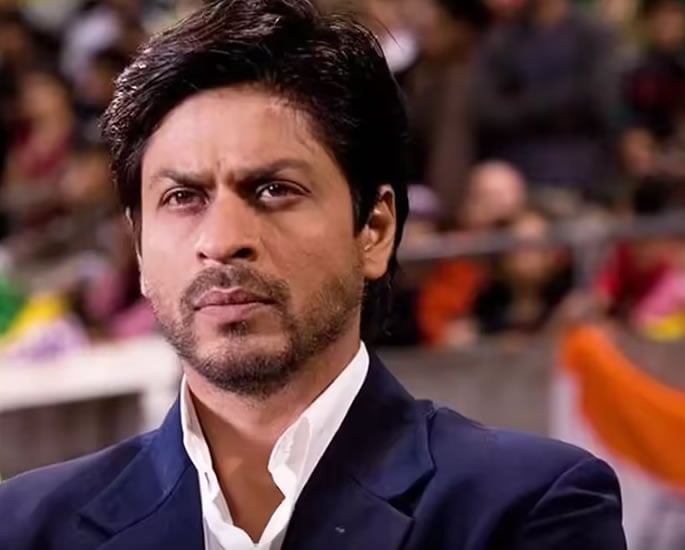
In Shimit Amin’s Chak De! India (2007), Shah Rukh plays Kabir Khan, a former Indian hockey captain who becomes coach of the national women’s team.
His task involves bringing together players with competing ambitions and different backgrounds, while confronting the weight of his own past.
The role offers another departure from his romantic image. Kabir’s authority comes through discipline, watchfulness and an often uncompromising manner.
Shah Rukh allows him to be demanding and difficult. Winning the players’ confidence requires more than an inspirational speech; it depends on building a team capable of acting together.
The casting also creates an interesting balance. A major male star anchors a story in which the women must become the sporting heroes.
Kabir can prepare, instruct and encourage them, but he cannot take their place on the pitch. Their decisions give his work meaning.
That makes the performance a distinctive example of Shah Rukh using his presence to support an ensemble. His character’s emotional journey remains important, while the players retain their own ambitions and conflicts.
Alongside Swades, the film reveals his effectiveness in roles where leadership requires patience, responsibility and the ability to let others take centre stage.
Fan
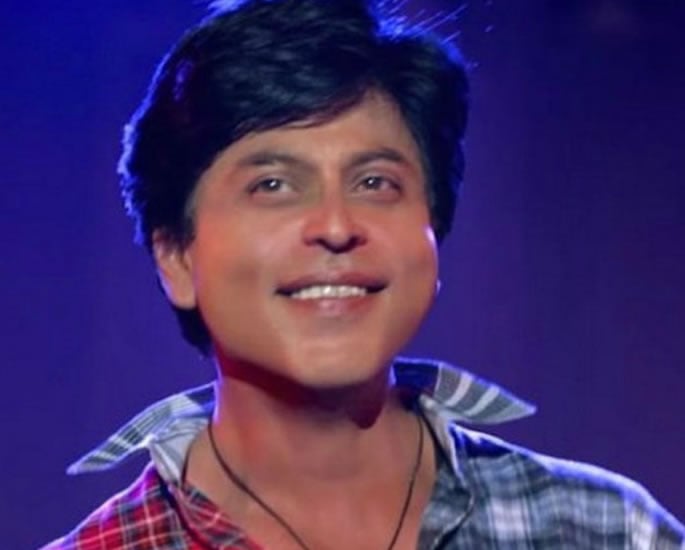
Fan (2016) brings Shah Rukh Khan’s public identity into the argument.
He plays both film star Aryan Khanna and Gaurav, a young admirer whose life revolves around him. Gaurav travels from Delhi to Mumbai hoping to meet Aryan on the star’s birthday.
When the encounter fails to fulfil his expectations, admiration becomes a dangerous obsession.
The double role creates an uncomfortable viewing experience. Shah Rukh embodies both the person receiving devotion and the person who believes that devotion entitles him to recognition.
Gaurav’s emotional investment cannot erase Aryan’s right to boundaries. Equally, Aryan’s celebrity does not make him an uncomplicated figure.
The film invites viewers to consider both men’s behaviour without offering an entirely comfortable allegiance.
For an actor whose career depends on a powerful connection with audiences, that premise carries particular interest. Fan turns the star-and-admirer relationship into a source of conflict.
These five films reveal different uses of Shah Rukh Khan’s screen presence.
Their appeal lies partly in the questions they leave behind.
Can we understand a character without excusing him? Can a hero admit that he has more to learn? What does an audience expect a star to give back?
Shah Rukh Khan’s most daring choices make room for those uncertainties.
They also provide a fuller measure of his acting: the ability to attract attention, hold sympathy and then challenge the audience’s reasons for offering it.