




















































Third spaces offer somewhere familiar.
A coffee in a mid-range coffee shop is nearly £4, and a pint costs £4.56 on average anywhere in the UK. Meeting a friend for a quick catch-up already demands money before the conversation even starts.
Third spaces, however, offer another possibility: somewhere familiar to spend time without turning every catch-up into a rather expensive purchase.
These third spaces can be anywhere: a library, a community hub or a regular table at a neighbourhood café. The attraction is having somewhere to return to, rather than constantly planning another big outing.
But are they the only affordable route to a social life? Not quite.
Third spaces are a great starting point, yet they sit within a wider set of options that many British Asians already know well.
What Is a Third Space?

The term was popularised by sociologist Ray Oldenburg. Your first space is home, your second is work or study, and your third is the in-between place where you simply belong, without needing a reason or a big budget.
The idea works because of repetition. When you turn up somewhere regularly, everything and everyone becomes familiar.
Conversations start without effort, and nobody has to send a group chat message three weeks in advance to make it happen.
These are the third spaces we’ve always wanted: Central Perk from Friends, Luke’s diner from Gilmore Girls and MacLaren’s Pub in How I Met Your Mother.
Brit-Asians have Always had Third Spaces
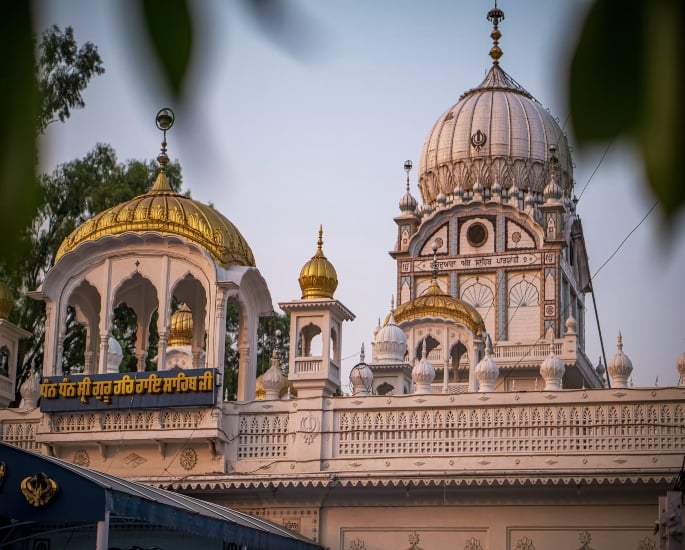
For many South Asian communities, third spaces are nothing new. They just have different names.
The gurdwara, mandir or mosque is often a place where people catch up after prayers, share food and check in on one another.
Many gurdwaras offer langar, a free community meal open to everyone, regardless of background or faith.
Then there are community centres running language classes, yoga sessions, senior lunch clubs and youth groups. The local library offers free Wi-Fi, quiet seating and often a calendar of events.
Even the family-run chai spot or the corner shop where the owner knows your name can serve the same purpose.
What makes these places work is that they are woven into daily life. Nobody books them three weeks ahead.
People simply turn up, often with family in tow, and the conversation takes care of itself.
For younger Brit-Asians, they can also be a link across generations, a place where grandparents, parents and children share the same room.
The common thread is familiarity. You do not need to spend much, because you are not there to consume or purchase primarily. You are there to connect with the familiarity you keep coming back for.
Third Spaces matter when Money is Tight

When you’re tight on money, the social life is often the first thing to go. It rarely happens on purpose.
A friend suggests drinks or food, you check your bank balance and say maybe next week. Then next week becomes next month.
Third spaces ease that pressure. Because you are not there to spend, the question of “can I afford it?” stops hanging over every invitation.
You can stay for one cup of tea or none at all, and nobody minds.
That freedom is what makes them so valuable. They keep the door to your social life open, even in months when your wallet is closed.
There are Cheaper Ways to Socialise
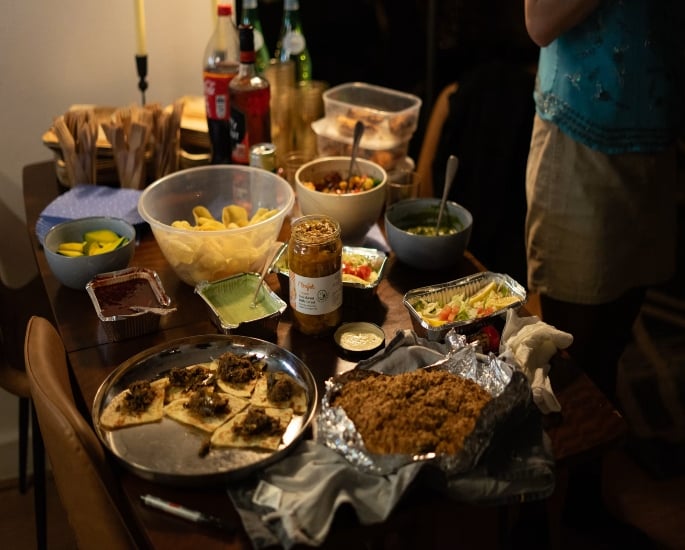
If there is no obvious third space near you, or it simply is not your scene, there are plenty of other low-cost ways to see people.
Host at home, and keep it simple
A potluck where everyone brings one dish often costs each person less than a single restaurant main. Chai and snacks on a Sunday afternoon can be just as warm as any dinner reservation. Sharing the effort also takes the pressure off the host.
Get moving together
Walks in the local park, free parkrun events, casual cricket or football in the park, and community run clubs all cost little or nothing. Chatting is easier when you are side by side rather than staring across a table.
Volunteer
Volunteering at a food bank, charity shop, community garden or temple event gives you a shared purpose and a ready-made group of people. Friendships tend to form quickly when you are working towards something together.
Use free and low-cost events
Libraries, museums, councils and arts organisations regularly run free talks, film screenings, craft sessions and cultural events. Many local festivals, such as Diwali, Vaisakhi and Eid celebrations, are open to everyone and free to attend.
Join a club
Book clubs, board game nights, language exchanges and hobby groups are often free or charge a small fee. The shared interest does the heavy lifting when conversation feels awkward.
Swap the venue, keep the habit. If you still love a café catch-up, consider making it occasional rather than the default. Alternate between a paid outing and a free one, or share a pot of tea rather than ordering individually.
You can Turn Any Space into a Third Space

A third space is not always a place that already exists. Sometimes you build it simply by showing up often.
If you’re looking to start your own 3rd space, start with somewhere close, so it never feels like an effort to just show up.
Pick a time that suits your week, such as Saturday mornings or Wednesday after work, and stick to it. Familiar faces come from repeated visits, not one-off ones.
Say hello to the same people each time. A head nod can turn into a chat, and a chat can turn into a friend. Then invite one person along.
A friend who joins you at your regular spot is far more likely to return than one who is dragged to a brand-new place every time.
Finally, give it a few weeks. You never feel a belonging on the first visit. It builds slowly but steadily, until one day someone saves you a seat and the staff recognises you.
It’s the Habit that Changes a Space
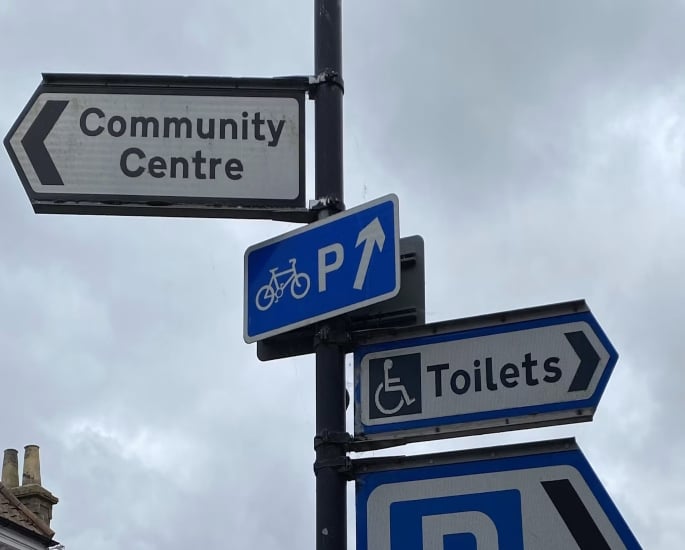
Whether it is a library, a park bench or your living room, the real value lies in regularity. Social life gets expensive when every meet-up has to be an event.
It gets easier, and cheaper, when seeing people becomes part of your routine.
This matters for wellbeing too. Loneliness is a genuine concern for many people, and cost can quietly push friendships to the margins. When the price of a catch-up feels too high, plans get postponed, and gaps between meet-ups grow.
Low-cost, repeatable habits can change that. A weekly walk, a monthly potluck or a regular seat at the community centre keeps connections alive without draining your bank account.
Third spaces work because they remove the pressure to spend and the effort of constant planning. Other options, from hosting at home to volunteering and joining free clubs, can do the same job.
The best approach is probably a mix.
Find one place you can return to, add one or two free activities, and keep the occasional café or pub trip for special catch-ups.
That way, socialising stays something you look forward to rather than something you budget around.
After all, the best conversations rarely depend on the price of the drink in your hand.