
















































Traditional warm botanical oils like Amla and Bhringraj work
For generations, Desi kids have spent their Sunday evenings having their hair oiled by their mothers and avoiding the question: “How is your hair so thick?”
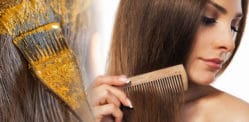
The oil came in many scents and flavours: warm coconut, mustard, or sesame oil was massaged into the scalp to keep hair dense and hydrated.
Once again, social media rebranded a long-lasting tradition into the “skinification of hair”. The humble ritual now comes with £30-£100 gadgets promising faster growth through red light, microcurrents, and scalp-vibrating brushes.
This high-tech makeover raises an important question for British Asians.
Are these clinical-looking gadgets a necessary upgrade to traditional hair oiling, or simply TikTok’s way of rebranding a tradition to make you spend extra money?
Why the Scalp has become Beauty’s New Focus

The industry calls it the “skinification” of haircare: applying the language, ingredients and targeted approach of skincare to the scalp.
Instead of concentrating exclusively on shine or frizz, products increasingly promise to address the environment from which hair grows. Serums, exfoliants and personalised treatments have become part of that expanding offer.
Vogue describes haircare borrowing skincare ingredients and embracing scalp-focused services and devices. It also identifies traditional Asian rituals among the influences shaping demand.
The concept gives consumers a useful reason to consider what is happening beneath their hairstyle.
It also creates a fresh shopping category. Once the scalp becomes another skincare concern, a basic wash can acquire several additional steps.
For readers navigating this market, the distinction between a cosmetic improvement, a relaxing experience and treatment for a medical condition becomes essential.
Understanding the Physical Realities of Desi Hair

South Asian hair often presents a distinct set of characteristics: higher structural density, a tendency toward dryness, and a scalp prone to buildup and hyperpigmentation.
Traditional warm botanical oils like Amla and Bhringraj work because they coat the strand and nourish the scalp barrier directly.
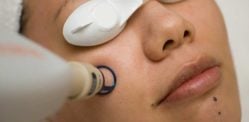
The beauty tech industry claims that red light therapy and microcurrent wands help oil penetrate deeper while stimulating dormant hair follicles.
However, thick hair density presents a physical barrier. Low-level red light therapy (LED wavelengths around 630 to 650 nanometers) requires direct skin contact to deliver cellular energy to the scalp tissue.
With thick, coarse hair, much of that light gets blocked at the root level unless the hair is precisely parted and clipped back section by section.
The Science: Microcurrents vs Manual Oiling
The appeal of microcurrent massagers lies in their promises to boost microcirculation and loosen tight scalp muscles. Scalp tension can restrict blood supply to follicles.
Modern electric massagers deliver mild Electrical Muscle Stimulation (EMS) to release that tension.
Yet, clinical research indicates that manual scalp massage yields similar circulation benefits without the electric price tag.
A traditional, thorough fingertip massager moves the scalp against the skull bone just as effectively, increasing local blood flow and promoting relaxation.
While an EMS device offers a luxurious feel, a deliberate 10-minute manual massage with warm oil delivers comparable microcirculatory benefits to hair roots.
The ‘Benefit’ is the Time you Save
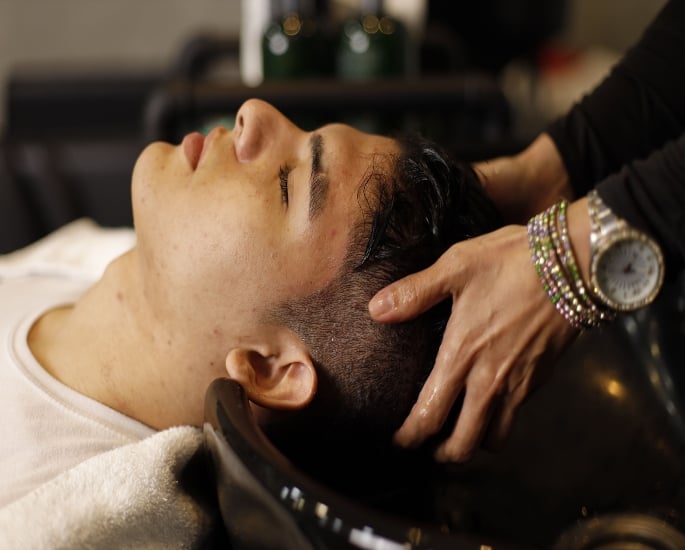
Where these gadgets do offer genuine value is in changing user behaviour. Traditional oiling can feel messy and time-consuming, often leading people to rush or skip the routine entirely.
Modern handheld oil-dispensing brushes and waterproof massagers streamline the application, distributing oil directly onto the scalp rather than saturating the length of the hair.
For individuals with PCOS or hormone-related scalp buildup, common concerns among South Asian women, properly clearing the hair root is essential.
Soft silicone scalp brushes (often costing under £10) assist in exfoliating product buildup and dead skin, making them a cost-effective addition.
The high-end tech, while visually appealing, acts primarily as a luxury tool to encourage a consistent routine rather than a biological requirement for growth.
Then Why so Expensive?
The sudden surge of “scalp care” in high-street beauty stores is very familiar for South Asians across the world.
Cultural practices that were once dismissed or subjected to judgment in the UK, workplaces and schools are now packaged as premium wellness rituals.
While spending £50 or more on a light-up massaging comb is completely optional, the cultural shift itself holds value.
Incorporating tech into oiling has helped younger generations reclaim a traditional heritage practice on their own terms.
Whether using a £100 LED device or basic fingertips, the key driver of results remains the same: regular scalp care and consistent botanical nourishment
Final verdict: Worth it or Waste of Money?
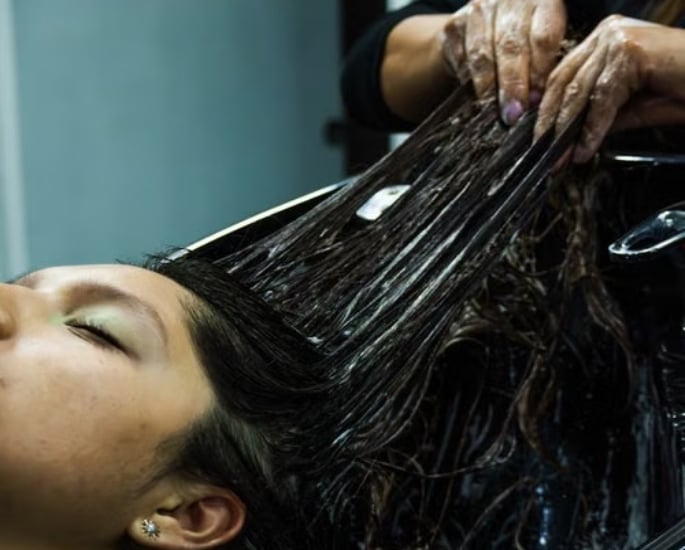
The verdict is straightforward: high-tech scalp devices are a waste of money.
Thick South Asian hair obstructs light-based devices, while vibrating motor heads offer nothing that manual fingertip pressure, your mum taught you, cannot accomplish naturally.
Building a genuine self-care habit requires personal effort and time, not expensive electronics.
Save your money, skip the viral online gadgets, and stick to the proven basics. Warm up your chosen oil, use your own hands, and maintain a consistent weekly routine.