



















































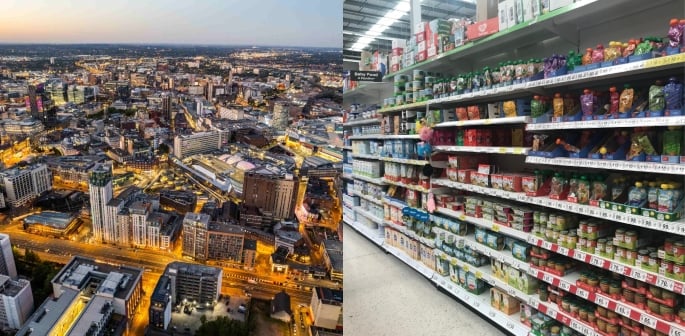
Remain “alert but not alarmed”
The UK Government has urged households to prepare for emergencies by keeping three days’ worth of food, drinking water and essential supplies at home.
The advice forms part of its ‘Be Ready’ campaign, which encourages people to prepare for potential disruptions to electricity, water supplies, phone networks and internet services.
Launched on October 22, 2026, the campaign highlights risks including severe weather, cyberattacks and disruptions to essential supply chains.
Defence Secretary Wes Streeting has urged the public to remain “alert but not alarmed”, stressing that the guidance is meant to encourage practical preparation rather than panic buying.
The initiative has renewed questions about why the Government is urging people to stockpile supplies and what households need to know about the emergency preparedness advice.
Why Is the UK Government Urging People to Stockpile?
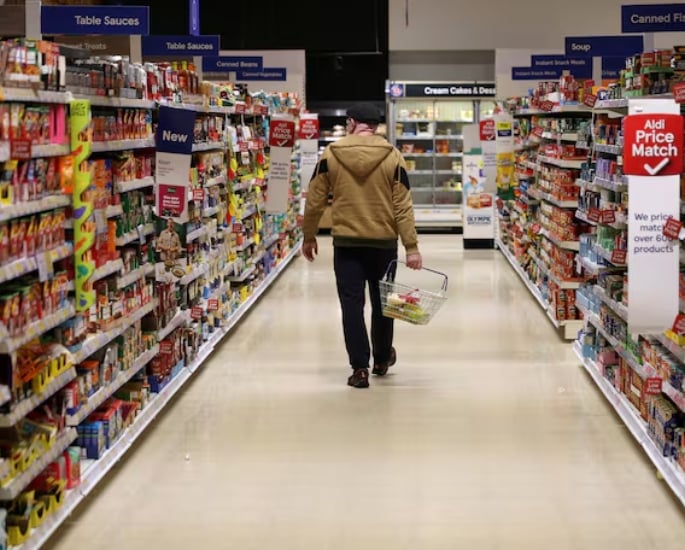
The Government’s new guidance comes amid growing concerns about the risks posed by extreme weather, cyber incidents and threats to the country’s critical infrastructure.
The ‘Be Ready’ campaign aims to help households become more resilient if essential services are temporarily disrupted.
According to the Cabinet Office, severe weather can affect electricity, water, telephone connections and internet access, potentially leaving communities without services they normally rely on.
Recent weather events have highlighted the consequences of such disruption.
Storms during the previous winter and wildfires over the summer demonstrated how emergencies can affect communities and place additional pressure on public services.
Cybersecurity has also become a significant concern. A software security incident involving PHP, a programming language used by websites and online services, prompted organisations to secure their systems after vulnerabilities were disclosed in October.
The incident forced some services offline and triggered millions of hacking attempts, according to Reuters.
The Government has pointed to these developments as examples of why households should consider what would happen if normal services suddenly stopped working.
Speaking about the need for greater preparedness, the Defence Secretary asked how people would cope if supermarket payment systems stopped working.
He said these were the types of everyday challenges that could develop into more serious problems, adding that the public should be prepared to respond.
Rather than relying entirely on emergency responders, households are being encouraged to take reasonable steps to manage the initial stages of disruption.
What Should Households Keep at Home?
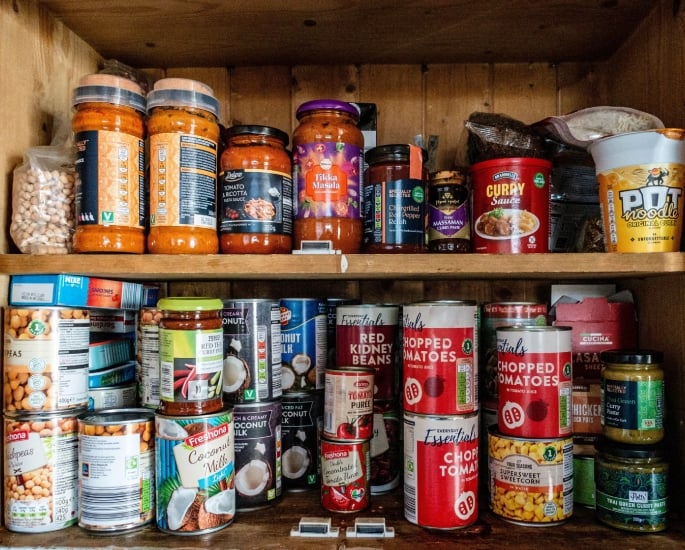
The ‘Be Ready’ campaign recommends keeping enough essential supplies to manage for approximately 72 hours if normal services are disrupted.
The Government advises keeping three litres of drinking water per person per day, meaning an individual would need nine litres for three days.
A household of four would therefore require 36 litres for drinking alone, with additional water potentially needed for cooking and washing.
Households are encouraged to keep three days’ worth of non-perishable food that does not require refrigeration or cooking.
Suitable options include tinned meat, fish and vegetables, alongside dried fruit and nuts.
The advice encourages people to choose foods they would normally eat rather than buying unfamiliar products solely for emergencies.
This approach can make preparation more affordable and reduce the likelihood of supplies going unused.
Other recommended items include hand sanitiser, wet wipes, bathroom products and essential hygiene supplies.
These can become particularly important if water services are interrupted or people cannot access shops.
Households are also advised to keep a torch and spare batteries available.
A battery-powered or wind-up FM radio can provide access to important updates if mobile networks or internet services are unavailable.
Medical preparation is another key part of the advice. Households should keep a first aid kit and ensure they have essential medicines and medical supplies available.
The guidance recommends requesting repeat prescriptions in good time to reduce the risk of running out during an emergency.
The Government advises people to review their existing household supplies before purchasing anything new. It also recommends checking expiry dates regularly and gradually building up provisions to spread the cost.
Government Defends Advice Amid Fears of Scaremongering
The announcement has prompted questions about whether urging the public to prepare for three days without normal services risks creating unnecessary anxiety.
Streeting has defended the campaign, saying the public should be aware of the risks without becoming alarmed by them.
The advice is intended to encourage sensible preparation rather than suggest that a major emergency is about to happen.
The Government has also clarified that it is not issuing a compulsory shopping list or instructing every household to make large purchases.
Treasury minister James Murray said the campaign was about providing information so people could make appropriate decisions about their own circumstances.
He stressed that households should consider what they need rather than treat the guidance as a list of items that must all be bought immediately.
Prime Minister Andy Burnham has similarly emphasised the importance of reasonable preparation rather than panic-buying.
His comments followed questions about what supplies he keeps at home and how households should respond to the new recommendations.
The distinction is important because widespread panic-buying could create unnecessary pressure on supermarket shelves and make essential products harder to access for people who need them most.
Instead, the guidance encourages people to prepare gradually during their usual shopping trips.
The Government has also highlighted the importance of community support during emergencies.
Checking on neighbours, particularly older people and those who may need additional assistance, could help communities respond more effectively if services are disrupted.
How Does the UK Campaign Compare With Other Countries?
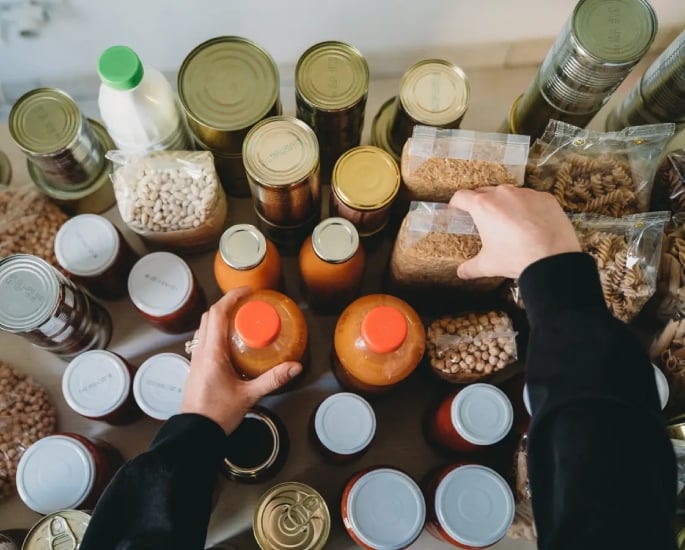
The ‘Be Ready’ campaign aims to strengthen the UK’s emergency preparedness, following similar guidance in other European countries.
The European Commission also recommends keeping essential supplies to manage for 72 hours during a crisis.
Flooding, power cuts and cyberattacks could disrupt access to shops and essential services, making household preparation important.
The campaign builds on Government guidance published in May 2024 and will use social media and public communications to reach households.
The message is to check existing supplies, plan for emergencies and gradually build up essentials.
The Government stresses that the advice is about sensible preparation, not a warning of a national emergency.