

















































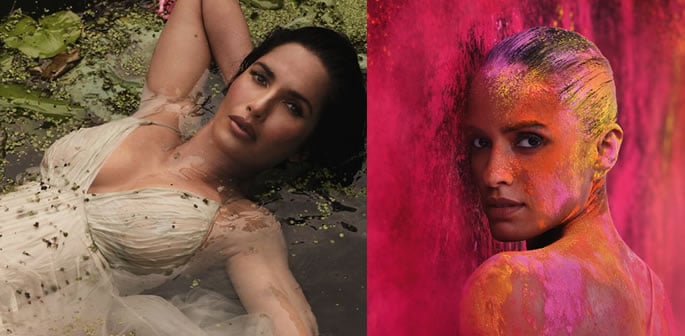
"I hope this calendar will convey our true diversity."
The 2027 Pirelli calendar celebrates India’s beauty and cultural diversity, featuring an all-South Asian cast.
The calendar pays homage to India’s traditions, landscapes and people, bringing together prominent figures from the worlds of film, fashion, music and literature.
After appearing in the 2025 edition, Padma Lakshmi returned, modelling a white dress while posing in a lily pad pool.
She said she was eager to participate again after learning that the latest edition would be photographed in India with an all-Indian cast.
Despite the intense heat on set in Rajasthan, Padma described the experience as beautiful and reflected on the connection between her name and the shoot.

She explained: “I thought it was a good omen because my name in Sanskrit means lotus, Padma, so I was very pleased.
“I felt ethereal and like myself, and I thought the whole thing came together effortlessly and in such an organic and pure, timeless way.”
Meanwhile, Freida Pinto made her Pirelli calendar debut in a fuchsia mini dress.
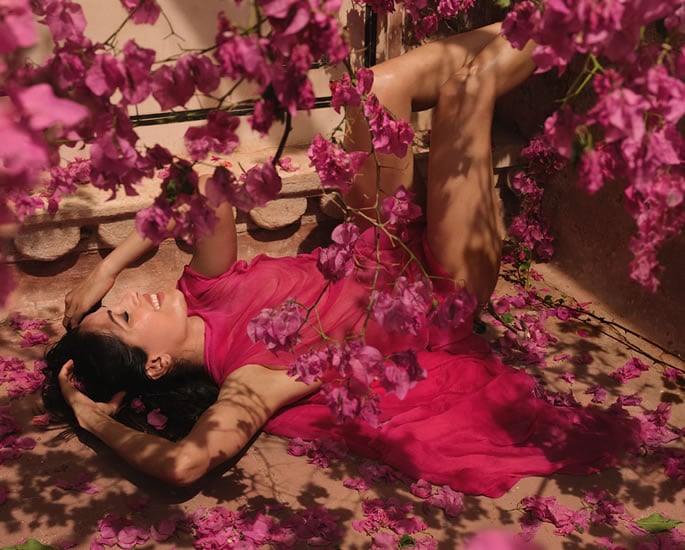
She said she was “overjoyed” to be invited to participate, expressing hope that the calendar would communicate the diversity of Indian culture.
Freida shared: “I hope this calendar will convey our true diversity.
“We are one people of one race, but within that race, we have so much colour and flavour and variations and shades, and I’m not just talking about externally; I’m talking about internally as well.
“Our cultures shift. A main culture could be that of India, but within that, what South India gave me, as opposed to what Bombay gave me, is so different.
“So, when people see this calendar, I hope they see how different we are and how we can all still coexist beautifully.
“I hope they also see a message of coexistence, not just for one country but for the whole world. That we’re all the same: human.”
Model Lakshmi Menon also features in the calendar, with her photographs drawing inspiration from Holi.
The Bangalore native welcomed the fashion industry’s growing representation of Indian models, reflecting on how opportunities have changed since she entered the industry.
Lakshmi added: “Now you see a lot more diverse faces, Indian faces, in fashion.
“These things take time, but there are a lot more Indian girls in the business now than there were when I was there. I think it was just me at that point.”

The calendar also features actresses Aditi Rao Hydari and Avantika Vandanapu, musician and composer Anoushka Shankar, poet and performer Rupi Kaur, and model Bhavitha Mandava.
Photographer Avani Rai appears both in front of and behind the camera, contributing to a project that brings together three photographers to present different perspectives on India for the first time in the calendar’s history.
Solve Sundsbo, who also photographed the 2026 edition, was joined by acclaimed Indian photographer Raghu Rai and his daughter Avani Rai.
Raghu Rai died in April 2026, with Avani continuing her father’s legacy and helping carry the project forward following his death.
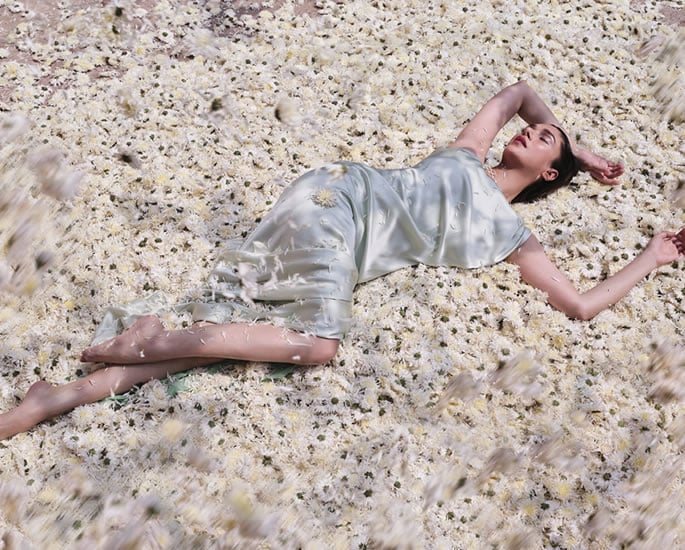
Reflecting on the inspiration behind the calendar, Solve said:
“Close your eyes and think of India. What do you see?
“Perhaps a colour, a face, a crowded street, a landscape, a ritual.”
“But India is never just one thing. It is a country where different times, traditions and realities coexist, where the ancient and the contemporary enter the same image.”

Published annually by Pirelli’s UK arm since 1964, the calendar is produced in limited quantities and is not available for general sale. Instead, copies are gifted to celebrities and select Pirelli customers.
Over the decades, it has featured an array of internationally recognised names, including Serena Williams, Yoko Ono, Alicia Vikander, Emma Watson, Whoopi Goldberg, Nicole Kidman and Iggy Pop.
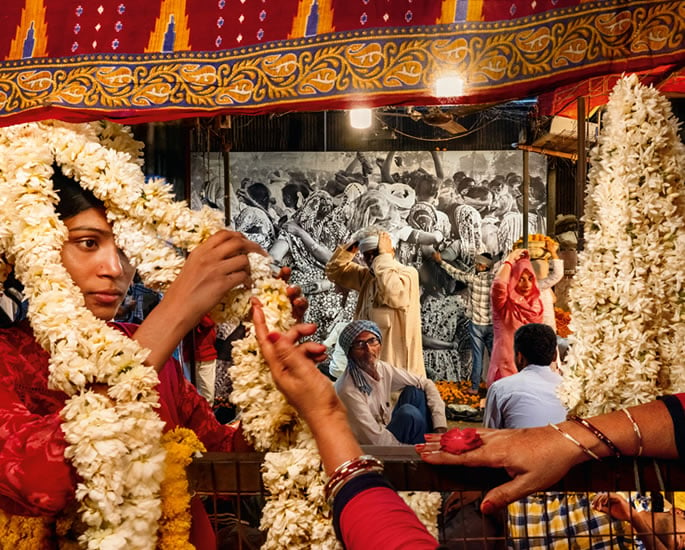
Historically associated with revealing outfits, topless models and provocative fashion photography, the Pirelli calendar has undergone a significant transformation in recent years, placing greater emphasis on individuality, representation and social issues.
A notable shift came with the 2017 edition, when the company announced it was “ripping up the rule book” and introduced a more feminist approach.
The calendar was not published in 2021 because of the Covid pandemic, marking the only interruption to its annual release since its launch in 1964.