

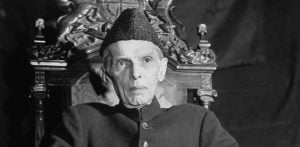
















































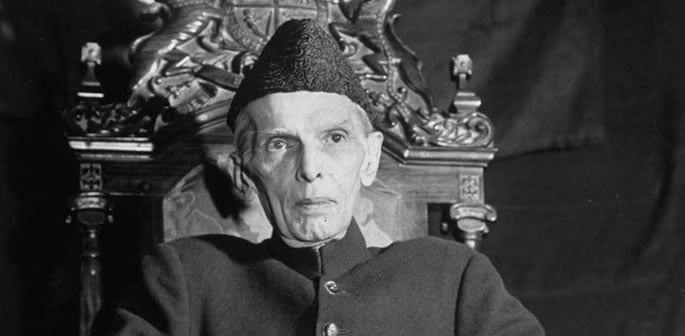
Muhammad Ali Jinnah was famous for his polished appearance.
When we think of Muhammad Ali Jinnah, we often picture the sharply dressed founder of Pakistan delivering powerful speeches and leading the country towards independence.
Known as Quaid-e-Azam, meaning “Great Leader”, Jinnah is one of the most recognisable figures in South Asian history.
But there was much more to him than politics.
Before becoming the man who led the movement for Pakistan, Jinnah was a young law student in London who admired Shakespeare, loved the theatre and became known for his impeccable style.
His personal life was also far more complicated than the photographs and history books might suggest.
Here are seven lesser-known facts about the man behind Pakistan.
He Considered Becoming an Actor
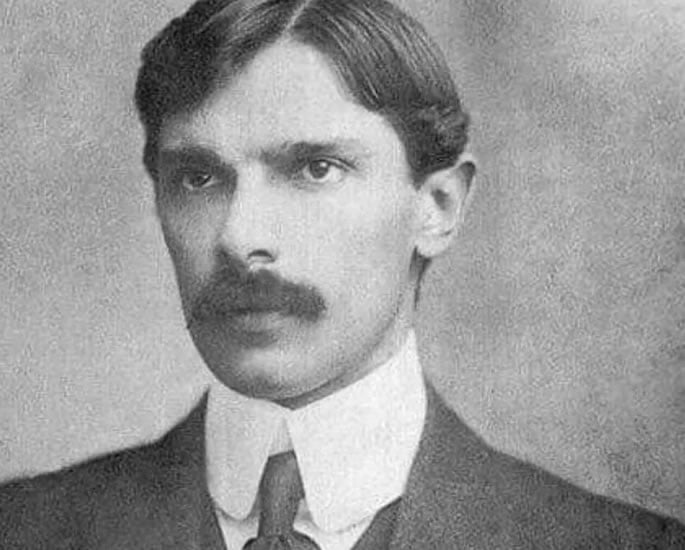
Before law and politics took over his life, Muhammad Ali Jinnah developed a strong interest in Shakespeare and the theatre while living in London between 1892 and 1896.
He enjoyed watching performances and reportedly considered pursuing acting himself.
His interest in Shakespeare also helped develop the confident public speaking and communication skills that would later become important during his legal and political career.
Jinnah’s father opposed the idea of him pursuing the stage and encouraged him to focus on a more secure career.
Jinnah eventually chose law, qualifying as a barrister and beginning a legal career that would eventually lead him into politics.
It is interesting to imagine what South Asian history might have looked like if he had chosen the stage instead.
His Style was part of his Image
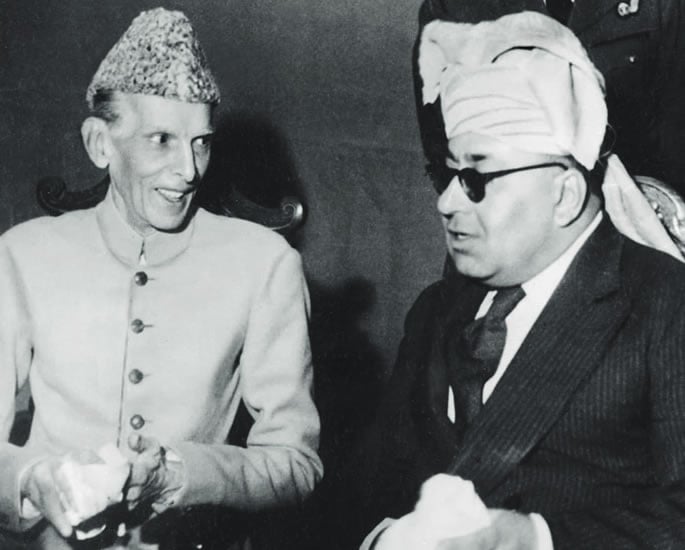
Muhammad Ali Jinnah was famous for his polished appearance.
Tailored suits, perfectly pressed clothes and carefully chosen accessories became part of his signature look.
He understood the importance of presentation and carried himself with the confidence of a successful barrister.
But his attention to detail wasn’t limited to his clothes.
Jinnah was known for being disciplined and precise in his legal work.
In court, he developed a reputation for presenting his arguments calmly and confidently rather than relying on dramatic gestures. That same composed style later became part of his political identity.
The sharp barrister of Bombay eventually became the equally recognisable leader of the All-India Muslim League.
He was a Very Private Man
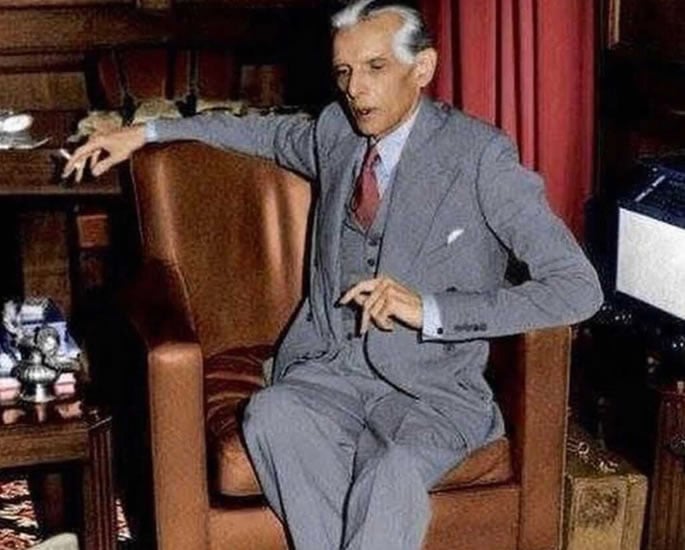
Muhammad Ali Jinnah’s public image was serious, controlled and authoritative. But away from politics, he was a private person who valued his independence and kept his personal life largely out of the public eye.
His routines were reportedly important to him, and he was known for being particular about punctuality, order and presentation.
This reserved personality meant that much of the man behind the political figure remained unknown to the wider public.
Despite spending much of his life in the public spotlight, Jinnah rarely allowed the public to see the man behind the political figure.
His family life, however, revealed a more personal and complicated side to his story.
His Marriage to Ruttie caused a Scandal
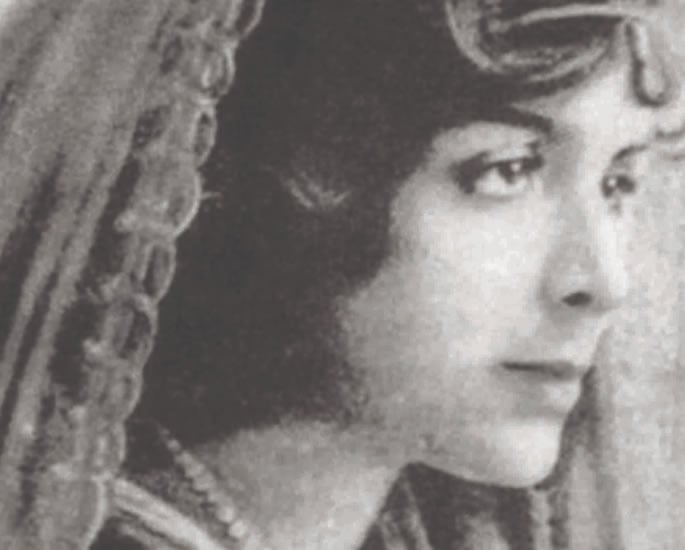
One of the most fascinating chapters of Jinnah’s personal life was his relationship with Rattanbai “Ruttie” Petit.
Ruttie was the daughter of Sir Dinshaw Petit, a prominent Parsi businessman and Jinnah’s friend.
From the beginning, the relationship attracted controversy.
There was a 24-year age gap, they came from different religious backgrounds and Ruttie’s family strongly opposed the relationship.
In 1918, they married shortly after she turned 18.
Ruttie converted to Islam before their marriage, adding to the controversy surrounding their relationship. The couple had a daughter, Dina, in 1919.
Their marriage may have begun as a love story, however, it became increasingly difficult.
Jinnah’s demanding political and legal career often kept him occupied, while Ruttie wanted a more active social and romantic life.
By 1928, the couple were living separately, with Ruttie moving to the Taj Mahal Hotel in Bombay.
Jinnah & Ruttie’s Relationship wasn’t Simple
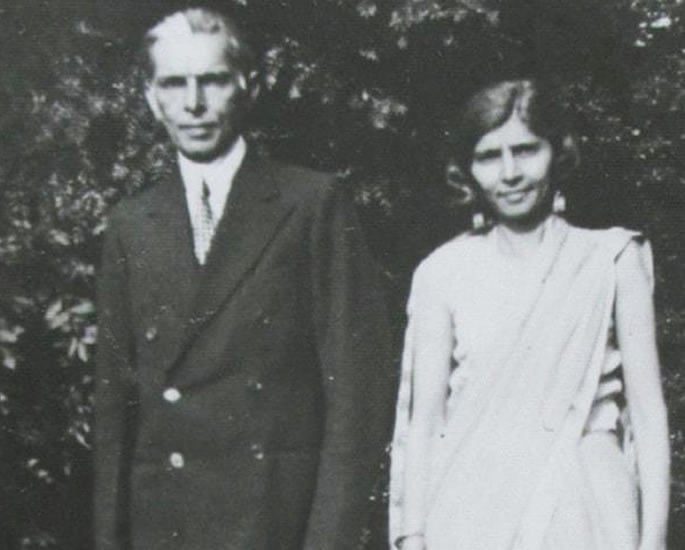
Muhammad Ali Jinnah’s demanding legal and political career placed considerable pressure on his marriage.
Accounts of their relationship describe Ruttie becoming increasingly unhappy and isolated, with the couple eventually living apart.
Sheela Reddy’s Mr and Mrs Jinnah: The Marriage That Shook India explored the difficulties in their marriage through Ruttie’s letters, personal papers and accounts from people who knew the couple.
As Jinnah became increasingly absorbed in politics and law, Ruttie was left feeling isolated from the family and social life she had known.
Ruttie’s final years were marked by serious health problems.
She travelled to Europe for treatment in 1928, but her condition worsened after she returned to Bombay.
Ruttie died on February 20, 1929, aged just 29.
The exact cause of her death remains uncertain, although historical accounts have suggested illnesses including colitis and possible cancer.
Her death brought an end to one of the most controversial and closely followed relationships in Jinnah’s personal life, showing that the man behind the political image experienced the same complicated emotions and relationships as anyone else.
Jinnah wasn’t always calling for Pakistan
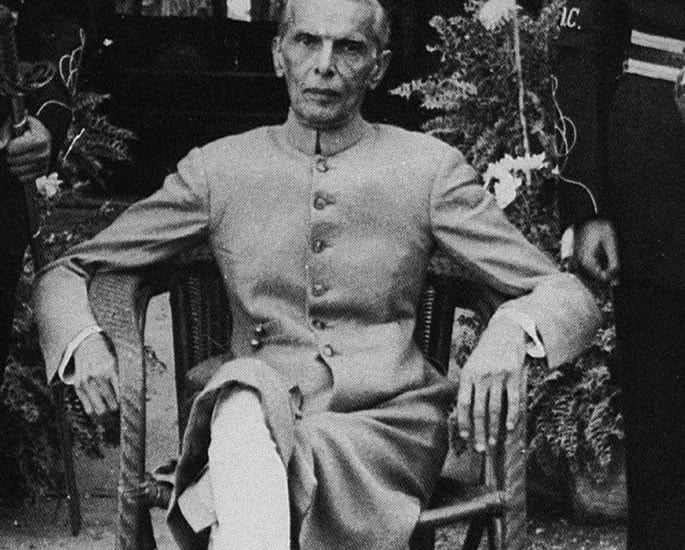
Perhaps one of the most surprising things about Jinnah’s political journey is that he did not begin his career by demanding a separate Muslim homeland.
In 1916, he played an important role in the Lucknow Pact, which brought the Indian National Congress and the All-India Muslim League together.
The agreement aimed to promote political cooperation between Hindus and Muslims and secure greater Indian representation.
But Jinnah’s political position changed significantly over the following decades.
Disagreements with Congress leaders, concerns about Muslim political representation and wider political developments in British India gradually influenced his thinking.
By the 1940s, Jinnah had become the central leader of the Muslim League and was campaigning for a separate homeland for Muslims.
His political journey shows that his views developed over time rather than remaining fixed throughout his career.
His Work continued after Pakistan was Founded
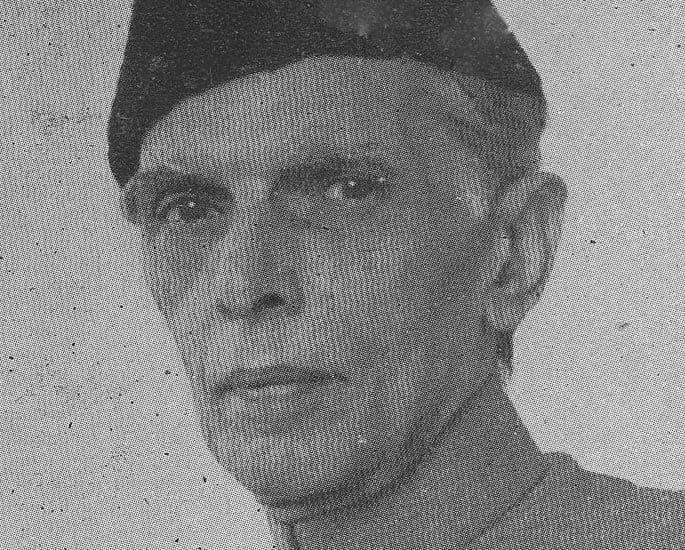
Pakistan’s independence in August 1947 was not the end of Jinnah’s work. It was the beginning of another enormous challenge.
Muhammad Ali Jinnah became Pakistan’s first Governor-General and was faced with the task of helping establish a functioning government in a brand-new country.
Pakistan was dealing with the enormous consequences of Partition, including the arrival of millions of refugees and the urgent need to establish new institutions.
Jinnah remained closely involved in the challenges facing the new country and spoke about the importance of protecting minority rights.
In his August 11, 1947 address to the Constituent Assembly, he stated:
“You are free to go to your temples, you are free to go to your mosques or to any other places of worship in this State of Pakistan.”
He also emphasised that a person’s religion, caste or creed should not determine their role as a citizen.
5 Facts about Muhammad Ali Jinnah
- He travelled to London as a teenager to study law and was called to the Bar in 1896.
- In 1904, he was elected to the Bombay Municipal Corporation, gaining early political experience.
- In 1910, he joined the Imperial Legislative Council and became involved in British India’s central politics.
- His name was initially recorded as “Jinnahbhai” before he requested it be changed to “Jinnah".
- He spoke English and Gujarati and had knowledge of Urdu.
Jinnah’s time as Governor-General was brief and on September 11, 1948, he passed away.
Muhammad Ali Jinnah is remembered as the founder of Pakistan, but his life was much bigger than that one title.
He was a barrister who admired Shakespeare, a man known for his distinctive style, a husband and father, and a politician whose views evolved dramatically throughout his career.
His relationship with Ruttie, his early interest in theatre and his political transformation all reveal sides of Jinnah that are often overshadowed by his role in the creation of Pakistan.
In 1947, he famously said: “Do your duty and have faith in God.”
More than seven decades after his death, Jinnah remains deeply connected to Pakistan’s national identity.
But perhaps the best way to understand him is to look beyond the iconic photographs and political speeches.
The man behind Pakistan was not simply a leader. He was a lawyer, a husband, a father, a theatre enthusiast and a man whose life was shaped by ambition, love, controversy and change.