















































India accounts for about a quarter of global diabetes cases.
India may introduce health warning labels on packaged foods high in added sugar, salt or saturated fat.
But this has sparked a debate over how India came to rely on cheap packaged food, while in other countries, these companies sold more nutritious versions.
This comes as India’s packaged food market continues to expand and diabetes affects more than 101 million people.
The debate has also put multinational food companies under greater scrutiny over their recipes.
For consumers, it raises a simple question: what exactly is in the food they buy?
Why is India considering Health Warning Labels?
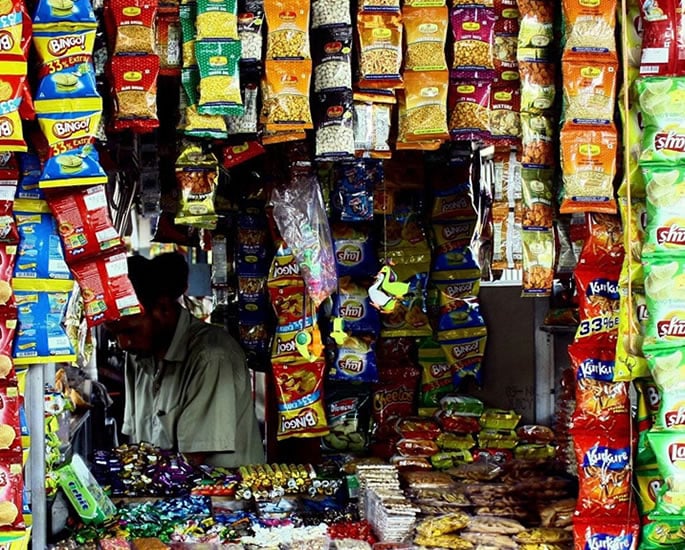
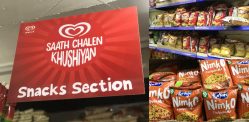
India is proposing front-of-pack warning labels to make it easier for consumers to identify packaged foods high in added sugar, salt or saturated fat.
According to the Food Safety and Standards Authority of India (FSSAI), it could introduce tougher red warning labels after Supreme Court judges questioned its initial plan for a phased introduction.
For years, India has debated warning labels and health advocates have pushed for clearer information about the nutritional content of packaged food and drinks.
The issue has become more significant as the country’s consumption of packaged food grows and diabetes remains a major public health concern.
India accounts for about a quarter of global diabetes cases.
More than 101 million people in the country are living with diabetes, while another 136 million have prediabetes, according to figures cited by Danish pharmaceutical company Novo Nordisk.
According to IMARC Group, India’s packaged food market grew from $129.18 billion in 2025 to $137.25 billion in 2026. It is projected to reach $238.83 billion by 2034.
As a result, the proposed warning system would affect a large and expanding market, although the precise rules and implementation remain subject to the regulatory process.
The All India Food Processors’ Association has estimated that 80% of packaged food could be flagged as high in fat, sugar or salt under the proposed rules.
India’s proposal also draws on warning-label systems already introduced elsewhere. Chile, for example, introduced black octagonal warnings in 2016 for products exceeding limits for specific nutrients.
Researchers have reported a 23.7% decline in purchases of sugary drinks following Chile’s labelling law.
Why are Food Products different in India?
Food companies can use different recipes in different countries because of local tastes, ingredient availability, production costs and consumer expectations.
This has become a particular focus in India because some familiar multinational brands use ingredients or formulations that vary between markets.
One example is Maggi.
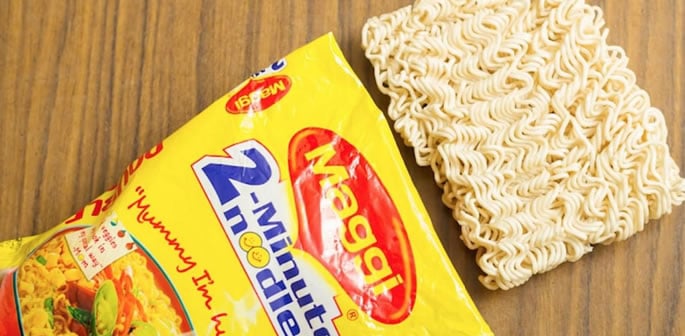
Around six billion meals eaten in Indian households and on many street corners are Maggi two-minute masala noodles.
Nestle launched India’s first instant noodle brand in 1983, marketing Maggi as a quick snack for children and newly working mothers.
Its popularity helped establish Nestle as a major force in India’s food market.
However, the recipe is not identical to versions sold elsewhere. All versions of Maggi in India are made with palm oil, while many versions sold in Britain use sunflower oil.
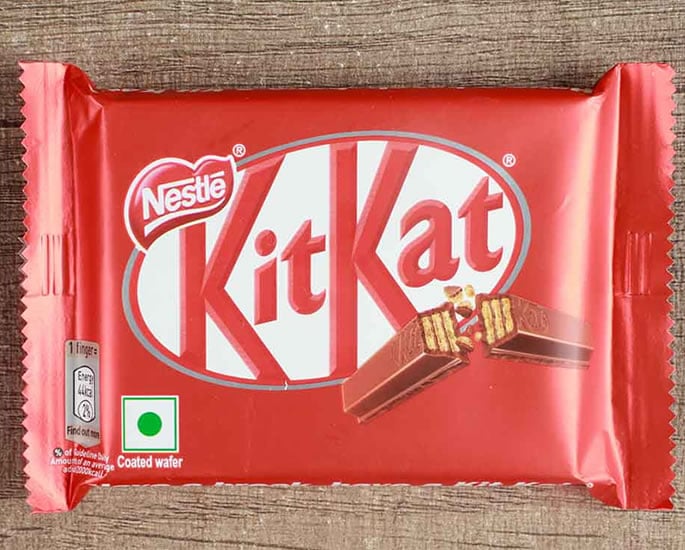
KitKat also has recipe differences, with the Indian version containing less cocoa than versions sold in Australia.
The differences have fuelled questions about whether consumers in India are being offered lower-cost formulations rather than simply products adapted to local preferences.
Shashank Mehta, a former marketing manager at Unilever’s India unit, said:
“It plays on national pride – why is it that India is getting short-changed?”
“Why do companies make the call on my behalf that I can’t afford better ingredients?”
However, ingredient differences do not necessarily mean that a product is unsafe or that one country’s version is universally healthier.
Recipes can be changed for several commercial and practical reasons, including local tastes, ingredient availability and the cost of production.
Nestle said its recipes are developed according to consumer expectations, local taste preferences, food culture, ingredient availability and climatic conditions.
The company insisted recipe variations do not affect product quality and that it has more than 10 regional KitKat recipes globally.
Nestle also said it complies with Indian food safety laws and that ingredients are clearly declared on its packaging.
A former senior Nestle executive said higher-quality ingredients can cost more and could result in price increases in a market where consumers remain highly conscious of affordability.
Why are Indian Consumers questioning Packaged Food?
Indian consumers’ growing scrutiny of packaged food comes after decades in which multinational brands became deeply embedded in everyday diets.
Nestle began selling sugary condensed milk in India in 1912, while Unilever began selling “dalda”, a hydrogenated vegetable oil formulation, in 1937.
Dalda was a cheaper alternative to traditional ghee and became widely used in lower-income kitchens, restaurants and sweet shops. Foreign food companies also began producing products locally to help keep prices low.
Parul Sharma, a former Mondelez India executive who oversaw supermarket sales, said:
“Many recipes in India were designed decades ago for a very cost-conscious consumer, and those recipes have simply been carried forward.
“For the longest time, Indian consumers never really questioned brands.”
That relationship between brands and consumers can be particularly strong when a product becomes associated with local tastes and habits.
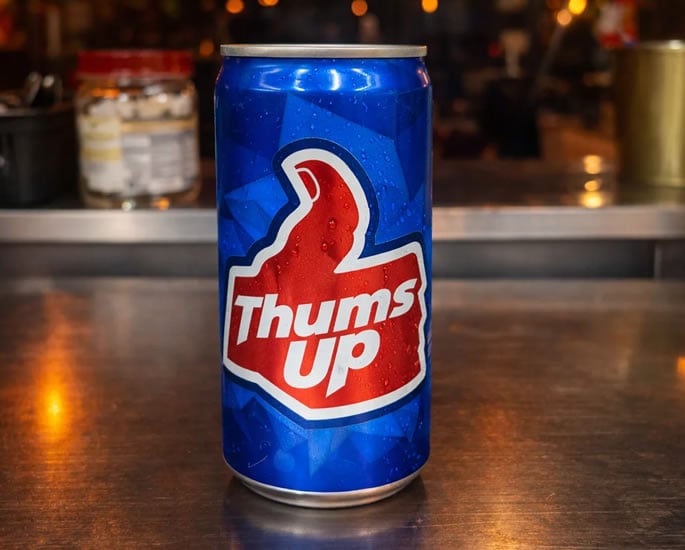
Coca-Cola’s Thums Up was developed around Indian tastes and has grown into a brand worth more than $1 billion, while also being exported to the Indian diaspora.
Coca-Cola bought Thums Up for about $60 million in 1993 and initially planned to phase it out in favour of its flagship cola.
Indian consumers remained loyal to Thums Up’s distinctive taste. This prompted Coca-Cola to retain the brand.
This is why changing an established recipe can be difficult for food companies. A formulation that has been consumed for decades can become closely tied to consumer expectations.
Sharma added: “You can’t change a recipe overnight without risking the loss of a very loyal consumer base.”
Unilever said it had “made significant progress in reducing both sugar and salt across the portfolio, reflecting our support towards healthier diets” over the last five years.
As India considers food warning labels, products such as Maggi, KitKat and Thums Up have become part of a wider conversation about ingredients, affordability and consumer choice.
The proposed warnings would not themselves change the recipes sold in India, but they could make the levels of added sugar, salt and saturated fat more visible to shoppers.
For a country with a rapidly growing packaged food market, the debate puts greater attention on both what brands sell and how clearly consumers are told what is inside.