


















































The institution must be licensed by the UK Home Office
Getting a place at a UK university is only the first step towards studying abroad for Indian students.
They should also understand the latest student visa rules.
A student visa application also involves financial requirements, supporting documents, healthcare costs and rules about working in the UK.
There are also important changes to the graduate visa that could affect students who plan to stay after completing their studies.
Understanding these requirements before applying can help Indian students and their families plan their finances and paperwork more effectively.
Check the Course and University
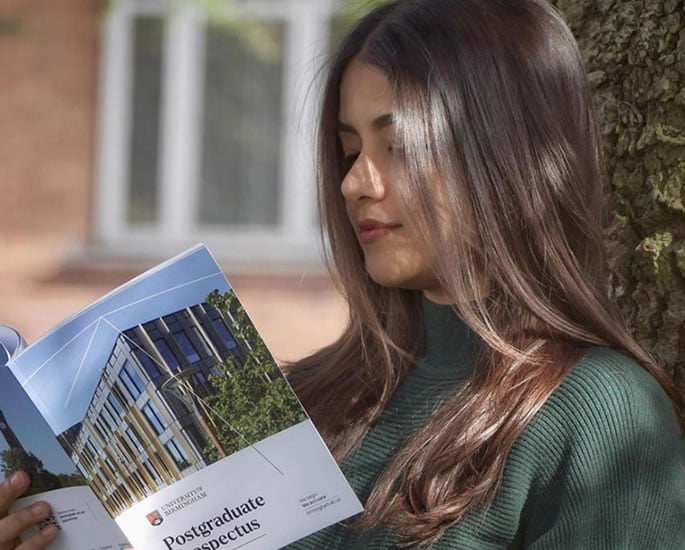
Indian students should first make sure their chosen course and university are suitable for a student visa application. The institution must be licensed by the UK Home Office to sponsor international students.
Once a university has accepted a student and completed the necessary checks, it will issue a Confirmation of Acceptance for Studies (CAS).
The CAS contains important information about the course, fees and sponsorship and is needed for the visa application.
Before accepting an offer, students should check:
- Course modules
- Entry requirements
- Tuition fees
- Course length
- Placement or internship opportunities
- Accommodation and living costs
- Career opportunities after graduation
University rankings can be useful, but they should not be the only consideration. Students should also think about whether the course fits their previous education and career plans.
The UK government maintains a register of licensed student sponsors, so students can check whether their chosen institution is authorised to sponsor international students.
Know How Much Money You Need

Financial requirements are an important part of the student visa application.
Students generally need to show enough money to cover their outstanding course fees and living costs.
For applications in 2026, students need to show:
- £1,529 per month for living costs if studying in London
- £1,171 per month if studying outside London
The living-cost requirement applies for up to nine months.
This means the maximum amount for living costs is £13,761 in London or £10,539 outside London.
Students must also show enough money to cover their outstanding tuition fees for the first academic year, as stated on their CAS.
The required funds generally need to have been held for 28 consecutive days, unless the student is relying on an accepted student loan or official financial sponsorship.
Students should therefore arrange their finances well before applying. They should also keep clear records of where their money comes from and make sure any financial evidence meets UKVI requirements.
However, the visa minimum should not be treated as a complete study budget. Students and their families should also account for:
- Tuition fees
- Accommodation
- Food
- Local transport
- Flights between India and the UK
- Books and study materials
- Visa fees
- Immigration Health Surcharge
- Personal expenses
- Emergency costs
The actual cost of living can vary significantly between London and other parts of the UK.
Prepare your Documents
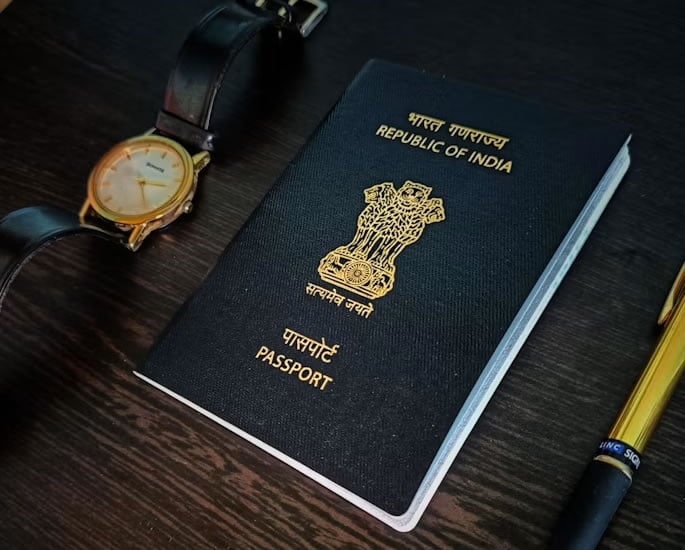
Before starting an application, Indian students should prepare their supporting documents.
The exact requirements depend on their circumstances, so applicants should use the individual document checklist provided during the official application process.
Common documents can include:
- Valid passport
- CAS reference number
- Financial evidence, where required
- TB test certificate, where required
- ATAS certificate, where required
- Evidence of an official financial sponsorship or student loan, where applicable
- Evidence relating to parental funds, where applicable
Indian students should pay particular attention to the TB test requirement.
Those coming to the UK for six months or more generally need a TB test if they have lived in India for at least six months and were living in India or another listed country during the six months before applying.
The test must come from a clinic approved by the Home Office.
Students should not assume that documents used for university admission will automatically satisfy visa requirements. The university’s admission process and the Home Office’s immigration requirements are separate.
Understand Visa Costs and Work Rules
The student visa itself is another cost students need to include in their budget.
As of April 8, 2026, the student visa application fee is £558 for applications made outside the UK.
Students also generally need to pay the Immigration Health Surcharge (IHS). The current student rate is £776 per year, with the total depending on the length of the visa.
Students should also understand how much they are allowed to work.
Eligible full-time degree-level students at higher education providers with a track record of compliance can generally work up to 20 hours a week during term time. Different rules can apply to other students and courses.
Students should check the work conditions attached to their own visa before taking a job.
Part-time employment should also be viewed as additional income rather than the main source of funding for studying in the UK.
Can Indian Students Bring Their Family?
This is particularly important for students with partners or children.
Most students on ordinary taught courses cannot bring dependants to the UK under the student route.
Since the rules changed, dependant eligibility is generally limited to students on certain postgraduate research programmes, including PhDs and other doctoral qualifications, or students who are government-sponsored and meet the relevant requirements.
Students considering bringing a partner or children should therefore check the specific rules for their course before making plans.
What Happens after Graduation

Indian students should consider their post-study options before choosing a course, particularly because the graduate visa is changing.
The graduate visa allows eligible international students who successfully complete an eligible UK course to remain in the country after graduation. But the length of the visa depends on when the application is made.
- Applied on or before December 31, 2026 – 2 years
- Applied on or after January 1, 2027 – 18 months
- PhD or other doctoral qualification – 3 years
For most non-doctoral graduates, applications made from January 1, 2027, will therefore result in an 18-month graduate visa rather than two years.
The important date is when the graduate visa application is made, not when the student started their course.
The graduate visa cannot be extended. However, eligible graduates may be able to switch to another immigration route, such as the Skilled Worker route, if they meet the requirements.
This means students should research potential career paths before choosing a course.
They should consider the type of work they could pursue after graduation and whether they may qualify for another immigration route if they want to remain in the UK.
Securing a place at a UK university may be an important milestone for Indian students but it is only the beginning of preparing to study abroad.
Getting the finances, documents and visa requirements right can make the process considerably smoother, while understanding work, dependant and post-study rules helps students make informed decisions about their time in the UK.
As immigration requirements can change, checking the latest GOV.UK guidance before applying remains essential.
Good preparation can ultimately make the transition from accepting a university offer to starting life in the UK far less stressful.