















































these routines were simply what they had grown up with.
“Brush it. Oil it. Straighten it. Tame it.”
For many British South Asian girls, that was the routine they grew up with.
If their hair was thick, wavy or curly, they quickly learnt that big hair was something to control to look “put together”, particularly when Eid, a wedding or a big family occasion came around.
Mums would reach for the Amla oil, brushing out every curl before bringing out the straighteners. And then came the aunties.
“Why is your hair so frizzy?”
“Have you brushed it?”
“Put some oil in it.”
For a generation of British South Asian women, curly hair wasn’t something to embrace but something to manage.
Many grew up believing it needed to be tied back, slicked down or straightened, rather than cared for in its natural state.
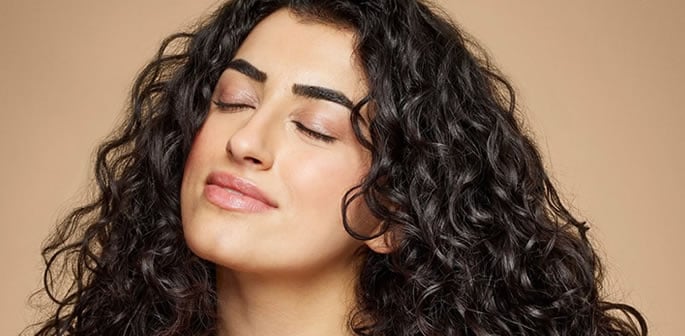
But attitudes are changing. TikTok is now full of girls embracing their curls, sharing product recommendations and showing others how to bring out their natural texture.
Perhaps what was once dismissed as frizz was simply hair that hadn’t been given the right care.
Maybe it wasn’t frizz. Maybe it was your curls all along.
Why South Asian Hair Was Always “Tamed”
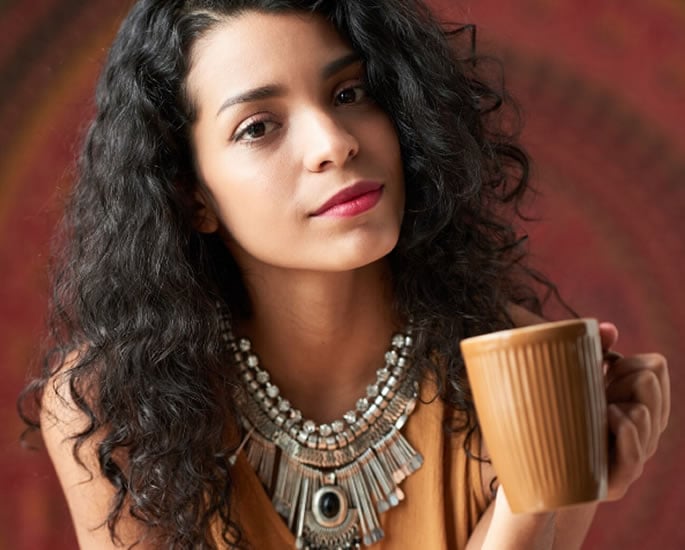
For many South Asian girls, haircare was never really about understanding their natural texture. It was about making it behave.
Thick, wavy and curly hair was often brushed, oiled and pulled into place until it looked smooth. Straight hair was seen as easier to manage, more polished and, particularly for special occasions, more “presentable”.
For many mums, these routines were simply what they had grown up with.
Oiling, brushing and keeping hair neat were familiar parts of South Asian haircare. But somewhere along the way, looking after natural hair became confused with controlling it.
Before an Eid gathering, wedding or family event, the focus was often on smoothing the hair rather than enhancing its natural curls or waves. Brushes pulled through the texture, heavy oil weighed it down and straighteners finished the job.
After years of hearing that their hair was “frizzy”, “messy” or needed to be tamed, many girls grew up believing their natural texture was the problem.
But perhaps their mums weren’t taught to embrace their curls either. They were simply passing down the haircare routines they knew.
The Difference Between Frizz and Curls
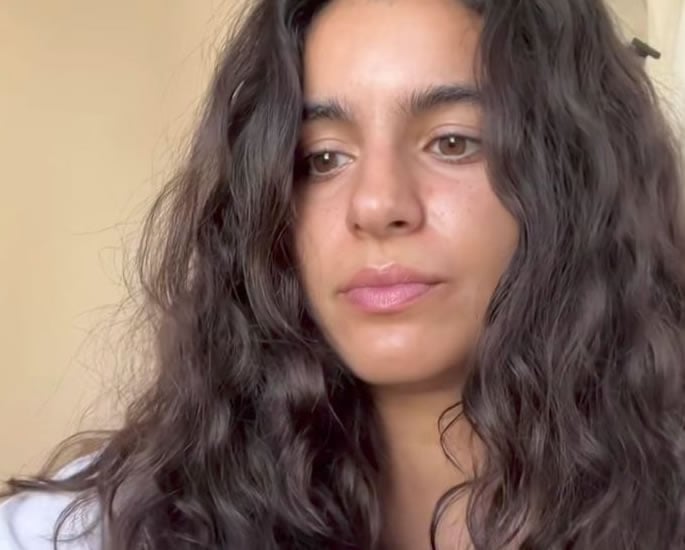
One of the biggest misconceptions many South Asian girls grew up with was not knowing the difference between frizz and natural curls.
For years, fluffy hair was something many wanted to get rid of. If their hair looked big or wouldn’t sit flat, the instinct was often to brush it out, add more oil or tie it back.
Brushing curly hair when it is dry can separate the curl pattern, leaving it looking bigger, fluffier and less defined.
Rather than allowing the curls to retain their natural shape, many were unknowingly brushing them out and wondering why their hair looked so messy afterwards.
But having curly hair doesn’t mean constantly trying to flatten it. Learning how to work with its natural texture, rather than against it, can make a difference.
Products such as curl creams and mousses can help enhance definition, while using the right styling techniques can help manage unwanted frizz.
But My Mum Always Oiled My Hair
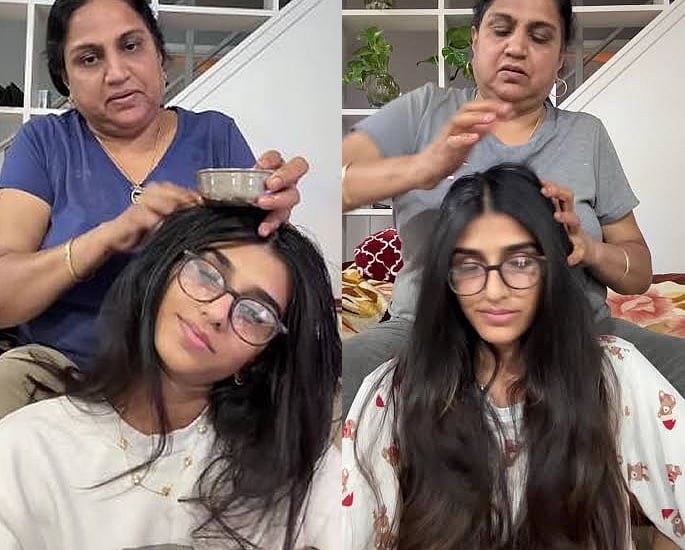
For many South Asian families, hair oiling is more than a beauty routine. It is a tradition passed down through generations.
Coconut, mustard and amla oils have long been used by mothers and grandmothers as part of their haircare routines.
So when mums told their daughters to “put some oil in it”, they weren’t necessarily wrong. The problem was that oiling alone doesn’t address all the needs of wavy and curly hair.
Hair oils can help reduce friction, smooth the hair and limit moisture loss, depending on the type of oil and how it is used. However, they don’t replace conditioner or other products that help keep hair hydrated and manageable.
Curly and wavy textures can benefit from suitable conditioning products, leave-in treatments and gentle styling techniques.
For many girls, the routine was simple: oil it, brush it and tie it up. There was little discussion about curl patterns, conditioning or how different textures needed different care.
And that is where the gap was.
Mothers passed down the haircare knowledge they had inherited. Now, a new generation is learning more about the textures they were born with and discovering that looking after natural hair doesn’t mean trying to make it straight.
Learning Your Curl Pattern Later in Life
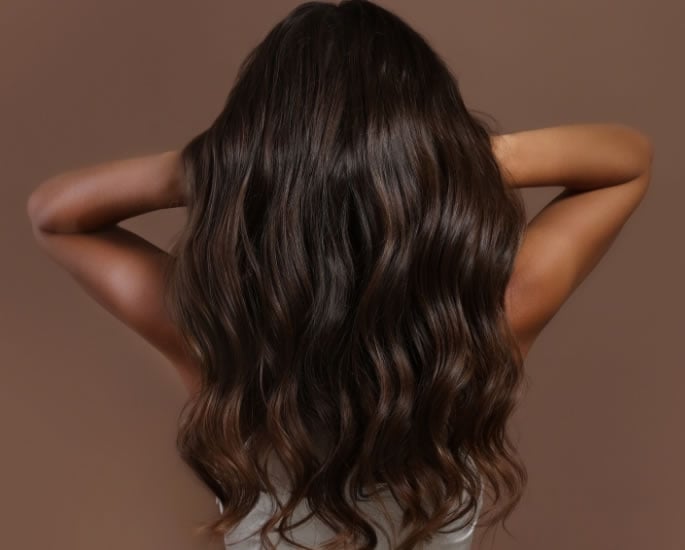
For some British South Asian women, discovering their natural hair texture happens much later than it should. It can take until their twenties to realise that the hair they spent years brushing, straightening and tying back needs a different approach.
Then comes the experimenting.
Dry brushing stops, leave-in conditioners make an appearance and scrunching replaces pulling the hair straight.
Curl creams and gels become part of the routine, sometimes revealing curls that were barely visible before.
Social media has played a huge role in this discovery. TikTok and Instagram have made curl routines, product recommendations and styling advice more accessible, giving women access to information they may never have received growing up.
For some, it can feel like learning an entirely new language. Porosity, curl patterns, plopping, scrunching and diffusing suddenly become part of the conversation.
And perhaps the biggest revelation is realising that the hair they spent years trying to tame may simply have needed a different kind of care.
Your Hair Doesn’t Need to “Behave”
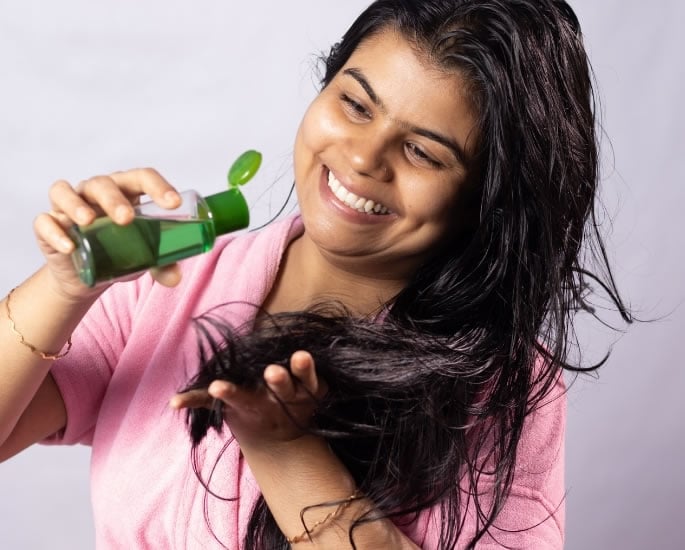
For years, many South Asian women were taught that good hair was hair that stayed in place. No flyaways, no volume, no frizz – just smooth, straight and controlled.
But curly and wavy hair doesn’t always work that way. Its appearance can change depending on the weather, humidity, products and even how it is styled or cared for. That doesn’t make it messy or unmanageable. It’s simply part of having textured hair.
Embracing natural hair doesn’t mean rejecting the traditions passed down through generations. Oiling, taking pride in looking presentable and sharing haircare routines with family can all remain part of that relationship.
It’s about recognising that there isn’t just one way for hair to look good.
Straightening your hair for a wedding shouldn’t feel like an expectation, just as wearing your curls naturally shouldn’t require an explanation. Women should be able to choose how they wear their hair without feeling pressured to change its texture to meet someone else’s expectations.
Natural hair doesn’t need to behave. It just needs to be understood.
For many British South Asian women, learning to embrace their natural curls is about more than finding the right shampoo or styling products. It’s about unlearning years of believing their hair was too big, too fluffy or too difficult to manage.
The traditions passed down by mums and grandmothers don’t have to be abandoned, but there is room to learn new ways of caring for the hair that has always been there.
Perhaps the next generation of South Asian girls won’t grow up thinking their curls need to be straightened, brushed out or hidden away.
Instead, they’ll have the knowledge and confidence to look after their natural texture from the start.
Because curly hair was never something that needed fixing. It just deserved to be understood.