



































“Going back made me realise the privilege I actually have."
Returning to Pakistan as a British South Asian woman in her twenties can stir complex and unexpected emotions. The experience brings questions of belonging, heritage and the contrasts between two cultural identities.
Surrounded by family and reconnecting with heritage can feel deeply meaningful. Yet everyday attitudes can also reveal stark differences.
This prompts reflection on the freedoms often taken for granted when living in the UK.
A TikTok video discussing the experience of encountering ingrained misogyny while visiting Pakistan attracted considerable attention online.
The post sparked conversations across the South Asian community about gender expectations and cultural identity.
Responses included women sharing their experiences of restrictions and inequality, while men reflected on the differences they noticed when visiting Pakistan.
However, alongside these discussions, some comments accused the creator of hating Pakistani culture simply for highlighting misogyny.
This reaction raises an important question: why is criticising misogyny sometimes treated as an attack on an entire culture?
The Experiences of British South Asian Women
One of the most significant aspects of the discussion was the number of people who recognised the contrast between their experiences in Britain and those of relatives living in Pakistan.
One commenter highlighted the additional barriers women can face when attempting to leave an unhappy marriage, writing:
“Women have less rights, so they are forced to stay with men more often than not. You can’t just go by appearances. The process for women to divorce in Pakistan is also significantly harder than it is for men.”
The commenter also discussed the social stigma surrounding divorce and the different legal processes available to husbands and wives.
There are important distinctions within Pakistani family law. A husband can initiate talaq through a prescribed legal process. In contrast, a wife may pursue khula through the Family Court or seek dissolution on specific legal grounds.
The financial consequences can also differ depending on the route taken and the circumstances of the marriage.
Although the legal position is more nuanced than a simple comparison, the comment highlights a wider concern. Having a legal route to leave a marriage does not mean women face no social, financial or practical barriers.
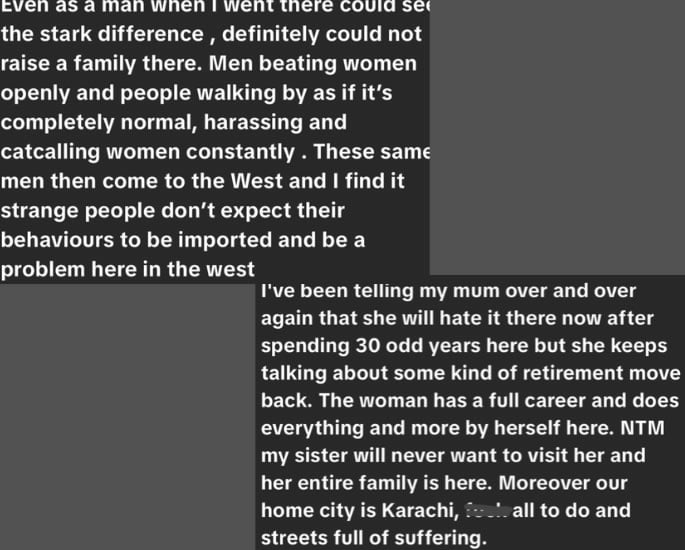
Another commenter raised concerns about their mother, who had spent more than 30 years living in Britain but continued to discuss retiring in Pakistan.
They explained that their mother had built a full career and independent life in the UK. They also questioned whether returning would offer her the same opportunities and independence.
Neha, a 22-year-old from the UK, also reflected on how returning to Pakistan had made her more aware of the opportunities and independence she had growing up in Britain:
“Going back made me realise the privilege I actually have. Obviously, I was aware of it, but to actually see it, I don’t know, it was sad.
“The fact that I get to continue living my life whilst some women are stuck in that society and will end up just marrying and becoming housewives with no dreams to live for.”
She also highlighted the impact of societal expectations on women’s education and ability to make independent choices:
“The aspects of misogyny are hard to ignore.
“Women often cut their education short because the society there makes women believe that their role is to be a housewife and get married rather than have ambition.
“Some of these women aren’t necessarily happy with the lives they’ve ended up with, but they realise they genuinely don’t have a choice. Realising this just shows the privilege that I have in being able to choose my own life and being fully supported by my mum in that choice.
“I love Pakistan, but knowing someone my own age does not get the same opportunity is hard to ignore.”
Her reflections highlight how returning to Pakistan can bring certain privileges into perspective. This is particularly true when it exposes the different opportunities available to women depending on their circumstances.
For some, Pakistan represents belonging and familiarity. For others, the prospect of returning can raise concerns about the freedoms and independence they have become accustomed to in Britain.
Why Is Women’s Clothing Still Used to Address Misogyny?
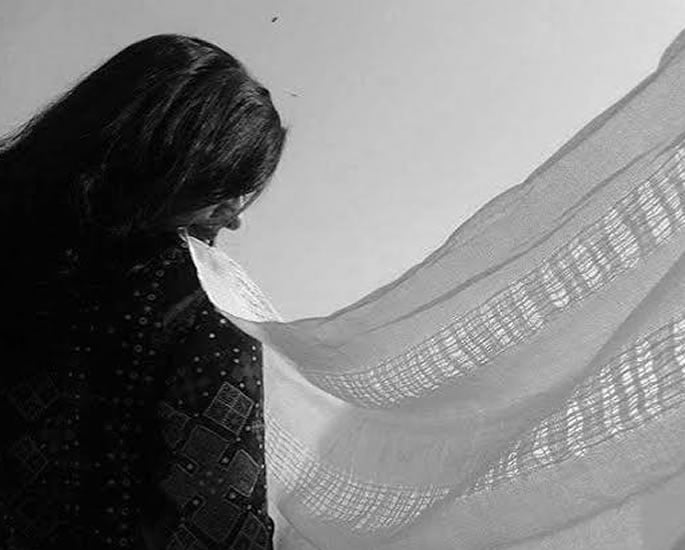
Another recurring concern was the normalisation of staring and unwanted attention towards women in public spaces.
During visits to Pakistan, some British South Asian women may encounter expectations to adjust their dupatta, cover their hair or wear a veil. This often happens when experiencing unwanted attention from men.
This raises an important question: why is the immediate response so often directed at what a woman is wearing, rather than the behaviour of the person making her uncomfortable?
Pakistan’s legal framework does recognise certain forms of harassment. Section 509 of the Pakistan Penal Code addresses conduct intended to insult a woman’s modesty. This includes certain words, sounds and gestures, as well as sexual harassment.
However, the existence of legislation does not automatically mean women feel protected or that unwanted behaviour is effectively challenged.
The contradiction is that women can be made to feel responsible for preventing attention they never invited in the first place.
Wearing a dupatta or face veil does not guarantee that a woman will be left alone. Modesty should be a personal choice, not something imposed as a solution to men’s behaviour.
This is not to suggest that every woman who wears a dupatta does so under pressure. Many women choose to wear one for religious, cultural or personal reasons.
The issue is the expectation that women must cover themselves to avoid being judged or harassed.
Men are Noticing the Difference Too
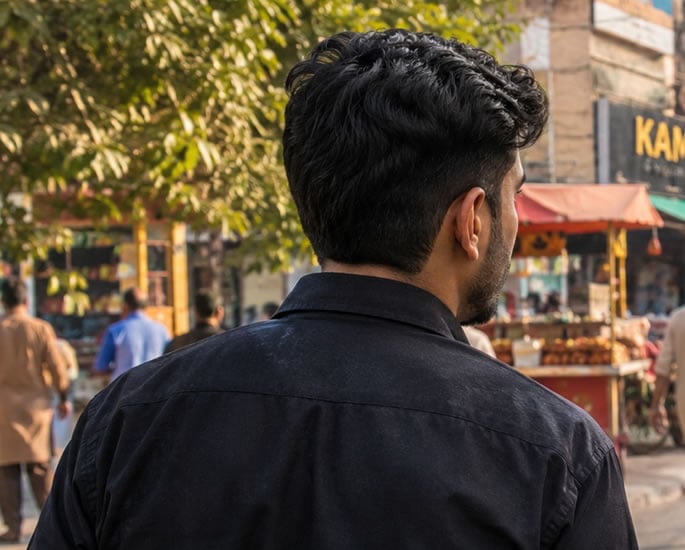
Another aspect of the discussion was the number of men who shared their own observations about gender inequality and everyday behaviour in Pakistan.
One commenter described the differences they noticed during a visit, writing:
“Even as a man, when I went there, I could see the stark difference. Definitely could not raise a family there.
“Men beating women openly and people walking by as if it’s completely normal, harassing and catcalling women constantly.”
He also questioned why conversations about behaviour become particularly uncomfortable when they involve communities living in the West.
Their contribution demonstrates that discussions about misogyny are not exclusively shaped by women’s perspectives. Men can also recognise inequalities and behaviours that affect the women around them.
Another reflected on how visiting Pakistan had made them more appreciative of the rights and freedoms available to women in Britain, writing:
“Even as a guy, I noticed so many rights women don’t have there. It’s kind of sad, makes you more grateful for what you have.”
These experiences are not necessarily representative of every person’s life in Pakistan. The country is home to women with very different backgrounds, opportunities and experiences.
Many women also continue to challenge inequality within their own communities.
However, listening to these accounts is important because it allows people to discuss the realities they encounter without dismissing them.
Criticising Misogyny Is Not Hating Your Culture
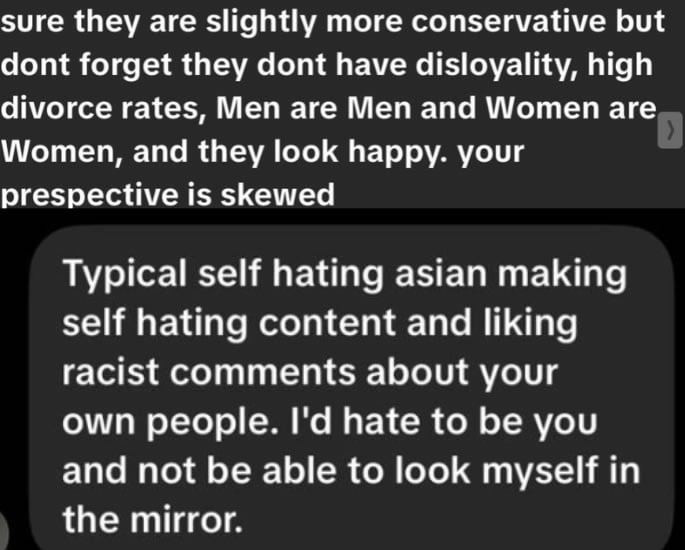
Not every response to the TikTok discussion was interested in having that conversation.
Some accounts used the discussion to promote anti-South Asian sentiment. They suggested that experiences of misogyny were evidence that an entire culture should be rejected or excluded.
However, there is a difference between acknowledging misogyny within a community and using that conversation to attack an entire population.
Equally, discussions about women’s experiences should not become an opportunity to promote Islamophobia or portray a religion as responsible for every cultural practice or social problem.
South Asian culture is not one single experience. It encompasses different languages, traditions, communities, histories and perspectives, and continues to evolve.
People should be able to question harmful attitudes within their communities without feeling that they are betraying their heritage.
Having these conversations can also be part of caring about the communities people belong to. Additionally, wanting better opportunities and greater freedoms for women does not mean rejecting where they come from.
What Does It Mean to Feel at Home in Two Cultures?
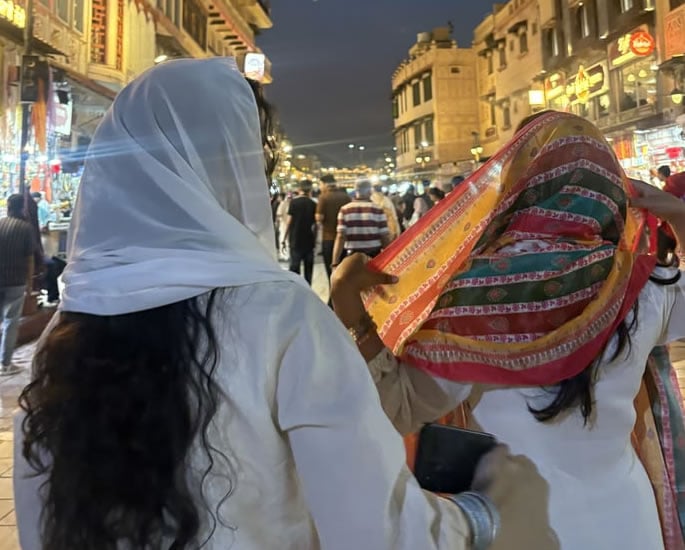
For many British South Asians, identity can be complicated. It is possible to feel deeply connected to Pakistan while recognising that everyday experiences and expectations have been shaped by growing up in Britain.
Visiting Pakistan can bring a sense of belonging, familiarity and family connection. However, it can also highlight differences in the freedoms and social expectations women experience.
This does not mean Britain is free from misogyny or that women here do not face inequality.
Harassment, domestic abuse, discrimination and gender-based violence remain serious issues in the UK.
The point is not to present one country as perfect and another as entirely flawed. It is to recognise that different societies have different challenges, and that these should be discussed honestly.
For some British South Asian women, the experience can bring a renewed appreciation of the freedoms available in Britain, particularly the ability to make decisions about appearance, independence and everyday life.
Ultimately, being proud of one’s heritage should not mean overlooking the things that need to change.
People should be able to love their culture, question its expectations and still feel that they belong.