














































"I don't know what message we're giving to society.”
Pakistani drama Dar-e-Nijaat has sparked debate online over its portrayal of women’s clothing, faith and relationships.
Viewers have questioned the significance of Zaryab’s changing wardrobe and how her relationship with Zamil is presented as the storyline unfolds.
While some have defended Zaryab’s personal choices, others believe the drama raises uncomfortable questions about how women are judged in South Asian society.
In particular, the discussion has centred on whether modesty is being treated as a measure of a woman’s morality and whether her appearance or sexual history should influence how she is perceived.
The debate has also brought wider attention to purity culture and the double standards women continue to face.
Why has Zaryab’s Wardrobe Sparked Debate?
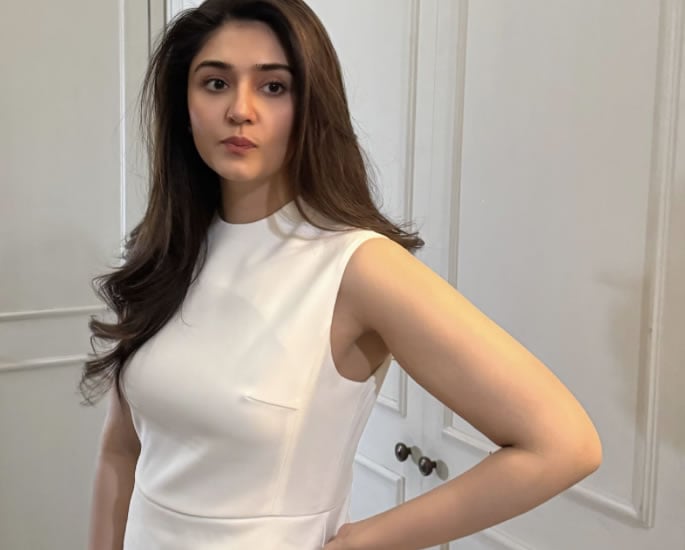
One of the latest talking points surrounding Dar-e-Nijaat is a scene in which Zaryab decides against wearing a sleeveless dress to her sister’s birthday celebration because she feels it is too revealing.
TikTok account CFR Studio highlighted the scene in a post titled ‘Dar-e-Nijaat’s sleeveless dress scene sparks debate amongst viewers’.
The post explained that some viewers felt the storyline unnecessarily connected a woman’s clothing choices with her personal or spiritual transformation, while others believed Zaryab was simply making an individual decision as her understanding of modesty evolved.
Creator Rukhmah also questioned the sudden change in Zaryab’s wardrobe, asking:
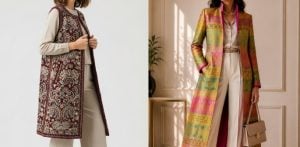
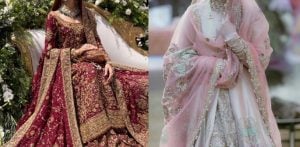
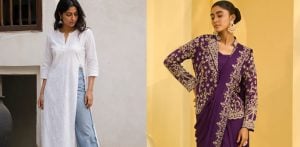
“Why is shalwar suit and dupatta still a symbol of modesty, but modern clothing is still seen as immodest? I don’t know what message we’re giving to society.”
Her comments prompted further discussion, with one viewer agreeing that the storyline could create the impression that women who do not wear traditional clothing are somehow immodest.
However, another viewer offered a different perspective, arguing that the scene could be understood as a metaphorical representation of Zaryab trying to better herself.
They also pointed out that being modern is a mindset, rather than something determined by clothing, adding that scripts can be flawed without Islam itself being at fault.
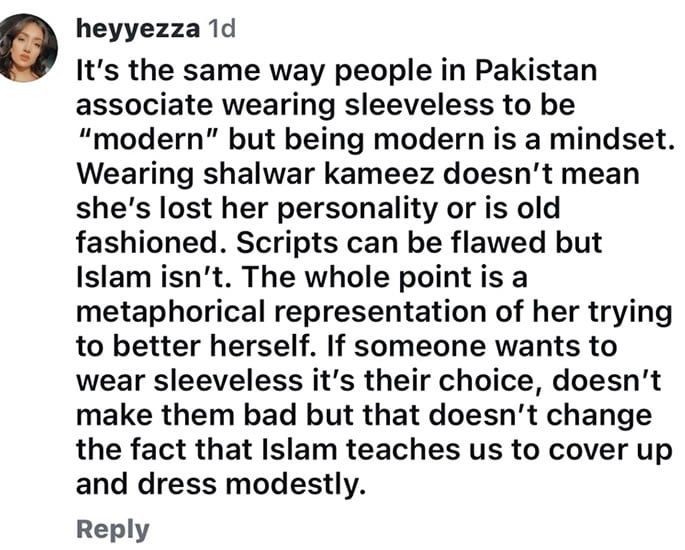
The debate raises an important question: why are certain outfits so often used to represent a woman’s religious commitment or personal development?
What did Dur-e-Fishan Saleem Say About the Controversy?
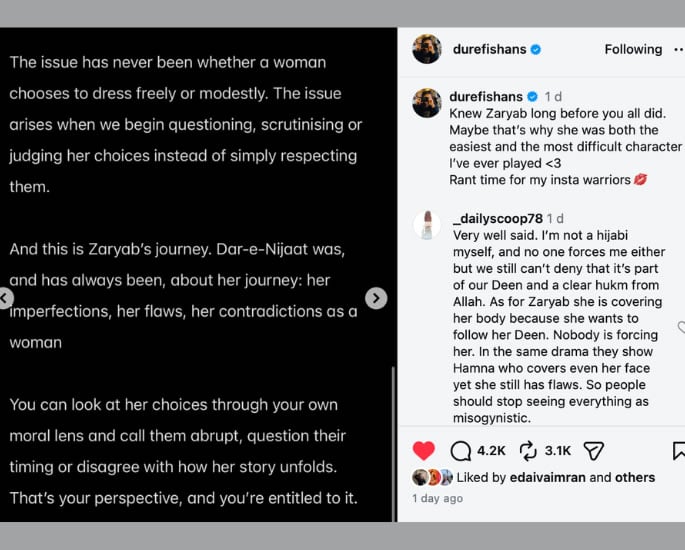
Following the discussion, Dur-e-Fishan Saleem, who plays Zaryab, shared a lengthy response on Instagram, offering her perspective on the character’s decisions.
She explained that she believes faith begins with internal transformation, including how a person treats others, views the world and develops their relationship with Allah.
However, she also acknowledged that personal spiritual growth can sometimes influence external choices, including the way someone dresses.
Dur-e-Fishan clarified that she wears sleeveless clothing herself and feels comfortable doing so, emphasising that her own relationship with modesty should not become a reason to judge another woman’s choices.
She wrote: “The issue has never been whether a woman chooses to dress freely or modestly.
“The issue arises when we begin questioning, scrutinising, or even judging her choices instead of simply respecting them.”
She also defended Zaryab’s storyline, explaining that Dar-e-Nijaat has always been about her character’s journey, including her imperfections, flaws and contradictions.
Her response brings another perspective into the discussion.
Women should be able to choose traditional clothing, contemporary fashion or anything in between without having their morality questioned. However, viewers can still question the way television represents those choices and the messages attached to them.
What is Purity Culture in Dar-e-Nijaat?
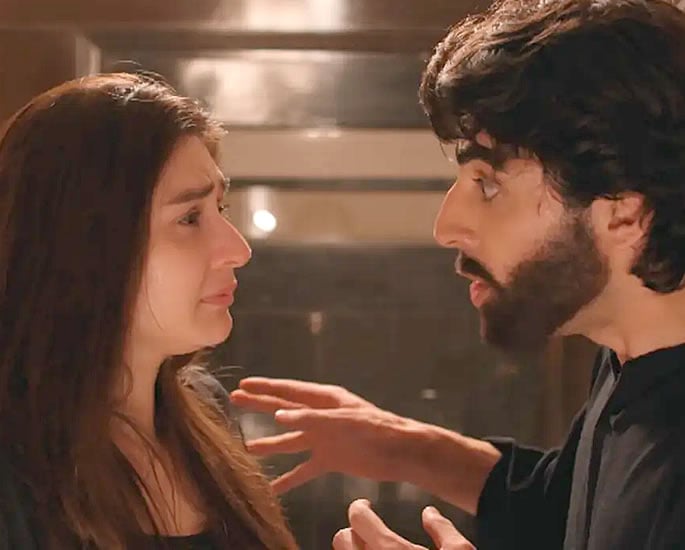
Beyond the wardrobe debate, Dar-e-Nijaat has also opened up conversations about purity culture and the different expectations placed on men and women following intimate relationships.
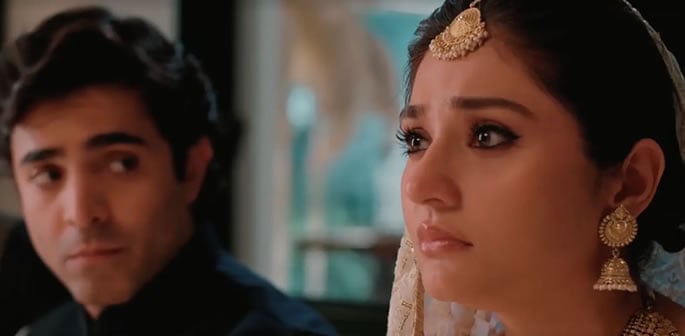
Earlier in the drama, viewers questioned whether Zaryab and Zamil had been physically intimate after a scene showed Zaryab returning home late following the baraat.
When someone asked writer Umera Ahmed whether the scene was intended to suggest that the pair had been intimate, Ahmed confirmed that it was.
The revelation prompted further reactions online, including from Kay Watches Dramas, a creator who reviews Pakistani television dramas and discusses their wider social themes.
In her Urdu-language commentary, she questioned why viewers were so shocked by the revelation, pointing out that the relationship had already been established in the earlier episodes.
She also reminded viewers that the protagonist was an adult, saying: “Zaryab is not a minor.”
Her wider argument challenged the way audiences were portraying Zaryab as helpless, highlighting that she had also made decisions within the relationship.
However, the more significant conversation concerns what happens to Zaryab after the relationship comes to an end.
Why is Zaryab Being Judged for Her Past?

One of the most uncomfortable aspects of the storyline is the way Zaryab’s past relationship appears to affect how Zamil views her.
Zamil’s attitude towards Zaryab raises questions about the idea of a woman becoming ‘tainted’ following intimacy with a man.
The suggestion that her past makes her less worthy of love, commitment or marriage reflects a deeply ingrained double standard that continues to affect conversations around women’s sexuality.
It also raises questions about the difference between repentance and judgment. If a man can move forward from his past, develop his faith and seek a different future, why should a woman be denied the same opportunity?
This is where purity culture becomes particularly relevant.
Women are often expected to maintain an image of innocence and respectability, with their sexual histories treated as a measure of their character. Meanwhile, men’s experiences can be viewed through an entirely different lens.
The issue is not whether people should have personal values surrounding intimacy or relationships. It is why those expectations are so frequently applied differently depending on gender.
Is Pakistani Television Reinforcing These Expectations?
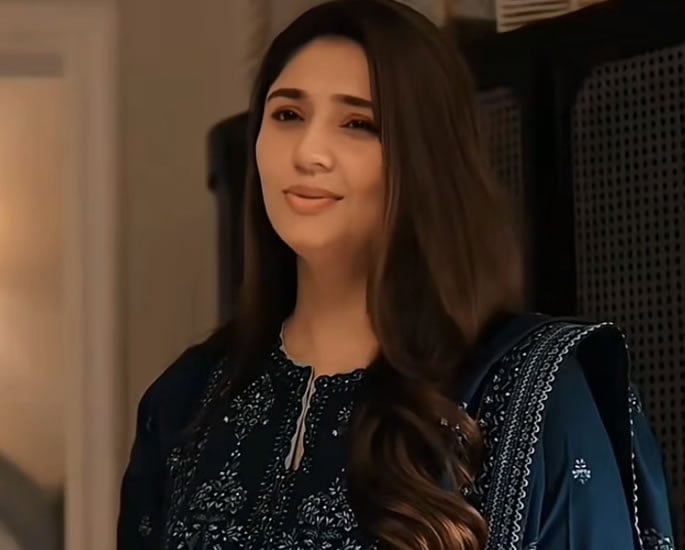
The conversations surrounding Dar-e-Nijaat highlight the influence Pakistani dramas can have on the way audiences understand relationships, religion and women’s roles within society.
There is nothing inherently wrong with a character choosing to dress more modestly as part of her personal journey, just as there is nothing wrong with a woman feeling comfortable wearing sleeveless clothing.
However, when changes in appearance become closely associated with a character’s moral or spiritual improvement, it is understandable that viewers begin questioning the message being communicated.
Similarly, portraying a woman’s sexual history as something that makes her less deserving of respect risks reinforcing the very attitudes that many viewers are challenging.
Ultimately, Zaryab’s story has opened up a much wider conversation about modesty, faith, sexuality and the expectations placed on South Asian women.
Viewers do not have to agree with every creative decision in the drama, but the discussion raises an important point: a woman’s clothing, relationships or past should not become the sole measure of her character.