














































Kabaddi needs little space, suits mixed abilities and works in any sports hall
Kabaddi has been played in British community halls, university clubs and park tournaments for decades, usually out of sight of the wider sporting public. Ask most people outside the South Asian diaspora about it and you still get a blank look.
That is beginning to change. The 2025 Kabaddi World Cup in the West Midlands was the first held outside Asia, and both England teams finished as runners-up.
The harder question is what happens next. A strong tournament gets headlines, but mainstream status needs coaches, venues, broadcasters and a story the public can follow week after week.
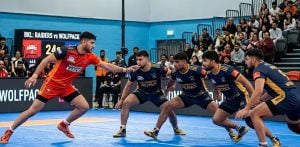
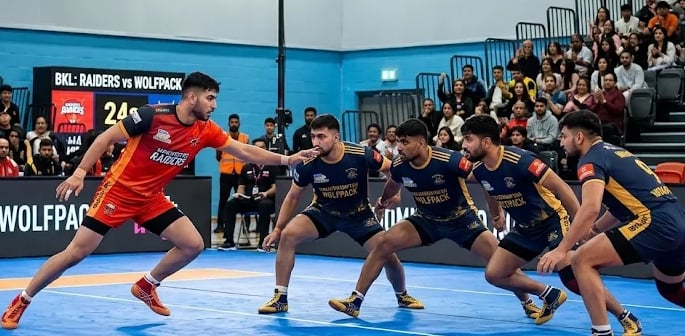
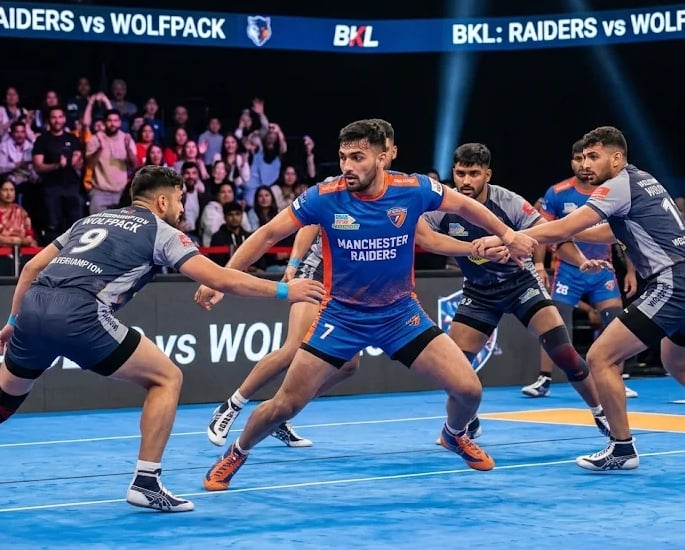
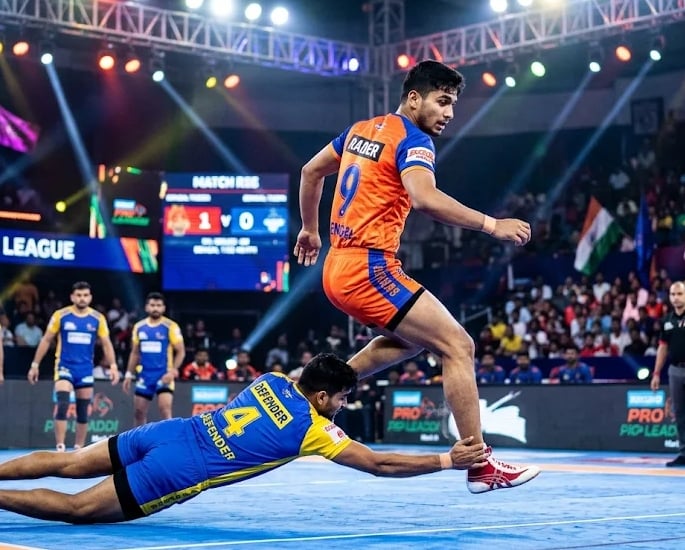
Kabaddi is a contact sport between two teams of seven. A raider crosses into the opposition half, tags defenders and tries to escape before being tackled.
A first-time viewer can follow a raid within a minute, which is more than rugby or cricket can claim. That clarity is the sport’s best marketing tool.
Cost helps too. Kabaddi in the UK links part of its growth to the cost-of-living crisis, because the game needs a mat and players rather than expensive kit or pitch hire.
A Bigger Platform than Ever
British interest is older than many assume. Kabaddi reached a wider audience on Channel 4 in the 1990s, and the growth of the South Asian community has sustained it since.
The England Kabaddi Federation says it has built clubs, leagues and routes into international competition.
It has also pushed to include players from outside traditional kabaddi communities, which is where growth will have to come from.
That second goal matters most. A sport that recruits only from families who already play it stays a community pastime, however good its players are.
The global picture is shifting as well. The inaugural Commonwealth Kabaddi Championship in Ahmedabad last month brought 13 nations together, England and Scotland among them, and organisers want kabaddi to become a medal sport at future Commonwealth Games.
Ahmedabad hosts the 2030 Games, which is why it was chosen.
A medal slot would give British kabaddi something it lacks today: public funding routes and guaranteed television time.
World Kabaddi president Ashok Das has said the aim is the Commonwealth Games and then the Olympics. That ambition is bold, but it only works if domestic structures are strong enough to field credible British teams.
The tournament also showed how far England still has to go. India’s men beat them 46-26 on the opening day, a reminder that British talent is raw next to a professional system.
Politics intruded as well. Pakistan did not travel after its government refused permission, and a sport chasing Olympic-style legitimacy cannot afford to lose its biggest rivalries.
Two Federations, One Problem
Mainstream sports usually speak with one voice, and kabaddi does not.
Reuters reported that the England-hosted World Cup, run by the breakaway World Kabaddi Federation, would exclude national teams affiliated with the rival International Kabaddi Federation.
Even inside England, more than one organisation claims to represent the sport. Sponsors and broadcasters want clear champions and a stable calendar, and rival bodies offer neither.
Casual fans suffer most. If they cannot tell which trophy matters, they will not invest the time to care.
Football and cricket have their rows too, but each has an accepted structure sitting above them. Kabaddi needs a recognised national body with authority over rules, officials and fixtures before it can ask for serious backing.
The same report exposed a coaching gap. England player Tom Dawtrey said “we don’t have the coaches with the know-how”, so squads learn from videos and Pro Kabaddi broadcasts.
Some players quit their jobs to train in India, which shows commitment but also exposes how thin domestic pathways are. Most England internationals found the sport through community tournaments or university, and still treat it as a hobby.
Officials are another shortage. A growing sport needs trained referees, scorers and welfare officers, and those roles rarely attract the attention that star raiders do.
India’s Pro Kabaddi League, launched in 2014 and modelled on the IPL, shows what a franchise format can do.
The British Kabaddi League is a start, but it needs reliable streaming and recognisable stars.
A city-based league with short matches and clear branding could borrow from cricket’s Hundred. Fast raids and big tackles suit highlights on social media, where younger viewers already live.
Visibility and Venues
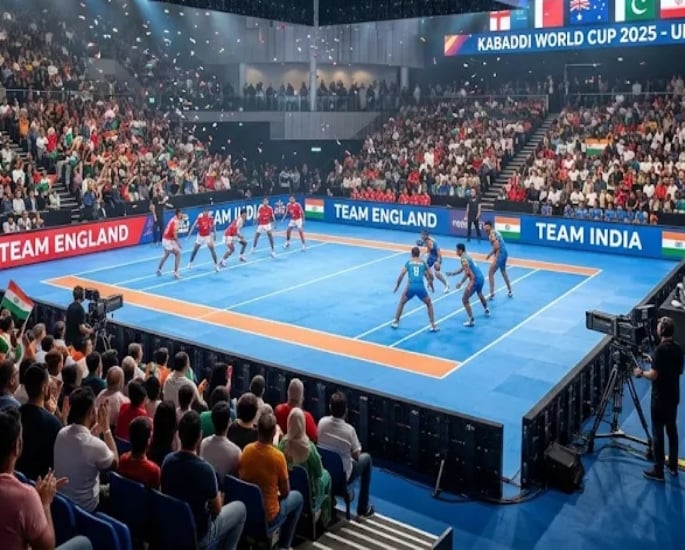
Visibility remains the biggest gap. Football and cricket appear on British screens every week, while kabaddi surfaces around major tournaments and then vanishes for months.
Regular coverage does not require a major broadcaster. Streamed league nights, short match clips and player-led social content can build a following cheaply, and kabaddi’s rapid tackles suit that format.
Venues matter too. Most British matches happen in borrowed school halls and rented gyms, which makes casual attendance awkward.
Regular fixtures at leisure centres, with permanent mats and consistent start times, would let curious locals drop in. Councils that already fund community sport could back this at modest cost.
The West Midlands Growth Company supported the 2025 World Cup as a regional showcase. More local partnerships of that kind would give clubs a stable base rather than relying on one-off events.
British Asian audiences already spend on cricket, football and live events. Kabaddi has to convert that cultural pride into ticket sales, club memberships and merchandise.
Younger British Asians are a pivotal audience. Many grew up with Premier League football and now follow Pro Kabaddi online, so a UK product that matches that polish could keep them engaged.
Kabaddi also has a reputation issue it cannot ignore. Reports note incidents of violence at UK tournaments and alleged links between some events and gang activity.
Councils, insurers and venue managers read those headlines. Licensed officials, affiliated events and visible safeguarding would separate organised sport from rowdy gatherings.
This is fixable, but only through enforcement rather than statements. One bad weekend can undo a year of positive coverage.
Women and Schools
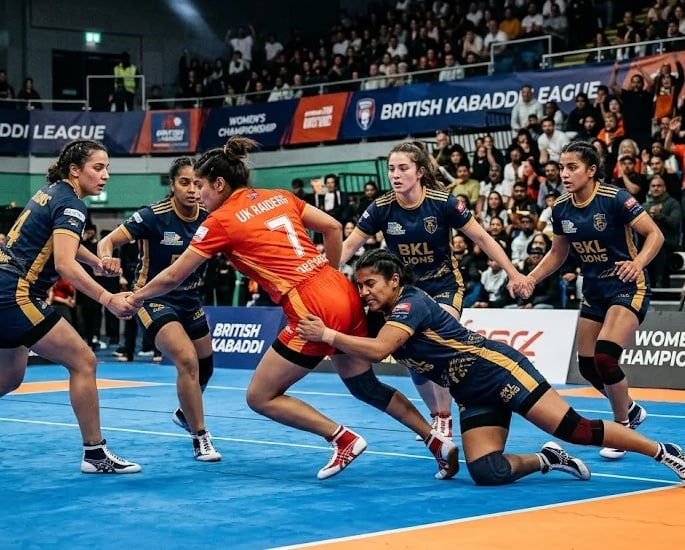
Women’s kabaddi is a quiet strength. England’s women matched the men by reaching the 2025 final, and the sport’s lack of expensive equipment makes it easier for new players to try.
Schools are the missing link. Kabaddi needs little space, suits mixed abilities and works in any sports hall, which makes it a natural fit for PE departments.
Every pupil who plays it in Year 8 becomes a potential fan, referee or volunteer. Netball and football built their bases through classrooms in the same way.
That also helps girls from non-South Asian backgrounds, who rarely see the sport at all. Visible role models from different backgrounds would widen the pool faster than any marketing campaign.
So, Can it go Mainstream?
If mainstream means rivalling football or cricket, no. If it means a recognised, regularly broadcast sport with a school presence, closer to hockey or badminton, then yes.
The ingredients are already in place: simple rules, low costs, a loyal base, a World Cup legacy and a Commonwealth bid. What is missing is organisation.
Timing helps. With a Commonwealth push live and the World Cup still fresh, the next two years offer the best chance the sport has had to get its house in order.
Clubs should use that window to recruit volunteers and build ties with schools and councils. Waiting for a breakthrough moment is a weaker plan than building one.
Three things will decide the outcome: a united governing structure, a coaching pipeline and consistent coverage. Miss one and the momentum from 2025 fades.
The World Cup proved British crowds will turn up for kabaddi. The next few years will show whether they come back.