




























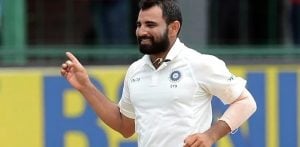




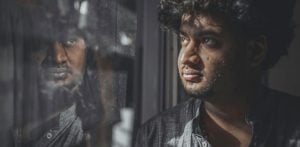









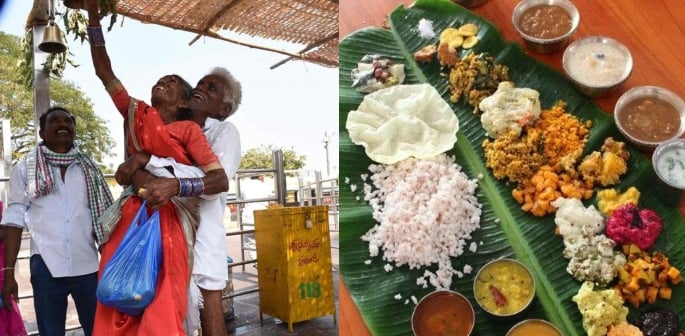
“do you speak Indian?”
“Arranged marriage” and “all Desis love Bollywood” are the clichés we hear most often about South Asian culture. The art, food, music and data tell a far more interesting story.
South Asia spans eight countries and close to two billion people. Yet popular culture often squeezes it into a wedding scene, a curry house and a dance number.
Those images shape how classmates, colleagues and casting directors see our community. They also shape how many of us are asked to explain ourselves.
So let’s retire seven of the most stubborn myths, and the evidence against each is easy to find. Here is what the archives, the screens and the surveys actually say.
All Desis are the Same
The South Asian Association for Regional Cooperation lists eight members: Afghanistan, Bangladesh, Bhutan, India, Maldives, Nepal, Pakistan and Sri Lanka. Each has its own history, politics and creative traditions.
India’s Sangeet Natak Akademi recognises eight classical dance forms, including Bharatanatyam, Kathak, Odissi and Manipuri.
Each grew from a different region, with its own language, costume and storytelling conventions.
Music is just as varied, from the Carnatic tradition of the south to the Hindustani tradition of the north.
Meanwhile, Nusrat Fateh Ali Khan carried Pakistani qawwali onto world stages.
Faith is diverse too, as Pew’s analysis of India’s census puts Hindus at about 80 per cent of the population.
Muslims, Christians, Sikhs, Buddhists and Jains make up the rest.
“Desi” works as friendly shorthand, but it should open a conversation rather than end one. Asking which region, language and kitchen someone comes from is a better start.
Arranged Marriage means Forced Marriage
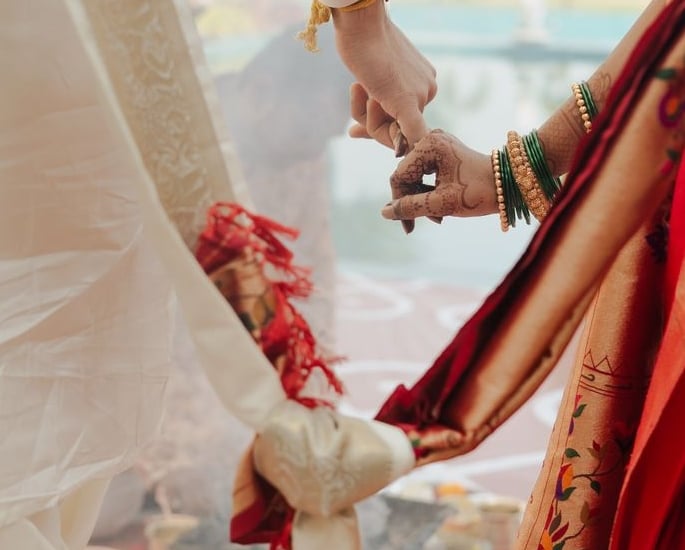
Arranged marriage means families help find a match with both partners’ consent. Forced marriage removes that consent and is a crime in the UK.
The two sit at opposite ends of a spectrum rather than on the same line. The India Human Development Survey (IHDS) of 2011-12 found that only about 5 per cent of women chose a spouse with no family input.
However, 55 per cent said they had some say in the decision, rising to 77 per cent among women with a college education. The same data shows the limits of that consent, as nearly 65 per cent of women only met their husbands around the time of the wedding.
Having input is not the same as having full choice, and an honest conversation should admit that. Forced marriage is also real, as in 2025 the UK’s Forced Marriage Unit gave tailored assistance in 406 cases.
Pakistan was the focus country in 41 per cent of those cases, which involved 34 focus countries in total.
Cases with no overseas element rose to 14 per cent of the total.
The unit itself states that forced marriage is not specific to one country, religion or culture. Treating every arranged marriage as coercion erases the many who chose freely, and it distracts from the victims who need protection.
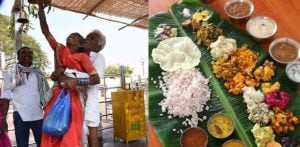
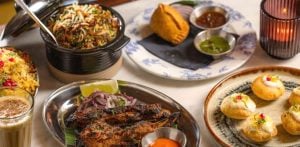
Desi food is all curry, and all spicy
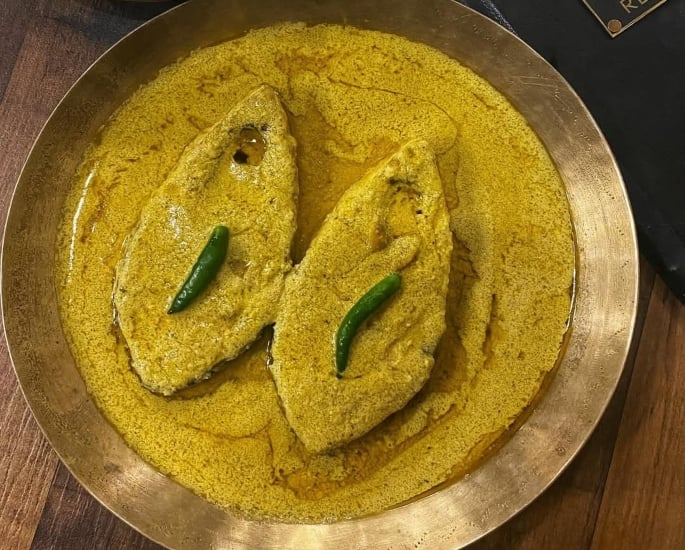
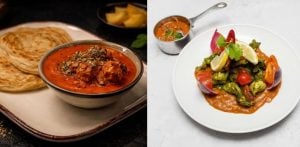
“Curry” is a catch-all label that Europeans stretched across countless regional dishes, as food historian Lizzie Collingham argues in her history of the dish.
A Kerala fish moilee, a Kashmiri rogan josh and a Bengali shorshe ilish share little beyond a continent.
Heat is optional, too. Much of Gujarati cooking leans sweet, while Bengali kitchens rely heavily on mustard oil.
Staples shift from rice in the east and south to wheat breads in the north and west. Chillies only reached the subcontinent from the Americas through Portuguese traders around the sixteenth century, so black pepper supplied the heat before that.
Think of the cuisine as dozens of regional traditions rather than one. That means ordering by region, not by spice level.
Bollywood is South Asian Cinema
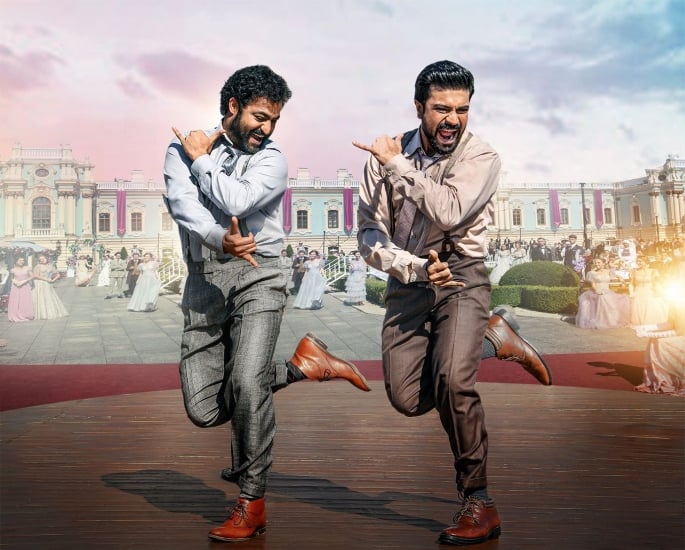
Bollywood refers to Hindi-language popular cinema from Mumbai, as Tejaswini Ganti’s guide to the industry explains. It is only one of many film cultures.
The Telugu-language film RRR won the 2023 Oscar for Best Original Song with ‘Naatu Naatu’.
Bengali filmmaker Satyajit Ray earned an honorary Oscar in 1992 for work that had little in common with a song-and-dance spectacle.
Tamil, Malayalam and Pakistani cinema keep building their own audiences. Pakistan’s Joyland even won a jury prize at Cannes in 2022.
Plenty of South Asians have never watched a Shah Rukh Khan film. Equating a region of two billion people with one city’s studios shrinks everyone involved.
South Asian Women are Universally Oppressed
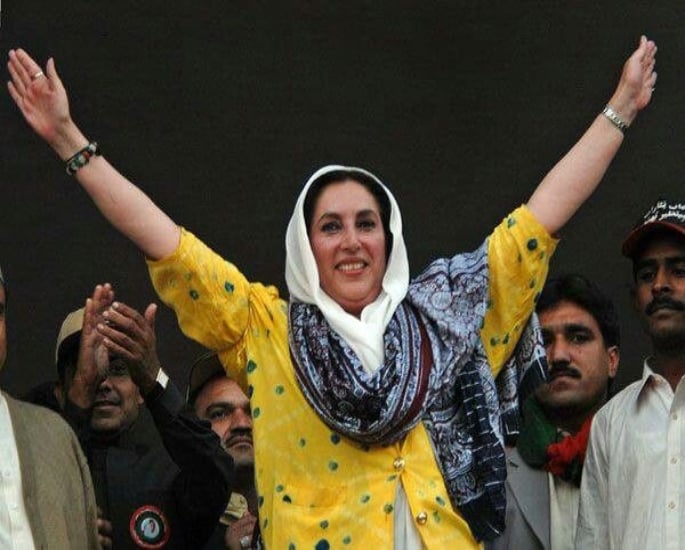
Sri Lanka’s Sirimavo Bandaranaike became the world’s first female prime minister in 1960. Pakistan’s Benazir Bhutto became the first woman to lead the government of a Muslim-majority country in 1988.
India and Bangladesh have also been led by women, among them Indira Gandhi and Sheikh Hasina.
Yet leadership at the top does not erase inequality at home.
In the 2012 IHDS, 79.8 per cent of women said they needed permission to visit a health centre. Autonomy also varies sharply by place.
The share of women with sole say in choosing their husbands was lowest in Rajasthan at 0.98 per cent, while Meghalaya reached 76.9 per cent.
Neither “all oppressed” nor “all liberated” survives contact with the numbers.
Desis are a Model Minority of Doctors and Engineers

In the UK in 2023/24, the poverty rate after housing costs was 26 per cent for people of Indian ethnicity. For Pakistani ethnicity it was 47 per cent, and for Bangladeshi ethnicity 53 per cent.
The “model minority” tale fits one subset and erases the rest.
In the three years to April 2024, 75 per cent of Bangladeshi households were in the two lowest income quintiles, the highest share of any ethnic group.
The Health Foundation links such gaps to employment, earnings, housing tenure, and discrimination in employment and services.
An ONS analysis found that Bangladeshi and Pakistani pupils eligible for free school meals scored above the national average on Progress 8.
The doctor-engineer cliché leaves no room for the struggling, the striving or the creative.
Everyone speaks Hindi
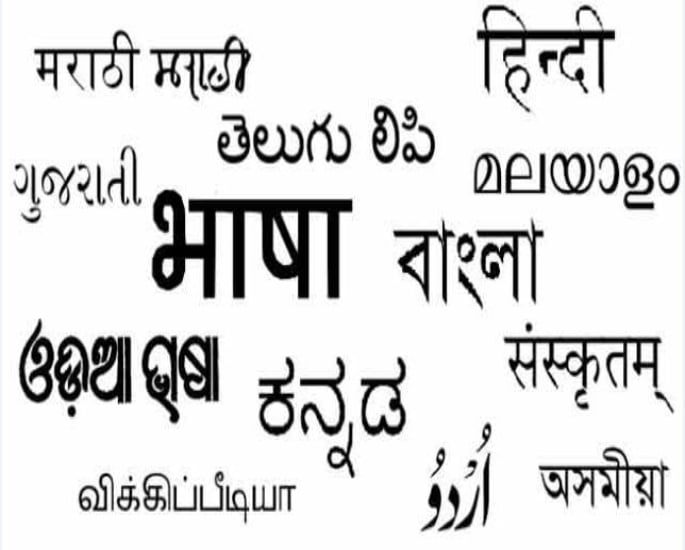
Hindi was the mother tongue of about 44 per cent of Indians in the 2011 census, and the Constitution’s Eighth Schedule recognises 22 languages. Bengali, Marathi, Telugu and Tamil each have tens of millions of speakers.
In Pakistan, Punjabi is the most widely spoken language, while Urdu was the mother tongue of under one in ten people in the 2017 census.
Bengali is Bangladesh’s national language, and UNESCO’s International Mother Language Day honours the 1952 Bengali language movement.
So “do you speak Indian?” has no answer. “Which language do you speak at home?” always does.
Myths survive because they are convenient, not because they are true. Each one falls apart when you read a census table, a survey or a film credit.
Swapping stereotypes for curiosity makes for better conversations. A region this varied deserves attention to detail.