











































Trend writers like to crown a winner every season
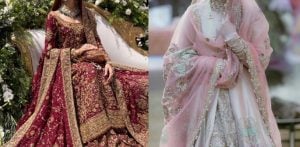
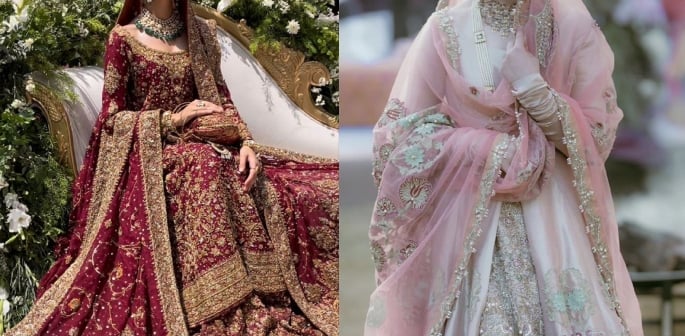
Walk into a Pakistani bridal boutique today and pastel hues now hang beside maroon and scarlet ensembles.
So are brides really turning their backs on red? The short answer is no, although the full picture is more interesting than a simple swap.
A Pakistani wedding is rarely a single event, which is why the colour question gets complicated. The mehndi, nikkah, baraat and walima each come with their own mood, and brides often change outfits for each.
Mehndi and mayun tend to stay bright, with guides listing yellow, mustard, orange, green and hot pink. That leaves the nikkah, barat and walima as the three events where the red-or-pastel question really applies.
That structure is what makes the pastel shift possible. Nobody has to choose between red and everything else, because the calendar has room for both.
Red still owns the baraat
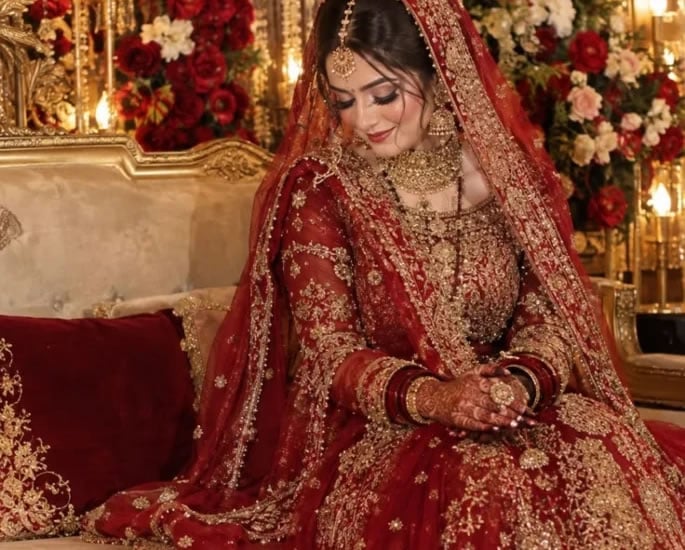
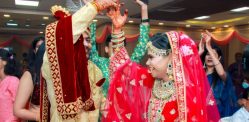
Red has been the bridal colour in Pakistan for generations, linked to love, prosperity and celebration. For many families it is simply what a bride wears when she walks into her barat.
Manchester boutique Jabeenz, which has dressed brides since 1975, says red is still the most popular choice at more than 60% of its bridal orders. It also names pastel pink and blush as the fastest-growing trend.
That is one retailer’s own order book rather than an industry survey, so treat the numbers as a guide.
Even so, other bridal guides tell the same story, with red staying firmly in place for the barat.
Brides who stay with red are also choosing it differently. Guides now name wine, maroon, rust, crimson and oxblood as the contemporary versions of bridal red.
Jabeenz says vivid red was once the standard, while newer brides choose richer shades that feel contemporary but still read as bridal red. In other words, even the classic is being edited.
Where pastels are winning
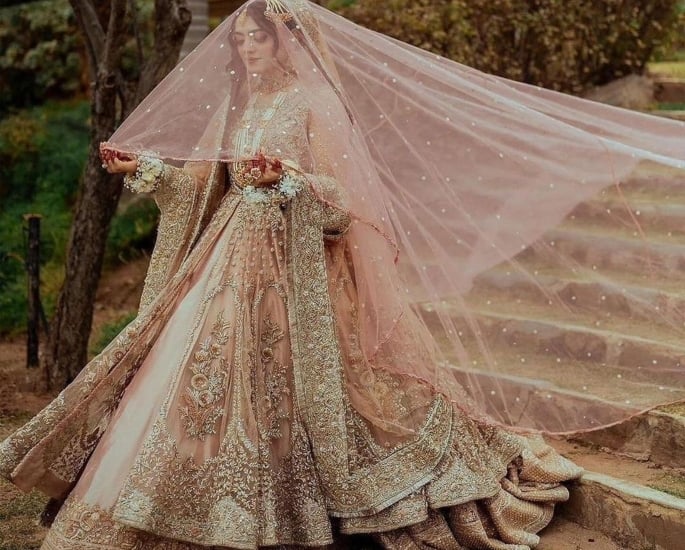
The real change is happening around the barat. Brides are far more likely to pick pastels, ivory or champagne for the nikkah and the walima.
Guides describe the nikkah as the understated, modest ceremony, suited to white, ivory, blush, mint or lilac.
The walima follows the baraat, so soft gowns, pastel lehengas and champagne or silver tones make a calm contrast to the heavy red before it.
One guide lays the week out neatly: a festive yellow or floral outfit for the mehndi, a gentle look for the nikkah, red or maroon for the barat and a pastel gown or sharara for the walima. Seen that way, red hasn’t lost its place, it just shares the calendar now.
Ice mint, pistachio, blush, peach and powder blue are now described as serious bridal choices.
They are mostly pitched at the nikkah, the walima and daytime weddings.
Several guides tie pastels to the mood of the nikkah itself. One describes soft colours as fitting for a ceremony of serenity and spiritual grace, which explains why ivory, blush and sage keep appearing there.
What a pastel bride actually wears
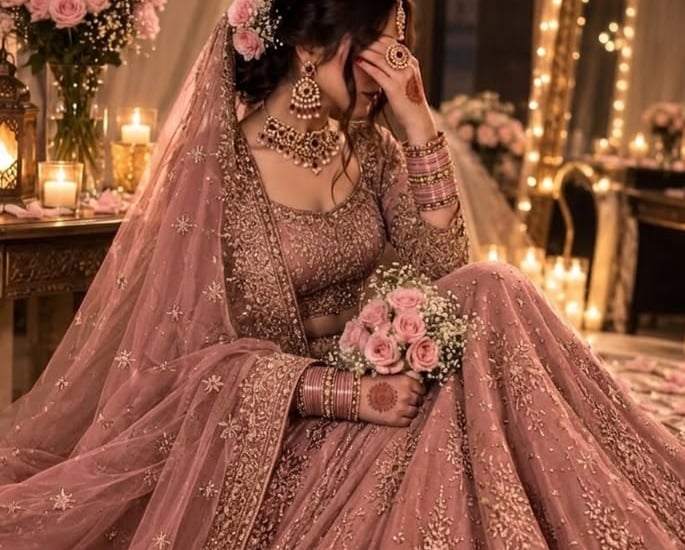
Pastel doesn’t have to mean plain. One 2026 bridal guide describes an ice mint net lehenga choli finished with dabka, crystals, pearls and sequins.
Other pieces include pastel ghararas in organza, ivory lehengas with tonal embroidery and structured anarkalis in champagne or sage green. Designers also use subtle gold and silver thread on soft shades so the outfit still reads as bridal.
Retailers say the appeal is partly practical. Lighter fabrics and less heavy embellishment suit daytime ceremonies and brides who want to move, eat and dance comfortably.
Smaller, simpler weddings may be part of the push. A Pakistani retailer’s blog says designers known for maximalist work are now running parallel minimalist lines because demand is real.
The same blog stresses that red isn’t going anywhere. Its point is that shades such as dusty rose, sage, lavender and soft peach have built their own look, rather than acting as red’s replacement.
One bridal blog argues pastels also photograph softly and are easier to edit, giving the album a dreamy look. Whether or not that holds, it shows how much brides now plan around the photographs.
The runway and the red carpet
Designers have helped the shift along. The first day of the 23rd HUM Bridal Couture Week in Lahore, in December 2025, was reported as highlighting creamy neutrals and flowing cuts.
Faraz Manan, the first Pakistani designer named to the Business of Fashion’s BoF 500 list, is among the couture houses guides link with pastel-led work.
Zara Shahjahan and Élan are also recommended for soft palettes at the nikah and walima.
Celebrity brides give the look a face. Mahira Khan wore Faraz Manan in ivory and icy blue tones for her 2023 wedding, and she is regularly cited as an example of a bride stepping away from bright red.
View this post on Instagram
The Express Tribune has pointed to Alia Bhatt’s ivory Sabyasachi saree alongside Mahira Khan’s lehenga as signs that pastels, whites and even yellows are moving to centre stage.
Soft colour is turning up in bridal fashion on both sides of the border.
Not the first swing
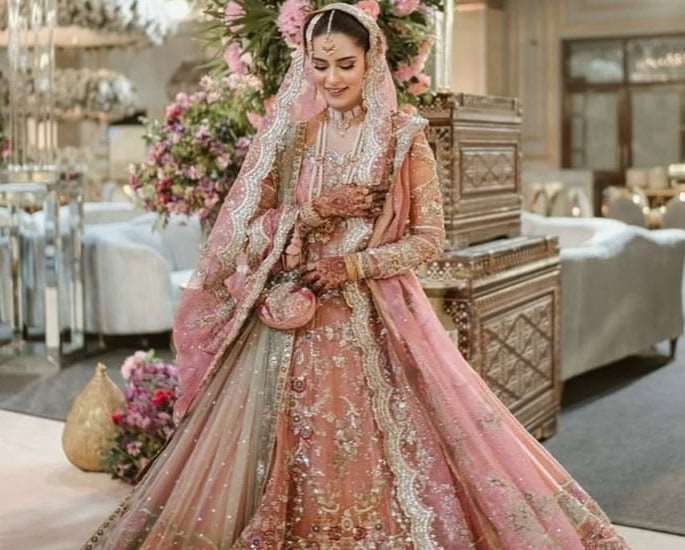
Pakistani bridalwear has swung between soft and strong colour before. Arab News previously reported that HUM Bridal Couture Week had brought back timeless red after a long spell of metallic shades.
In June 2025, Brandsynario argued the opposite, saying brides were turning down pastels for richer tones. Trend writers like to crown a winner every season, and brides rarely follow the script so neatly.
The Express Tribune noted in a piece on bridal looks that red is everyone’s colour, even for people who aren’t fond of it. That makes it a safe choice, and safe choices rarely disappear.
That back-and-forth is a good reason to be wary of headlines declaring red finished. The evidence points to pastels growing beside red, not replacing it.
British boutiques describe the same split.
Jabeenz advises red for the baraat, pastels for the nikkah and a contrasting jewel tone for the walima.
Its team also calls pastel bridal fully mainstream for 2026, and says green is growing for the nikkah because of its religious significance in Islam. That is one boutique’s view, but it fits what other guides say about the quieter ceremonies.
Families sometimes disagree about colour. A mother may expect red at the barat while her daughter wants something softer, and splitting the outfits across the days gives both of them what they want.
The practical result is two very different looks from one wedding. A pastel nikkah and a deep red barat give a bride two outfits to remember, and two sets of photographs.
Colour etiquette for guests hasn’t loosened. Guides still advise avoiding red, the bride’s colour on barat day, and bridal white or white and gold.
Pastels are widely described as fine for walima guests, which means more people in soft shades. If you are unsure whether ivory or champagne sits too close to the bride’s outfit, a quick message to the family settles it.
If you’re thinking of going pastel
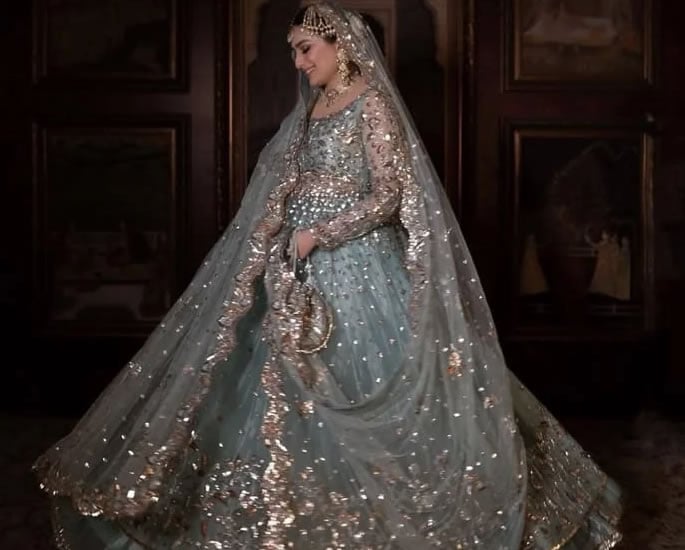
If you are weighing a pastel outfit, look at the fabric in daylight before you commit. Pale shades can read very differently under a wedding hall’s lighting than they do in a shop.
Think about the embroidery too. Tonal thread keeps the look soft, while gold or silver adds the bridal weight that red usually supplies on its own.
Decide which events the outfit needs to work for before you shop.
A colour that suits a morning nikkah may not carry an evening reception.
Ask your designer to show you how each outfit will sit next to the others. Seeing the red and the pastel together makes it easier to tell whether the week feels like one story.
The simplest test is the one brides already use. Would you still like the photographs in twenty years?
The answer depends on the day. Pastels are winning the nikkah and walima, red is holding the barat, and plenty of brides want both.
A better question for a bride might be which colour belongs to which day. Most are finding they don’t have to give up one to wear the other.