














































“These concerns are serious."
Safeguarding minister Satvir Kaur hinted at a potential ban on selling smart glasses to “certain users”, amid concerns the technology is being used to secretly film women.
In the House of Commons’ Westminster Hall, Ms Kaur said:
“The benefits of smart glasses must be weighed against the harms they can cause.
“The Government is already looking into options to restrict smart glasses in certain settings and restricting the sale to certain users – this work is happening at pace.”
The comments came as Liberal Democrats culture spokeswoman Anna Sabine warned that women were increasingly finding themselves filmed without consent, with footage subsequently shared online.
Ms Sabine, who held the debate, said that “women are reporting waking up after nights out to find videos of themselves have gone viral online, filmed without their knowledge or consent by men wearing smart glasses”.
She added: “To me, these devices not only have the potential to erode safety and privacy in public spaces, but raise really important questions about consent.”
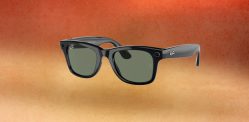
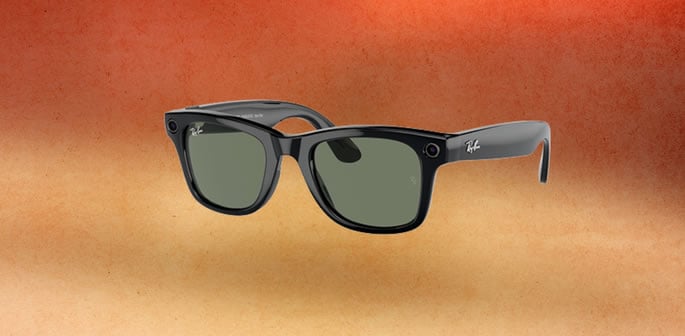
Smart glasses can feature built-in cameras, microphones and displays, allowing users to record their surroundings without holding a separate device.
However, concerns have grown over the potential for the technology to be used for covert filming, particularly in public spaces and social settings.
Ms Sabine said advertisements had promoted discreet recording as a selling point, adding that she did not want parliamentarians to “only regulate once it is too late”.
She warned that the upcoming festive season could see the devices become more widespread, saying:
“We are only 50 days from Christmas and we can expect these glasses to be sold everywhere in numbers.
“How can we put the genie back in the bottle once these glasses are being worn everywhere?
“We’ve called for them to be banned on the parliamentary estate but, frankly, everyone deserves the same privacy that we should enjoy in this place.”
Filming and photography are already prohibited in certain parts of the Westminster parliamentary estate without special permission, including the grand Central Lobby and the galleries where visitors can watch debates in the Commons and Lords.
Ms Kaur said people using smart glasses to record footage could already breach existing laws and restrictions, including when filming in courts, where cameras are prohibited.
She added that other settings, such as healthcare and education, already have safeguarding and professional policies relevant to digital recording:
“Other settings, such as healthcare and education, have existing safeguarding or professional policies that are relevant to smart glasses and any kind of digital recording.
“Both NHS England and the Department for Education are currently looking into wearable technology in certain settings as well.”
However, the minister stressed that the technology could also provide significant benefits, particularly for people with disabilities.
Ms Kaur said smart glasses “can be hugely beneficial” to some users, highlighting their potential to support people with visual impairments.
The minister added: “For example, for those that are visually impaired, smart glasses have been a game changer, helping them navigate the world around them.
“We expect all tech companies to be designing and deploying products responsibly, with privacy and safety considerations built in from the start.”
The debate also raised questions about the use of smart glasses within parliamentary institutions, where rules around recording and privacy are already in place.
Ms Kaur acknowledged concerns about smart glasses on the parliamentary estate, saying the Government was considering the appropriate response alongside parliamentary authorities.
“The Government recognises the concerns that have been raised about the use of smart glasses on the parliamentary estate.
“These concerns are serious.
“I share them and appropriate next steps are currently being considered, notwithstanding the decisions a parliamentary commission and speakers of both Houses can make on this matter.”