
















































Women have described being approached in public by men
As smart glasses become more mainstream, privacy concerns are being raised.
Led by Meta and its Ray-Ban smart glasses, sales are surging. However, there are worries about privacy, consent and surveillance in everyday life.
Videos filmed through smart glasses are increasingly appearing online without the knowledge of the people being recorded.
In many cases, strangers only discover they have been filmed after clips gain traction on social media.
While supporters argue the technology offers convenience and accessibility, critics warn that unobtrusive wearable cameras could normalise constant recording in public spaces.
The growing backlash suggests the industry may be approaching the same privacy crossroads that once derailed earlier smart glasses projects like Google Glass.
More Difficult Detection
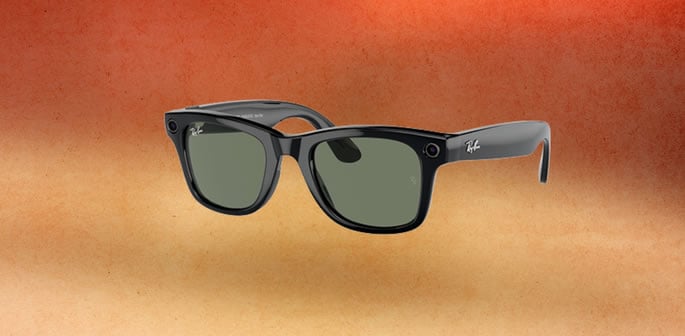
Meta’s Ray-Ban smart glasses have become the dominant force in the market.
The glasses, developed with eyewear giant EssilorLuxottica, combine traditional Ray-Ban styling with embedded cameras, microphones and speakers.
Unlike earlier wearable technology, the design intentionally avoids looking futuristic. That subtle appearance is central to both the product’s appeal and the growing controversy surrounding it.
Users can begin recording with a tap of the frame. A small light indicates when filming is taking place, but critics argue the indicator is too difficult to notice in daylight or crowded environments.
Reports of misuse are becoming increasingly common.
Women have described being approached in public by men wearing Meta glasses who secretly record conversations, interactions or flirtatious exchanges.
Some of those videos later spread across social media platforms, often attracting harassment and abusive comments.
Because photography and filming in public spaces are broadly legal in many countries, people recorded without consent often have limited options for removal or legal action.
The issue has exposed how wearable cameras challenge traditional social expectations around recording. Smartphones are visible and obvious. Smart glasses are designed to disappear into ordinary life.
That level of invisibility is precisely what privacy experts believe could become problematic if adoption expands significantly over the next few years.
The Next Major Hardware Battle
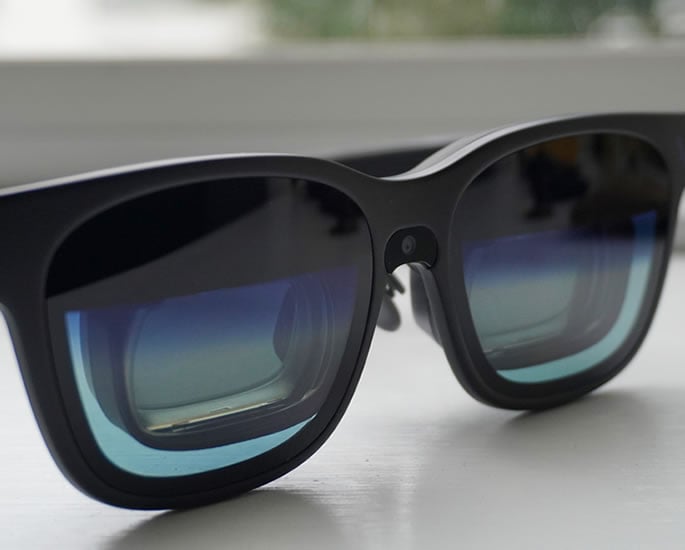
Despite mounting criticism, the commercial momentum behind smart glasses continues to grow.
Meta says more than seven million pairs have already been sold, with chief executive Mark Zuckerberg recently describing them as “some of the fastest-growing consumer electronics in history”.
The success has triggered a wider race across the technology industry.
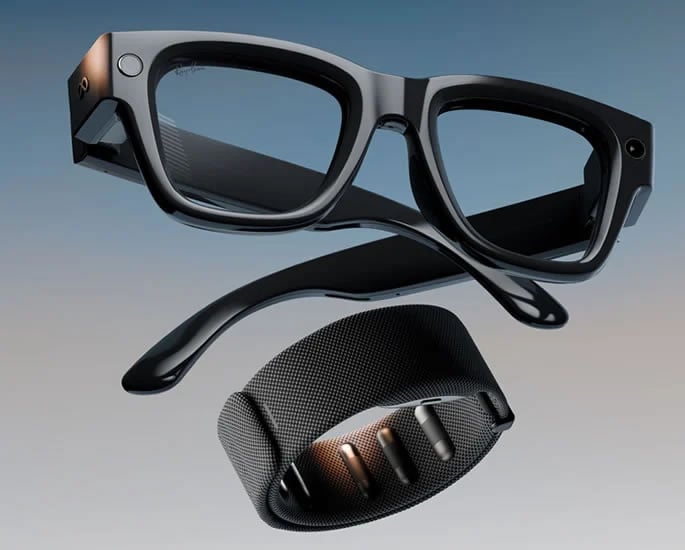
Apple is reportedly developing its own smart glasses product, while Snap plans to launch a new version of its Specs glasses later in 2026.
Google is also preparing another attempt at smart eyewear after the original Google Glass faced intense backlash over privacy concerns more than a decade ago.
Most upcoming devices are expected to combine artificial intelligence with augmented reality features. That functionality typically depends on cameras and constant environmental awareness, making privacy concerns difficult to separate from the core technology itself.
Researchers predict that as many as 100 million people could buy smart glasses within the next few years if the category continues growing at its current pace.
Such widespread adoption could create major enforcement challenges in places where recording is restricted, including hospitals, cinemas, museums, courtrooms and bathrooms.
David Kessler, who leads the US privacy practice at Norton Rose Fulbright, said businesses are already trying to understand how to respond.
“There are some pretty dark places we could go here.”
“I’m not anti-technology in any sense, but as a societal matter… will I need to think [of being recorded] anytime I go out in public?”
That concern becomes even sharper amid reports that Meta is exploring facial recognition technology for future versions of its glasses. If introduced, wearers could potentially identify strangers instantly while discreetly recording them.
Meta maintains that its products are “designed for privacy, controlled by you”.
The company advises users not to record people who object and recommends turning the glasses off in sensitive spaces.
Critics argue that those safeguards rely heavily on voluntary compliance.
Is Public Resistance Intensifying?

The tension surrounding smart glasses increasingly reflects a broader debate about surveillance culture and the boundaries of acceptable technology.
Online prank content has become one of the most visible uses of the glasses.
Viral clips frequently involve unsuspecting retail staff, commuters or members of the public being filmed for entertainment without prior consent.
Some incidents have sparked particularly strong reactions.
Online influencer Aniessa Navarro said she felt uncomfortable after discovering her waxing technician was wearing Meta glasses during an appointment.
Although the technician claimed the glasses were not recording, the experience highlighted how wearable cameras can create unease even when inactive.
Meanwhile, social attitudes toward the devices remain deeply divided.
Andrew Bosworth, Meta’s chief technology officer, recently argued that strong sales figures show smart glasses are becoming socially accepted. Yet many researchers believe the backlash is only beginning.
David Harris, a former Meta AI researcher who now advises on AI policy in the US and Europe, said:
“Technology like this is fundamentally an invasion of privacy and it’s really going to face more and more backlash.”
Signs of that backlash are already visible online.
In one widely discussed incident, a man complained after a woman allegedly broke his Meta glasses while he was recording her on the New York City Subway. Instead of sympathy, many social media users praised the woman’s reaction.
The response suggested a growing public discomfort with the idea that everyday interactions could be secretly recorded at any moment.
Smart glasses are rapidly shifting from niche gadgets to mainstream consumer technology.
For companies like Meta, Apple and Google, they represent a potential replacement for the smartphone as the next dominant personal device.
Yet the same features driving excitement around AI-powered eyewear are also fuelling serious privacy concerns.
The ability to discreetly record strangers, gather environmental data and potentially identify people in real time raises questions that existing laws and social norms may not be equipped to answer.
The debate surrounding smart glasses is unlikely to slow as more devices enter the market.
What remains uncertain is whether public acceptance will grow alongside the technology, or whether rising concerns over surveillance and consent will trigger a larger backlash against wearable AI altogether.