


















































“Run clubs are being hailed as the new Tinder"
Run clubs are quickly becoming a space to meet a potential partner.
Popular among younger generations, run clubs are drawing crowds who want something more meaningful than small talk in bars or swiping on dating apps.
The appeal lies in how naturally conversation unfolds, often over shared effort and routine.
For Gen Z and millennials, this signals a wider shift in how relationships begin and develop.
As participation continues to grow, run clubs are reshaping both social habits and modern dating culture.
Replacing Bars and Dating Apps
Run clubs have grown rapidly in the past two years, with participation data from platforms like Strava showing sharp increases.
What began as informal meetups has evolved into structured, recurring social spaces. Groups now gather outside coffee shops, parks and running tracks, often before work or at weekends, creating a consistent environment for interaction.
A key driver behind this shift is social fatigue.
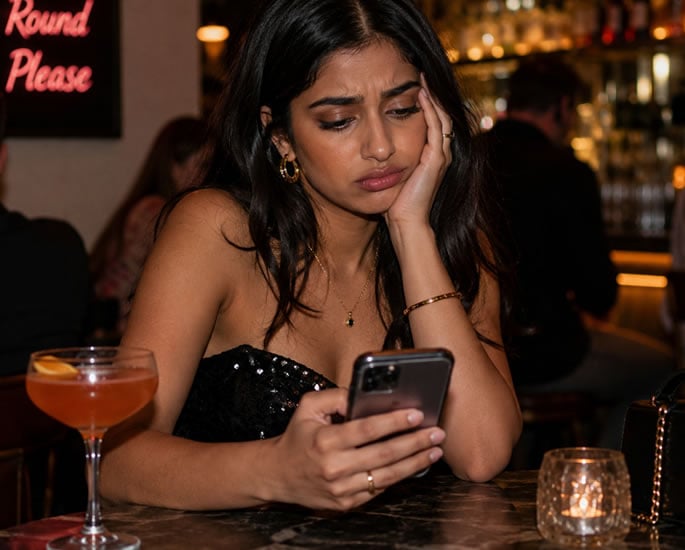
Many younger adults are moving away from environments that feel transactional or performative. Bars and dating apps often rely on quick impressions, where conversations can feel forced and short-lived.
In contrast, run clubs create space for repeated, low-pressure interactions.
According to research by LADbible Group, around 72% of Gen Z participants join run clubs specifically to meet new people. Many now view them as a direct alternative to dating apps.
That change is happening alongside broader trends.
Data from Pew Research Centre shows that at least 30% of American adults have used dating apps, with opinions split on whether the experience is positive.
At the same time, younger adults are drinking less, prioritising fitness and reassessing how they spend both time and money.
Nights out are expensive, while most run clubs are free and accessible.
There is also a behavioural advantage.
People who train together are more likely to maintain routines and report lower stress levels. That means the benefits are layered.
Participants improve their physical health while also expanding their social circles.
The result is a space where connection develops gradually, without the pressure often associated with traditional dating.
Rise of Run Club Dating
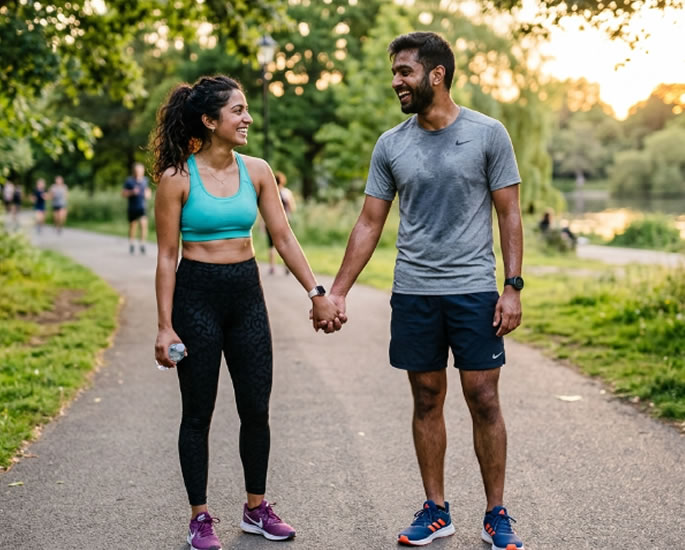
Fitness coach and content creator Tom Trotter highlighted the authenticity of these environments in an interview with Vogue:
“You’re being as real as possible.
“On a date, people are dressed up and act a certain way; maybe being a bit materialistic. You never want to build a relationship on an artificial foundation.”
That emphasis on authenticity is central to the trend.
Run clubs remove many of the curated elements that define dating apps. There are no filtered photos or carefully written bios.
Interaction happens in real time, often while people are physically exerting themselves. That shared experience can make conversations feel more genuine.
Medical expert Dr Zac Turner said: “Run clubs are being hailed as the new Tinder, and honestly, it makes sense.
“You’re meeting new people, bonding over shared suffering, and everyone’s already in activewear, which saves you from awkward first-date wardrobe decisions.
“It’s also a natural way to connect – no ghosting, no swiping through bios where someone’s only personality trait is ‘loves the gym and crypto’.
“And if nothing else, at least you walk away with a good workout.”
The underlying principle is consistent: people form stronger connections in environments built around shared interests.
Whether that is open mic nights, hiking groups or creative workshops, repeated interaction creates familiarity.
That familiarity can develop into friendship or something more, without the intensity of a formal date.
Run clubs are changing how younger adults approach both fitness and relationships, offering a practical alternative to nightlife and dating apps, grounded in routine and shared experience.
The appeal lies in their simplicity.
People show up, run, talk and return the following week.
Over time, those interactions build into something more meaningful.
While they may not replace traditional dating entirely, they reflect a clear shift towards connection that feels more direct, more consistent and ultimately more human.