

















































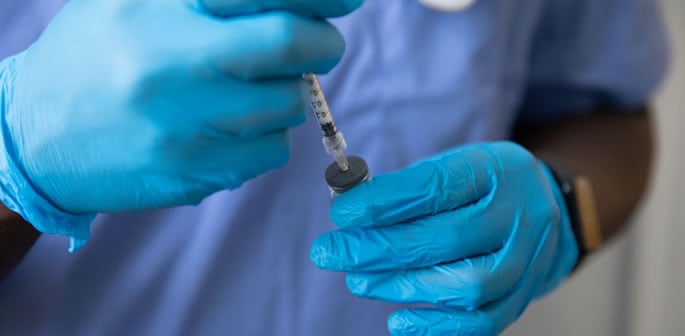
The drug is approved to treat 14 cancers in the UK.
A new injectable form of a key cancer drug could significantly cut hospital time for thousands of NHS patients across the UK.
Keytruda is already widely used to treat multiple cancers. It is a type of immunotherapy that helps the immune system attack cancer cells.
Since 2015, NHS patients have received Keytruda through an intravenous drip. This process can take more than an hour in hospital settings.
NHS England said the new injectable version reduces treatment time to just a few minutes, which could ease pressure on both patients and staff.
Around 14,000 cancer patients in England start Keytruda each year. Most are expected to move to the injectable version.
The drug is approved to treat 14 cancers in the UK. These include lung, head and neck, cervical and breast cancers.
The new format will be given every three weeks as a one-minute injection. Alternatively, it can be administered every six weeks as a two-minute injection.
It becomes the third immunotherapy of its kind available as a jab on the NHS. A similar version of Opdivo was introduced in some hospitals last year.
Cancer can evade the immune system by producing proteins that send a “stop signal”. This prevents immune cells from attacking tumours.
Some scientists describe this process as an “invisibility cloak”. Immunotherapy blocks this signal, allowing the body to recognise and destroy cancer cells.
This breakthrough led to James Allison and Tasuku Honjo winning the 2018 Nobel Prize in medicine.
Keytruda was among the first immunotherapy drugs approved and was initially used for skin cancer before expanding to other forms.
It is now the world’s best-selling prescription medicine, with global sales reaching £22 billion in 2025.
Until now, hospital pharmacy teams have prepared the drug under sterile conditions. It was then delivered via infusion through a cannula into a vein.
NHS England’s national clinical director for cancer, Professor Peter Johnson, said the change would improve efficiency and patient experience.
He said: “Managing cancer treatment and regular hospital trips can be really exhausting.
“If we can do this in a much shorter period of time, it frees up space in our chemotherapy units and means we can start thinking about giving treatment in the community and away from hospitals.”
Keytruda has generated an estimated £145 billion in sales since its launch over a decade ago.
Patents protecting the original drug are set to expire in 2028 in the US. In Europe, they will expire in 2031.
This could allow competitors to produce cheaper generic versions.
In the US, critics including Elizabeth Warren have questioned the timing of the new injectable version, arguing that it may help shield the drug from future competition.
MSD has rejected this criticism. The company said the injection provides “meaningful benefits” for hospitals.
It added that shorter administration times could reduce pressure on NHS resources and free up clinical capacity.