


















































Many Indian words found their way into British English.
London’s East End is a place steeped in history and character. Cockney rhyming slang perfectly embodies this spirit.
It’s a language born of wit, necessity, and a uniquely British ingenuity. Yet, beneath its playful façade lie fascinating historical connections.
For instance, common terms like ‘pony’ (£25) and ‘monkey’ (£500) don’t hail from London.
They are said to have Indian connections.
This journey highlights a remarkable cultural exchange.
Where did ‘Pony’ and ‘Monkey’ Come From?
While profoundly British, certain Cockney terms reveal a surprising global lineage. The financial slang of ‘pony’ (£25) and ‘monkey’ (£500) are prime examples.
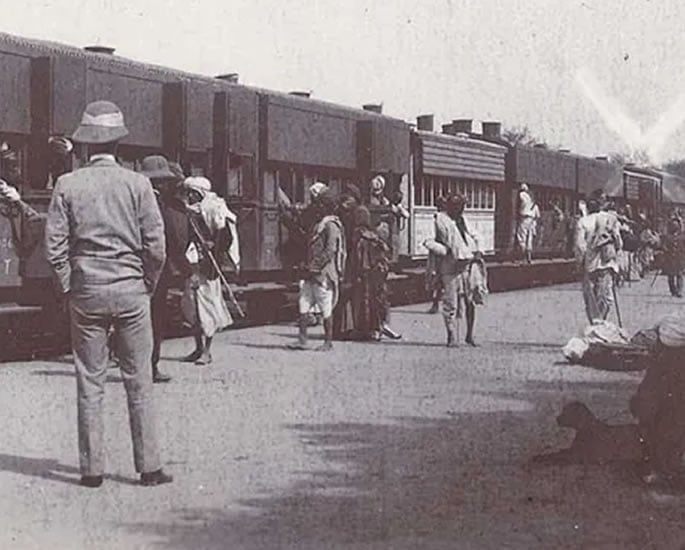
These words are widely believed to have come from soldiers returning to Britain from India.
The British colonial era in India was significant.
Numerous British soldiers served across India and inevitably absorbed elements of local culture and language. Many Indian words found their way into British English.
Terms like ‘khaki’ (derived from Urdu for ‘dust-coloured’) became commonplace.
The slang term ‘Dekko’ (from Hindi ‘dekho’ meaning ‘look’) is another example.
‘Cushy’ is slang for comfortable but it originated from the Indian word ‘khushi’, which means ‘pleasure’.
Even ‘blighty’ originated during the British Raj as it is derived from the Urdu word ‘vilayati’, meaning ‘foreign’ or ‘European’.
This linguistic exchange provides the backdrop for the Cockney rhyming words ‘pony’ and ‘monkey’.
The popular theory, though not definitively proven, points to old Indian rupee banknotes and coins.
The 25 rupee coin featured a pony while the 500 rupee note depicted a monkey.
British soldiers returning from India brought back such currency and slang terms with them.
The Cockney Code
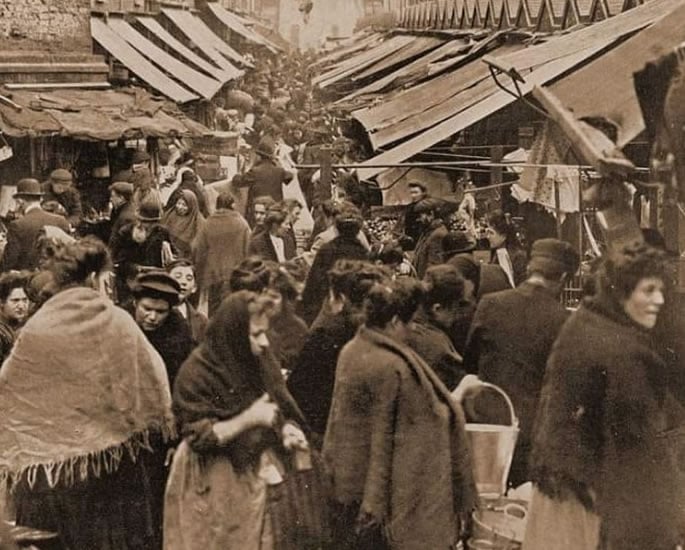
Cockney rhyming slang first emerged during the mid-19th century, originating in the bustling markets and close-knit communities of East London.
Traditionally, a Cockney is someone born within earshot of the Bow Bells. This unique dialect served a practical purpose.
Market traders used it for coded conversations, allowing them to discuss prices without customers understanding.
It also became a secret language for criminals, helping them evade the police, also known as the ‘bobbies’.
The structure of rhyming slang is delightfully clever. A common word is replaced by a rhyming phrase.
For example, ‘stairs’ becomes ‘apples and pears’. Usually, the rhyming word is then dropped. This transforms ‘apples and pears’ into simply ‘apples’.
Similarly, ‘head’ becomes ‘loaf of bread’, then just ‘loaf’.
This linguistic sleight of hand creates a unique challenge. It makes the meaning almost impenetrable to outsiders. This coded speech fostered a strong sense of local identity.
Cockney Money Slang Meanings
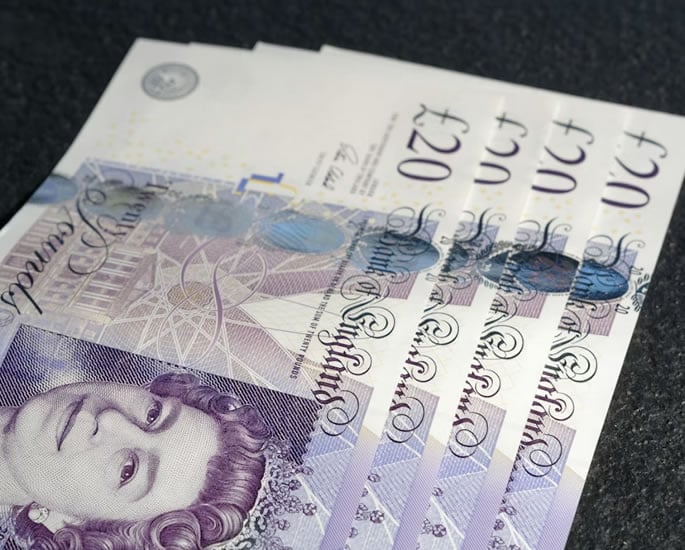
Beyond its fascinating international beginnings, Cockney rhyming slang offers a rich vocabulary for money.
Understanding these terms is quite important, as misinterpreting them could lead to financial confusion.
Let’s break down some common and lesser-known financial terms:
- £1 – Nicker/Nugget/Alan Whicker: ‘Nicker’ is a widely recognised term. ‘Nugget’ provides an alternative. ‘Alan Whicker’ is a more elaborate, older rhyming option.
- £5 – Deep Sea Diver/Lady Godiva: ‘Deep Sea Diver’ for a fiver is common. ‘Lady Godiva’ offers a playful, rhyming substitute.
- £10 – Ayrton Senna/Cock and Hen/Cockle: ‘Ayrton Senna’ for a tenner is a more recent addition. ‘Cock and hen,’ often shortened to ‘cockle,’ is also used.
- £20 – Score: This term is broadly understood. Its use extends beyond traditional Cockney circles.
- £25 – Pony: This is the Indian-influenced term. It precisely signifies £25.
- £50 – Bullseye: A straightforward and widely accepted term. It refers to this specific amount.
- £100 – Ton: This term is quite common. It is often heard in sports or speed contexts.
- £500 – Monkey: The second of the Indian imports. It refers to the substantial sum of £500.
- £1,000 – Grand: This term is ubiquitous. It is understood across English-speaking countries.
These examples illustrate the incredible adaptability of Cockney rhyming slang. It effortlessly blends traditional rhymes with historical influences. It even incorporates contemporary references.
Cockney rhyming slang, with its hidden meanings, continues to captivate. Its spirited wordplay endures as a testament to London’s vibrant character.
While its everyday use might have softened, many of its phrases remain.
They have seeped into the broader British vernacular and sometimes, they are used unknowingly.
This unique linguistic heritage speaks volumes about community and resilience. It also reveals an unexpected global reach.
The widely believed journey of ‘pony’ and ‘monkey’ from the Indian subcontinent to East London is captivating.
Language, like history, is complex and reveals new stories.
This connection enriches our understanding and it shows how diverse cultures intertwine.