
















































"What works for one person may not work for another."
Weight management is often misunderstood as a simple matter of diet and discipline, but the reality is far more complex.
It is shaped by hormones, genetics, lifestyle, and long-term health conditions that require a proper understanding of medical care.
In recent years, weight-loss medications and online providers have grown in popularity, raising concerns about safety and oversight.
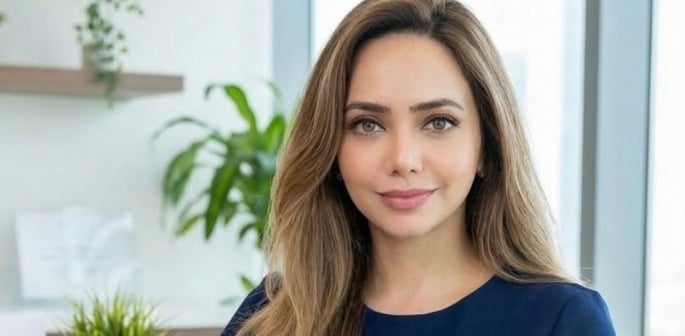
Against this backdrop, NHS-trained doctor Dr Nadia Ahmad launched The Weight Care Clinic to offer a more structured and medically led approach.
In this exclusive interview with DESIblitz, she discusses the gaps in current weight management care, the impact on South Asian communities, and why personalised treatment is essential for long-term health.
Can you tell us about your journey as an NHS doctor and what inspired you to launch your weight management clinic?
 I trained and worked within the NHS, where I saw firsthand how complex weight and metabolic health really are.
It is never just about willpower.
It is hormones, mental health, lifestyle, culture, and long-term conditions all intertwined.
Over time, I became increasingly drawn to this area, particularly supporting patients with conditions like PCOS, insulin resistance, and obesity related complications.
What stood out was how limited the support often was. Patients were either given very general advice or placed on long waiting lists, with very little in between.
At the same time, I was seeing a rise in people turning to online providers for weight loss medications without proper medical oversight, which did not sit comfortably with me.
I started The Weight Care Clinic to bridge that gap.
I wanted to create something that felt safe, regulated, and genuinely medical, where patients are properly assessed, supported, and monitored by a doctor throughout their journey.
Not just prescribed to but cared for. Your body needs science, not shortcuts.
What gaps in patient care were you noticing that led you to create a doctor-led service?
Firstly, access. In the NHS, structured weight management services can be difficult to access, with long wait times and strict referral criteria, leaving many patients without the support they need.
Secondly, continuity and monitoring.
Patients are often left to manage alone or turn to online providers with minimal follow-up, meaning little medical supervision or support with dose adjustments and side effects.
Thirdly, safety. These medications are powerful and not risk-free, yet I was seeing people use them without proper screening or guidance.
But one of the biggest gaps is what happens after the weight loss. There is very little support for maintenance, which is often when weight regain happens.
That is what we focus on in the clinic. Not just helping patients lose weight but helping them keep it off safely and sustainably with proper medical support.
Because weight management is a long-term medical journey.
From your experience, what are the biggest health challenges facing South Asian communities when it comes to weight management?
 One of the biggest challenges is that risk presents differently.
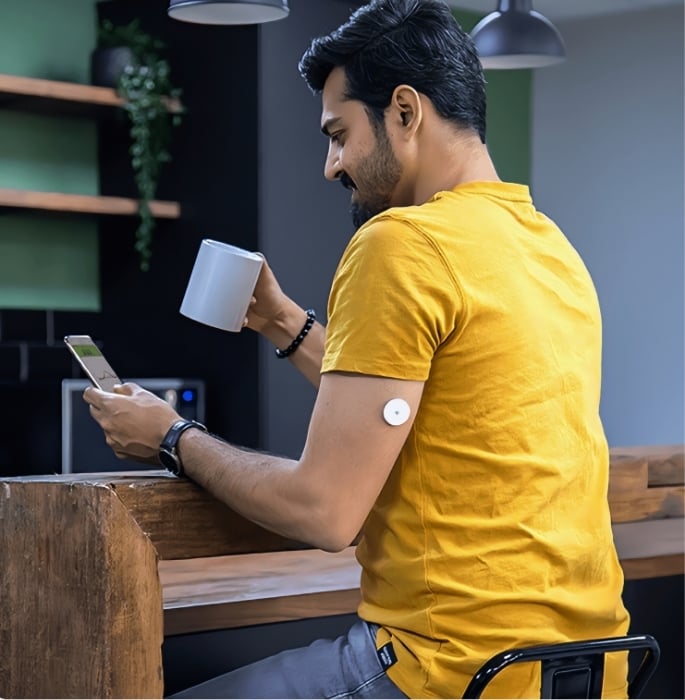
South Asian individuals often develop metabolic conditions like type 2 diabetes at a lower BMI, which means people can appear to be a “healthy weight” but still carry significant internal risk.
There is also a strong genetic predisposition towards insulin resistance and central fat distribution, particularly around the abdomen, which increases cardiometabolic risk.
On top of that, there is often a lack of tailored guidance.
Standard weight management advice does not always reflect cultural diets or lifestyles, which can make it harder for patients to engage with and sustain.
How do cultural factors such as diet, family expectations and lifestyle impact weight and overall health in South Asian households?
Food plays a huge cultural and social role in South Asian households.
Meals are often rich, portion sizes can be large, and there is a strong emphasis on hospitality, which can make moderation difficult.
There can also be family expectations around eating, where refusing food is seen as disrespectful, and this can make behaviour change challenging.
That said, South Asian diets also have so many positives that are often overlooked.
Foods like daal, saag, roti, tandoori chicken, and freshly prepared meals are naturally rich in fibre, nutrients, and flavour.
Ingredients like turmeric, ginger, and spices have well-known health benefits and have been part of traditional cooking for generations.
The issue is not the food itself; it is often how it is prepared.
Simple changes like reducing oil/ghee, adjusting cooking methods and being mindful of portions can make a significant difference without losing cultural identity.
Lifestyle factors also play a role.
Many people are balancing busy family and work lives, with limited time for structured exercise, and in some cases, less encouragement, particularly for women, to prioritise their own health.
There is also an important cultural shift happening, particularly for women.
Traditionally, many South Asian women have carried the responsibility of caring for everyone else first, often at the expense of their own health. But that is starting to change.
More women are now prioritising their own wellbeing, making time for themselves, and recognising that their health matters too.
It is not about removing cultural foods; it is about understanding them and adapting in a realistic and sustainable way.
Are there specific conditions, such as PCOS or diabetes, that disproportionately affect South Asians and influence weight gain?
 Yes, and this is something I see very frequently in practice.
South Asian populations have a higher risk of insulin resistance and type 2 diabetes, often developing at a younger age and lower BMI compared to other groups.
This can make weight management more complex, as the underlying metabolic drivers are stronger.
PCOS is also very common, and when combined with insulin resistance, it can lead to weight gain, difficulty losing weight, and a cycle that is both physically and emotionally challenging.
These are not simply lifestyle issues; they are medical conditions that require a more personalised and clinically led approach.
That is why a one-size-fits-all model does not work, and why proper medical support is so important.
What does a safe and effective weight management regime look like from a medical perspective?
At its core, it comes down to a sustainable energy deficit, but how you achieve that is what really matters.
A safe approach should always start with a proper medical assessment. From there, it is about combining nutrition, movement, behavioural support, and, where appropriate, medication.
Medications such as GLP1 receptor agonists can be very effective for the right patients.
They help regulate appetite, improve insulin response, and reduce what many patients describe as food noise, which is the constant mental preoccupation with food.
It is also important to consider factors such as ethnicity, hormonal health, and life stage.
Women going through menopause or those with conditions like PCOS or endometriosis will often experience weight changes that are not simply lifestyle-driven.
That is why a more personalised, medically led approach is so important, and exactly the model we follow within the clinic.
The focus is on a structured, supported plan that is safe, individualised, and sustainable long-term.
What are some evidence-based approaches that actually work long-term, beyond quick fixes?
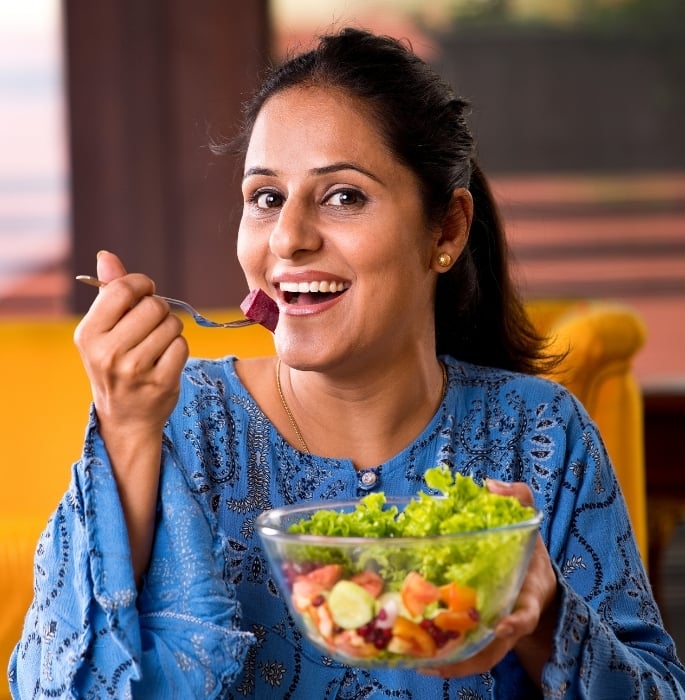 The approaches that work long term are the ones that are realistic and sustainable.
Creating a consistent energy deficit through balanced nutrition is key, but it has to be tailored to the individual.
High protein intake, fibre-rich foods, and regular meals can help with satiety and stability.
Addressing behaviour is just as important. Sleep, stress, and daily habits all play a significant role in weight regulation.
For some patients, medications like GLP1s can support adherence by reducing appetite and food noise, making it easier to stay consistent without feeling deprived.
It is also important to recognise that factors like cultural background, hormonal health, and female-specific conditions can influence how the body responds.
What works for one person may not work for another.
This is why we take a long-term, doctor-led approach in the clinic, focusing not just on weight loss, but on sustainable change and ongoing support.
Weight-loss medications like Wegovy and Mounjaro are becoming increasingly popular. How do these drugs actually work?
These medications work by targeting the body’s natural appetite and metabolic pathways.
They mimic hormones involved in appetite regulation, helping patients feel fuller for longer, reducing hunger, and significantly lowering what many describe as food noise, the constant thoughts around food.
They also slow gastric emptying, which means digestion is slower, so patients feel satisfied with smaller portions.
Importantly, they do not just affect the body physically; they also change decision-making around food.
Patients often describe it as having more control, where they are able to make calmer, more intentional choices rather than feeling driven by cravings.
As a British Pakistani woman, how has your background shaped your understanding of patient needs?
 It has shaped it significantly.
Being from a British Pakistani background means I understand not just the medical side but the cultural context my patients are living in.
Language, family dynamics, food, and expectations all play a role in health, and they cannot be separated from care.
There are also nuances in how patients communicate symptoms or concerns. Sometimes things are minimised, sometimes not expressed at all, particularly around weight, mental health, or hormonal issues.
I also think there can be unconscious bias in healthcare at times, where patients are not always fully heard or understood.
Terms like “Mrs Bibi syndrome” or “Mrs Begum syndrome” are sometimes used informally, and they reflect outdated stereotypes that can leave patients feeling dismissed or overlooked.
For me, it is about bridging that gap.
Creating a space where patients feel understood both medically and culturally, and where their concerns are taken seriously.
What cultural barriers prevent South Asians from seeking proper medical support for weight and health issues?
Many people do not fully recognise the health risks associated with weight, particularly as South Asians can develop conditions like diabetes at lower BMIs.
There can also be a normalisation of symptoms. Fatigue, weight gain, or hormonal issues are often brushed off or accepted rather than investigated.
Stigma plays a role, too. Weight, mental health, and conditions like PCOS can be sensitive topics, and people may avoid seeking help.
Language and access can also be barriers, particularly for those who have moved from abroad and may not feel confident navigating the healthcare system.
And then there is the misconception around food. South Asian diets are often blamed, when in reality they include many very healthy components.
Daal, vegetables, grilled meats, and chapatis are all nutrient-rich.
The issue is often cooking methods, such as excess oil or ghee, rather than the food itself.
How can we encourage more open and informed conversations around obesity within South Asian communities?
 It starts with education and reframing the conversation.
We need to move away from blame and focus on understanding.
Obesity is not simply a lifestyle choice; it is influenced by genetics, hormones, environment, and culture.
There also needs to be more open discussion about the real impact of weight on health. Not just physically, but on energy levels, mood, confidence, and long-term well-being.
At the same time, it is important to approach this in a culturally sensitive way.
We should not be asking people to abandon their food or traditions, but to adapt them.
Small changes in cooking methods, portion sizes, and lifestyle can make a big difference.
A more holistic approach is key. Looking at nutrition, movement, mental health, and medical support together, rather than in isolation.
Most importantly, we need to create safe spaces like The Weight Care Clinic where people feel comfortable having these conversations without judgment. That is where real change begins.
Dr Nadia Ahmad’s insights show that weight management goes beyond appearance, shaped by medical history, culture, and long-term support.
Her work at The Weight Care Clinic reflects a growing need for safer, doctor-led approaches that prioritise patient wellbeing over quick fixes.
As she emphasises, sustainable change comes from education, structure, and personalised care rather than one-size-fits-all solutions.
For South Asian communities in particular, her message reinforces the importance of early intervention and open conversations around metabolic health.