
















































He later said he felt “exposed”
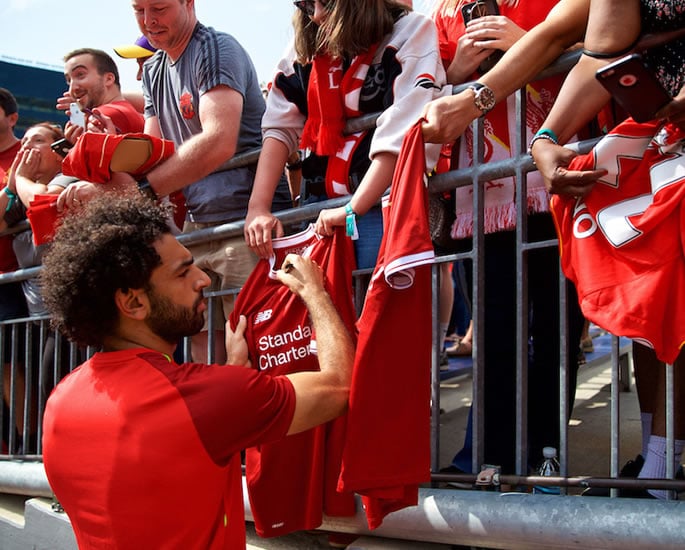
Autograph hunters are a constant presence in modern football, and not always in the places you would expect.
Players are approached at traffic lights, outside training grounds, in hotel lobbies, and sometimes even near their homes.
More importantly, there are also two different types of autograph hunters.
There are legitimate fans looking for a memorable keepsake and there are professional vendors stocking up merchandise to sell online.
This is shaping how players respond, and raising questions about how far access to footballers should really go.
A Growing Presence in Players’ Daily Lives
The modern autograph hunter is no longer confined to stadium perimeters, ranging from mundane to intrusive. They track routines, wait at familiar stops, and position themselves where players are most accessible.
Petrol stations and traffic lights have become common meeting points. These are moments where footballers are off-duty, often alone, and not expecting interaction.
Being approached outside a ground is one thing. Being approached near your home is another. The difference is increasingly driving frustration across the game.
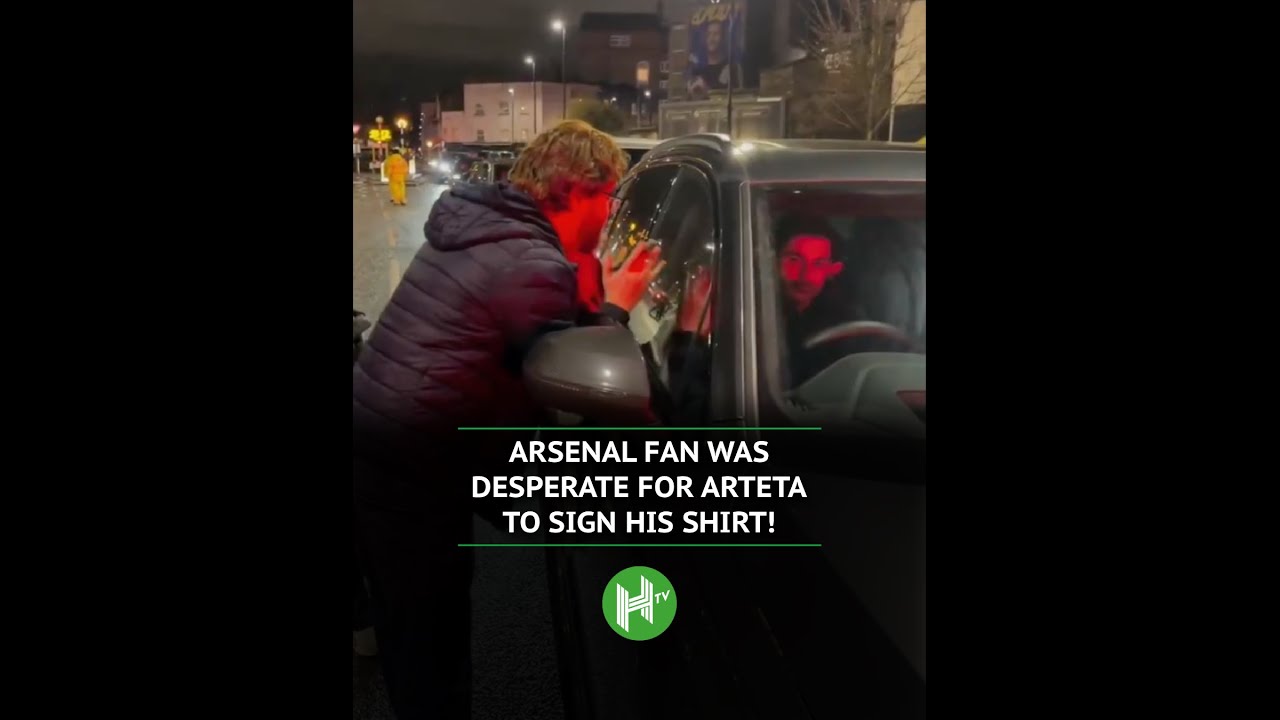
Mikel Arteta faced criticism after refusing to sign a shirt when approached at his car.
He later said he felt “exposed” and suggested some fans “are not doing it for the right reasons”.
Pep Guardiola took a more direct approach. After being approached near his home, he told a group of autograph hunters:
“Don’t come again, I won’t tell you again, I know your faces.
“Do you want to live your life doing this, honestly? What are your dreams?”
Some clubs have introduced tighter security around training grounds while others monitor nearby locations where players are known to stop.
In certain cases, players are even escorted home to avoid repeated contact.
These measures point to a clear reality. What might look like harmless persistence from the outside can feel very different from behind the wheel of a car.
When Signatures become a Business
Not every autograph request is driven by sentiment.
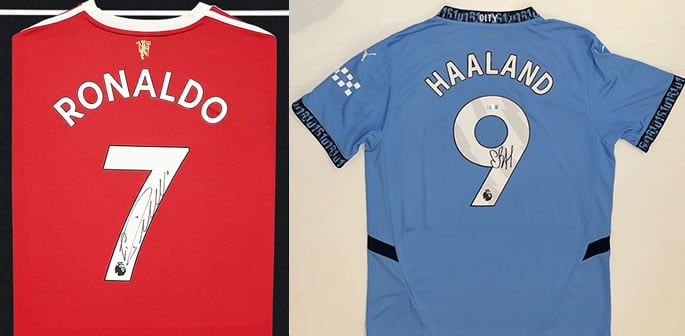
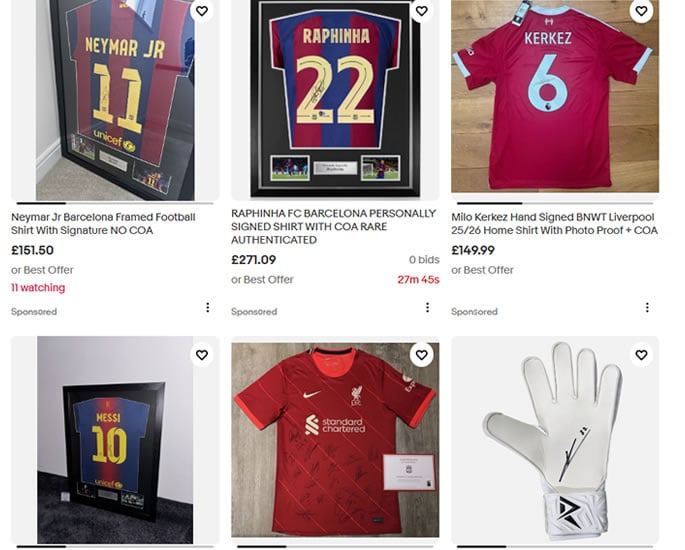
The sports memorabilia industry is worth billions globally, and signed items sit at the heart of that market. For some, collecting autographs is effectively a job.
These people often arrive with stacks of shirts or photos. The more signatures collected, the higher the potential return online.
Former Premier League striker Chris Sutton has experienced it from both sides of the game:
“Players get really fed up with it.
“I’ve had it loads of times as a player and as a pundit. They stand outside the BBC studio and ask me to sign 12 number nine shirts all at once.
“I queried it recently and said, ‘You’re going to flog these online, aren’t you?’
“It’s so annoying that the intention is to make money out of players and other high-profile people. It’s up to the player, manager, or has-been like myself to make a judgment call in the moment.
“If we say no, then the spurned party will often abuse the person who turned them down and out them online or publicly.
“It’s out of order as genuine autograph hunters must get fed up with these imposters who are doing it for the wrong reasons.
“These people spoil it for kids and genuine fans.”
That tension can spill into uncomfortable moments.
In 2023, Mason Mount told autograph hunters to stop following him home after repeated encounters. More recently, Noussair Mazraoui was filmed giving half-hearted signatures after being approached at his car window.
Former England defender Phil Jagielka describes how quickly a normal interaction can shift:
“You get the people who are desperate for your autograph but also want to spend a bit of time with you and get that connection.
“That’s all fine, but then you also get the ones that you see all the time.
“Some of them are very clever with the way they do it; they send their kids, or they bring their mates.
“There have been times when there have been confrontations.”
“I remember one at Everton where the guy tried having a go at me; he would hand you 20 of the same card, and you would either not sign them all or your signature would become less enthusiastic as it went on because you knew he was going to sell them on.
“He would openly tell you he was going to sell them, but in his eyes, that would pay for his tickets to watch us in London.
“Most fans are really respectful and thankful of you doing it. They are never disrespectful until they don’t get what they want.”
Access and Entitlement
The issue is not limited to the men’s game. In women’s football, access to players has traditionally been easier and more personal.
London City Lionesses’ Nikita Parris highlighted the contradiction when she was asked for autographs by fans who had previously booed her.
It raises a simple question about intent. Is the interaction genuine, or purely transactional?
Former Wales international Helen Ward believes behaviour has changed:
“There does seem to have been a shift in the past few years – there feels to me more of a sense of entitlement with some fans now.
“Supporters having a bit more access to players has been a big part of the uniqueness of the women’s game, and when I was playing, we always wanted to make time for them and show we were grateful for them being there.
“[More recently] some people feel because they’ve paid for a ticket, they are entitled to the attention of the players before or after the game.
“No player wants to ignore the fans, but there are times and places where it is appropriate, and potential security risks need to be taken into account.
“There has to be mutual respect and it should be managed in a way we haven’t had to do it before, in a controlled, safe environment.
“You have to still have those moments so that little girls don’t lose heart and think ‘my heroes don’t care about me’.”
There is also a risk on the other side of the transaction.
The demand for signed memorabilia has opened the door to fraud. Fake autographs are often sold with certificates of authenticity, despite there being no formal regulation in the UK.
A fraudster was jailed in 2018 after making more than £1 million selling forged signed items. Wayne Rooney helped expose the scam by confirming a shirt attributed to him was not genuine.
The lesson is clear. Price does not equal authenticity.
Autograph hunting is not going away.
For many fans, a signed shirt or photo still carries real meaning. Those moments can stay with them for life. Players understand that, and most are willing to give their time when the setting feels right.
What is changing is the approach and intent behind some of these requests.
When signatures are gathered in bulk to be sold online after a player is approached in an intrusive manner, an autograph becomes more like a transaction.
As a result, players are becoming more selective, more cautious, and at times more reluctant to engage at all.
The line between access and overreach is still being drawn.
If autograph hunting continues to be driven by resale, it is genuine fans who risk losing out on the moments that once defined the connection between player and supporter.