


































"This case seemed kind of weird and crazy"
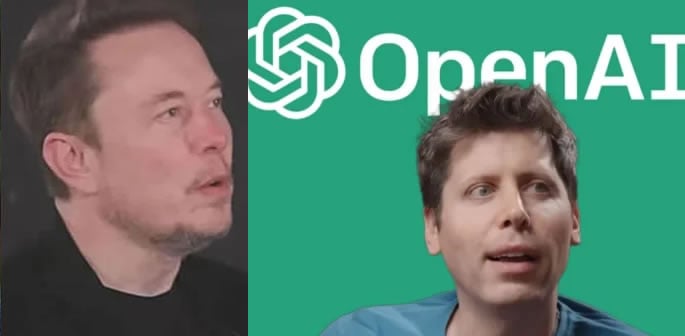
A California jury has thrown out Elon Musk’s lawsuit against OpenAI and its chief executive Sam Altman.
The unanimous verdict found Musk had waited too long to file the lawsuit, meaning his claims had effectively expired under the statute of limitations.
Musk had accused Altman of breaching a non-profit agreement by shifting OpenAI towards a for-profit structure after Musk donated £28.5 million early in its development, alleging the move undermined its founding mission.
He claimed Altman misled him by accepting funding while abandoning OpenAI’s original goal of developing artificial intelligence for public benefit. The case became a major test of the company’s origins.
Jurors deliberated for around two hours after a three-week trial.
They heard testimony from Musk, Altman, and executives including Satya Nadella, alongside internal correspondence and corporate records.
Microsoft responded to the verdict by saying: “The facts and the timeline in this case have long been clear.”
The company added it remains committed to its partnership with OpenAI.
Within hours of the ruling, Musk criticised the outcome on X, writing that it created “a free license to loot charities if you can keep the looting quiet for a few years!”
He also called the judge a “terrible activist” who used the jury “as a fig leaf”. The post was later deleted.
Musk separately vowed to appeal, saying the jury did not decide “on the merits of the case” and instead relied on a “calendar technicality”.
Because the jury found the statute of limitations had expired, it did not assess the substance of Musk’s claims. The ruling, therefore, focused on timing rather than liability.
Carl Tobias, a law professor at the University of Richmond School of Law, called it a “very fact-based decision” and said:
“This case seemed kind of weird and crazy, but this is why we trust juries, because they bring the common sense of the community to resolve factual disputes.”
On the first day of the trial, Musk told the court: “It’s actually very simple.
“It’s not OK to steal a charity… If it’s okay to loot a charity, the entire foundation of charitable giving will be destroyed.”
Altman, in his testimony, said Musk supported OpenAI’s shift and even sought long-term control.
He said: “A particularly hair-raising moment was when my co-founders asked, ‘If you have control, what happens when you die?’
“He said something like, ‘Maybe it should pass to my children’.”
OpenAI was founded in 2015 by Elon Musk and Sam Altman, but Musk left in 2018 after disagreements with co-founders over control and direction. The dispute has escalated since ChatGPT’s rise.
Outside court, OpenAI spokesperson Sam Singer called the verdict a “tremendous victory” and said it was “for the justice system as well”.
He added the lawsuit was an attempt to slow a competitor.
OpenAI lawyer William Savitt said Musk’s claims “bears no relationship with reality” and added, “We’re pleased that the jury reached the right result, and reached it quickly”, while reaffirming work on “safe AI for the benefit of all humanity”.
Musk’s lawyer Marc Toberoff said:
“This war is not over, and I’d sum it up in one word: appeal.”
Legal experts said overturning the decision would be difficult.
Raffi Melkonian, an appellate lawyer, said: “Appeals of jury verdicts are very hard to win.”
Tobias added that appeals courts are unlikely to overturn a fact-specific jury ruling.
Conflict resolution professor Sarah Federman described the dispute as “Godzilla taking on King Kong. Neither billionaire has emerged unscathed in the public eye”.