


















































"the margins are so small. But it's good."
For almost 22 years, Arsenal’s pursuit of another Premier League title has carried the weight of history.
Since Arsene Wenger’s ‘Invincibles’ of 2003-04, the club have been accused of lacking resilience at decisive moments.
The narrative hardened over time: attractive football, but insufficient edge.
Now, under Mikel Arteta, that storyline is being challenged.
With eight league games remaining and a seven-point lead over Manchester City, albeit with City holding a game in hand, Arsenal’s modern identity is under scrutiny as much as their credentials.
This is a season that could yet redefine the club’s recent past.
Arsenal have the possibility of winning multiple trophies. But as the stakes rise, so does the debate over how this team wins.
From Style Over Substance to Structured Efficiency

For years, Arsenal were caricatured as aesthetically pleasing but fragile.
Under Arteta, the criticism has shifted. Instead of questioning their resolve, detractors now question their style.
The charge is that Arsenal have become over-pragmatic, leaning heavily on set-pieces and game management rather than expansive football.
Recent results illustrate the tension.
A nervy 2-1 home win over Chelsea followed the damaging 2-2 draw against Wolverhampton Wanderers. However, the Gunners also enjoyed an emphatic 4-1 victory over North London rivals Tottenham.
While Arsenal have responded to setbacks with authority, the manner of some wins has divided opinion.
Against Chelsea, both goals came from corners, prompting criticism that Arsenal are too reliant on dead-ball situations.
Arteta, however, has constructed a deliberate advantage in this area. The influence of set-piece coach Nicolas Jover is visible, while Declan Rice’s delivery has become a consistent weapon.
Narrow victories are often hallmarks of champions. Title-winning campaigns regularly feature tense finishes and fine margins.
Arsenal’s ability to secure results in tight contests reflects evolution rather than regression.
Arteta’s task is not to entertain neutral observers. It is to deliver trophies.
Arsenal must convert position into silverware, with the Premier League carrying particular weight.
Another near-miss would intensify scrutiny of Arteta’s tenure. For a club that last lifted the title in 2003-04, patience is finite.
Is the Criticism Justified?
The debate over Arsenal’s style becomes more complex when examined through performance data.
They have scored 59 Premier League goals and conceded just 22. That defensive record is the best in the division. Their goal difference of +37 is the highest in the league.
Set-pieces account for a significant share of their output.
Arsenal have scored 21 goals from set-pieces, including penalties, more than any other side. Manchester United are second with 15. Sixteen of Arsenal’s league goals have come from corners, representing 27.6% of their total.
Those figures underline efficiency, but they do not tell the entire story.
Arsenal have recorded 999 touches in the opposition box, more than any other team. Arsenal have also created 62 big chances.
The data suggests territorial dominance and attacking consistency.
Arsenal are not simply a set-piece side. They combine defensive solidity with sustained pressure in advanced areas. Efficiency from dead-ball situations supplements, rather than replaces, open-play threat.
Arteta acknowledged areas for improvement after the Chelsea win.
He said: “It is certainly something we will discuss as we have to improve it and do better.
“I’m trying to stay calm, but we weren’t getting the control we wanted, especially against 10 men.”
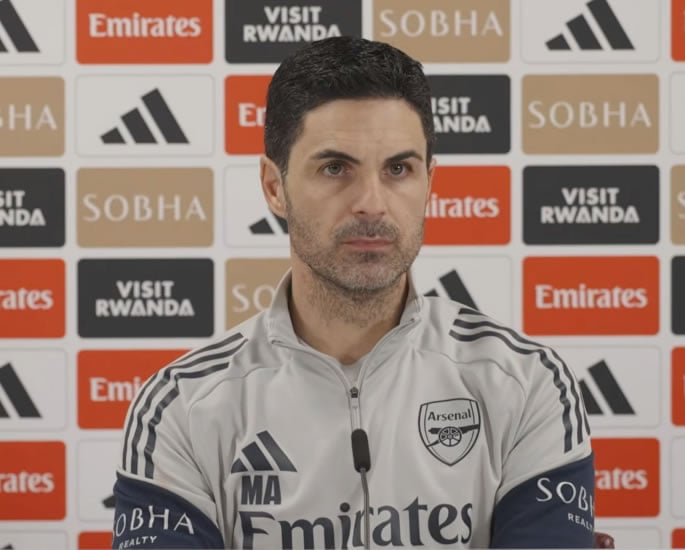
“You see with every team that is winning games, that everyone is suffering and the margins are so small. But it’s good.”
His comments reflect awareness of the fine lines involved in title races.
Even dominant teams endure moments of instability. Manchester City’s recent narrow victories over Newcastle United and Leeds United required late composure.
Sustained excellence rarely arrives without strain.
What are the Expectations?

Arsenal’s stylistic debate unfolds within the shadow of modern benchmarks.
Under Pep Guardiola, Manchester City have secured six Premier League titles. Their possession-heavy, control-oriented approach has shaped perceptions of elite performance.
Jürgen Klopp’s Liverpool offered a contrasting model, built on intensity and fast transitions, winning one title before his successor Arne Slot repeated the feat in his first season.
These examples influence how contenders are judged.
Guardiola’s methods have become a template for many observers. Klopp’s “heavy metal” football provided a thrilling alternative. Arsenal’s current model does not fit neatly into either archetype.
Arteta has introduced greater pragmatism in pursuit of sustained success. Defensive structure has tightened. Game management has improved. The emphasis on set-pieces reflects strategic planning rather than accident.
There is more than one route to domestic supremacy.
The decisive moment of the campaign may arrive in April when Arsenal travel to the Etihad Stadium. Encounters between direct rivals often determine margins at the top.
Until then, Arsenal remain in a commanding position.
Outside North London, admiration may be limited. Success tends to soften critique. If Arsenal secure the Premier League title, discussions about aesthetics will carry less weight. Supporters measure campaigns by outcomes.
Arteta’s responsibility is clear. He answers to club hierarchy and fanbase. Pleasing neutral audiences ranks lower. Winning remains the central objective.
Arsenal’s season has evolved into a referendum on method as much as ambition.
The team lead the Premier League, boast the strongest defensive record and rank among the most productive attacks.
Their command of set-pieces has become a defining trait, prompting debate over style and substance.
The remaining fixtures will determine the narrative.
A league title would end a 22-year wait and validate Arteta’s structured approach. Failure would reopen questions about whether progress has plateaued.
For now, Arsenal occupy a position built on measurable performance and competitive resilience.
In elite sport, perception often lags behind results. Arsenal’s campaign will ultimately be judged by silverware rather than stylistic approval.
The margins are small, the scrutiny intense, and the opportunity significant.