















































The result is a striking Neo-Mughal structure
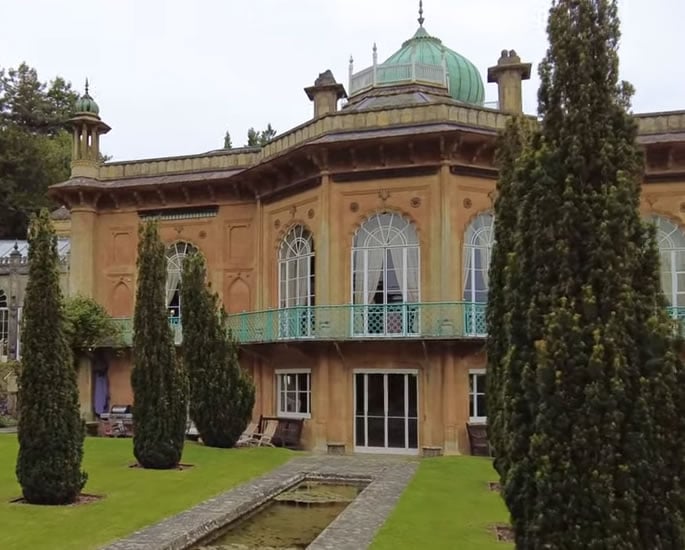
Sezincote House looks almost out of place in the North Cotswolds, where rolling fields suddenly give way to a copper-domed Indian-style palace near Moreton-on-Marsh in Gloucestershire.
The estate is often described as “India in the Cotswolds” because of its striking Neo-Mughal architecture and landscaped gardens.
Built over 200 years ago, it remains one of the most unusual country houses in Britain, shaped by colonial-era travel, wealth and design influence.
It remains privately owned and continues to function as both a family home and working estate.
Here is how it came to be, and what visitors experience when they step inside its grounds.
Indian Inspiration
Sezincote House was built in the early 1800s after Colonel John Cockerell returned from India with wealth connected to the East India Company.
He commissioned his brother, architect Samuel Pepys Cockerell, to design a home unlike anything else in England. Construction began in 1805 and was completed two years later.
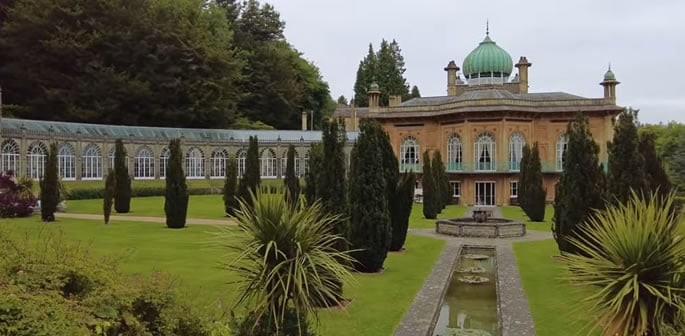
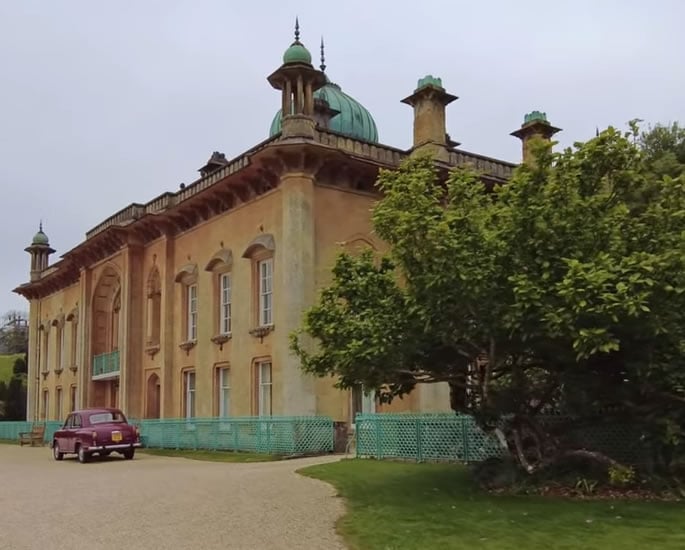
The result is a striking Neo-Mughal structure, drawing on architectural styles from 16th and 17th-century India, reinterpreted through Regency-era Britain.
Its copper onion dome, red sandstone façade and ornate detailing immediately set it apart from traditional English country houses.
Arched windows, decorative stonework and peacock-inspired motifs reinforce its Indian influence, while the symmetry and proportions reflect classical European design.
The estate’s wider landscape was designed by Humphry Repton, one of Britain’s most influential garden designers. His work integrates lakes, temples, bridges and carefully framed views across the grounds.
Among the most distinctive features is a temple dedicated to Surya, the Hindu sun god, alongside pavilions and ornamental structures that reference Mughal and Persian design traditions.
Covering around 3,500 acres, the estate remains a working agricultural property.
Woodland and farmland continue to be actively managed, supporting both conservation and production.
The combination of farming, forestry and heritage preservation gives Sezincote a living, functional character.
There is also a long-standing historical link to the Royal Pavilion in Brighton. It is widely believed that the Prince Regent visited Sezincote in 1807 and drew inspiration from its Indo-Islamic design when commissioning his own seaside palace, further embedding Sezincote in Britain’s architectural story.
A Hidden Gem
Sezincote House remains privately owned and family-run, with access carefully managed throughout the year.
The estate opens seasonally, typically from May to September, on selected weekdays and bank holidays. Visits to the house must be booked in advance and include access to the gardens.
Inside, photography is not permitted.
But the gardens are a major draw in their own right. Designed to reflect both English landscape traditions and Indian architectural influences, they include water features, temples, bridges and sculpted viewpoints.
The Orangery Tearoom offers a pause point for visitors, serving tea and cake overlooking the grounds.
Garden-only access is also available without advance booking between March and October, making it a more flexible option for casual visitors.
Entry is priced separately from house tours, offering a lower-cost way to experience the estate’s landscape design.
Beyond day visits, the estate occasionally hosts weddings, taking advantage of its dramatic setting and historic architecture.
A small number of converted farmhouses and cottages nearby also offer accommodation, extending the experience for those who want to stay in the area.
Sezincote House stands apart from typical Cotswolds estates because it refuses to fit neatly into one architectural tradition.
Its blend of Mughal inspiration, Regency craftsmanship and working farmland creates a site that feels both historical and lived-in.
For visitors, it is an attraction that goes under the radar, intertwining India and England through stone, water and design.