


















































"mortgage rates have risen sharply"
The Iran conflict has affected the UK in various ways and this includes the housing market.
In March 2026, house prices rose at their fastest pace in almost 18 months, but the outlook has quickly darkened.
Rising mortgage rates, higher energy bills, and uncertainty in financial markets are already slowing activity.
Some regions continue to see growth, while others are starting to slip.
The conflict is now affecting lending, affordability, and buyer confidence across the country.
Prices Jump as Rates Surge

March saw the average UK home rise to £277,186, a 0.9% increase from February, according to Nationwide. Annual growth jumped to 2.2%, up from 1%.
Robert Gardner, Nationwide’s chief economist, said:
“With consumer sentiment also likely to be dented by the uncertain outlook and the prospect of rising energy costs, housing market activity is likely to soften.”
Mortgage rates have climbed sharply. Two-year fixed deals hit 5.77%, up from 4.83% at the start of March, while five-year deals rose from 4.95% to 5.7%, the highest levels since late 2023.
Karen Noye, mortgage expert at Quilter, said: “Since the start of the conflict, mortgage rates have risen sharply and lenders have been withdrawing products or repricing fixed-rate deals at short notice.
“For prospective homebuyers and movers, this has meant a rapid deterioration in affordability.”
Before the war, markets expected the Bank of England to cut rates twice this year. That has reversed, with investors now predicting three rate hikes over the next 12 months.
The shift has forced lenders to tighten up and raise borrowing costs, hitting market activity.
Regional Differences
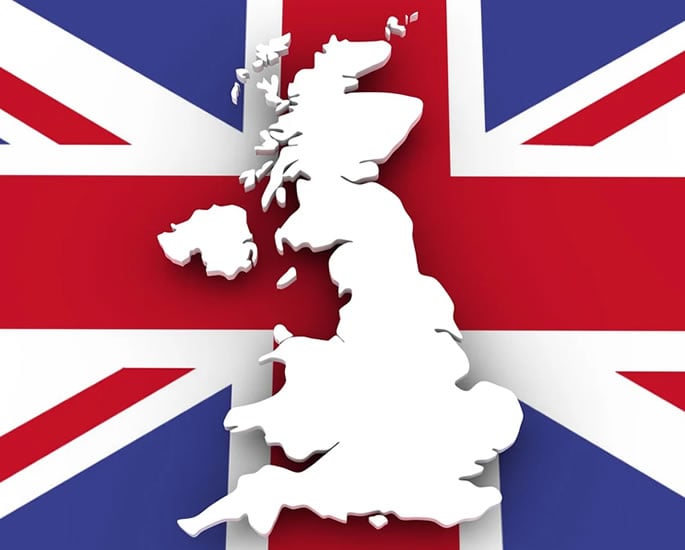
Not all parts of the UK have moved at the same pace.
Northern Ireland leads with a 9.5% rise year-on-year to £225,269. The north-west of England saw prices up 3.3% to £229,173, while Scotland rose 3% to £191,747.
In contrast, the outer south-east, including towns like Canterbury and Portsmouth, fell 0.7% to £336,036. East Anglia dropped 0.4% to £273,237.
Amy Reynolds, head of sales at Antony Roberts estate agency, said: “The property market continues to demonstrate resilience despite a backdrop of global uncertainty.
“Mortgage rates have already edged upwards in response, and this is naturally becoming a talking point among applicants.
“We are seeing a slight softening in viewing numbers as some buyers pause to assess the situation.”
These shifts highlight how global events can quickly affect local markets.
Regions with weaker demand are already feeling the pinch, while others are still showing growth. First-time buyers and those relying on affordability improvements are most affected.
Caitlyn Eastell, personal finance analyst at Moneyfacts, said:
“Many households may have to tighten their budgets in response to these rising costs, and first-time buyers with smaller deposits may be held back from getting on the property ladder.”
Market Outlook
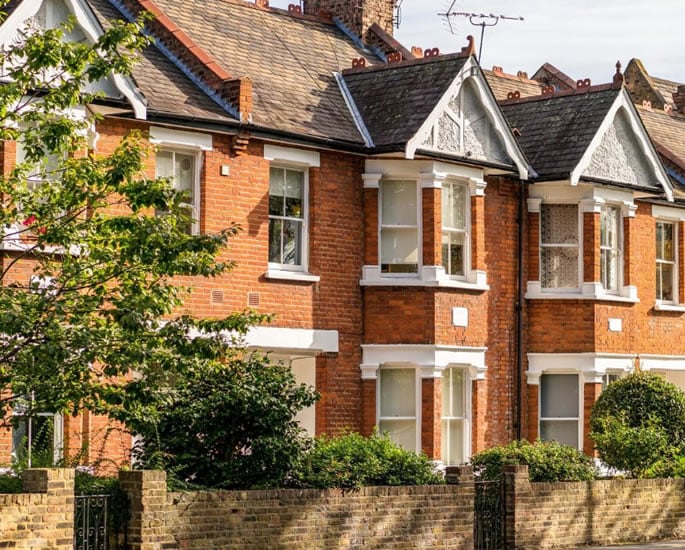
Rising mortgage rates and energy prices are expected to slow activity further.
Gardner noted that household finances remain strong, with debt at the lowest level relative to income for two decades and solid savings buffers.
He added: “Hopefully this will help mitigate the additional pressures, though many are still recovering from the previous cost of living crisis.”
Analysts are tempering expectations for 2026. Ashley Webb, UK economist at Capital Economics, said:
“Depending on how far mortgage rates rise and by how much the economy weakens, prices may rise by a more modest 1.0% or so, or even stagnate in an adverse scenario.
“But we’re not expecting big outright falls in nominal prices.”
The Iran conflict has already reshaped the UK housing market, pushing mortgage rates higher and creating uncertainty for buyers and lenders alike.
While March’s price gains show the market can still move, rising borrowing costs and uneven regional performance point to slower activity ahead.
Affordability pressures, energy costs, and cautious sentiment are likely to keep the market on edge for the coming months.
How prices behave from here will depend on the conflict’s duration and its wider economic impact, but one thing is clear: global events are now directly influencing UK housing trends like never before.