
















































Aim to include protein in every meal.
If you follow a typical Indian diet, dominated by carb-rich staples like rice and roti, you could be missing out on a key nutrient: protein.
A 2025 study published in Nature Medicine found that the Indian diet is high in “low-quality” refined carbohydrates and low in protein, while swapping some carbs for protein was linked to a “lower likelihood” of developing type 2 diabetes.
The case for higher dietary protein is growing in research.
Scientists in Spain reviewed previous studies on protein intake and highlighted the difference between minimum intake, which guidelines aim to cover, and optimal intake, which supports muscle and bone health.
Protein is vital for growth and repair of muscles and bones, wound healing, recovery, and overall well-being.
British Nutrition Foundation guidelines recommend 0.75 grams per kilogram of bodyweight, but intakes up to 1.5 grams are considered safe and can be beneficial during exercise, recovery, or certain treatments.
So how can you add more protein without giving up your favourite Indian dishes?
Understanding Macronutrients in Indian Meals
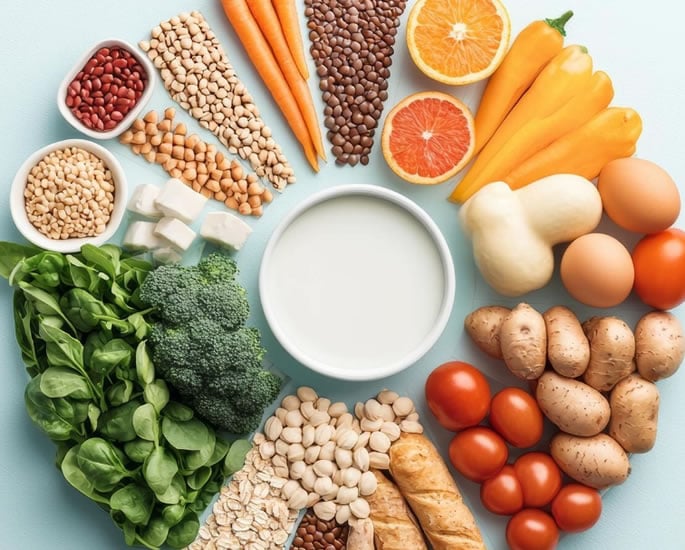
There are three macronutrients, commonly called macros, that make up the energy in your food.
Protein provides four calories per gram and is found in foods like chicken, paneer, eggs, and dal.
Carbohydrates also provide four calories per gram and are abundant in bread, roti, and rice. Fats are the most calorie-dense, offering nine calories per gram, and appear in dairy, nuts, and cooking oils.
Most foods contain a mix of macros. Paneer, for example, supplies both protein and fat, while chapati and rice are largely carbohydrates.
When an Indian meal is dominated by grains, the balance tends to tip toward higher carbohydrates and lower protein.
Visualising your meals according to their dominant macronutrient can make it easier to plan the balance you want to achieve.
Finding the Right Protein Intake
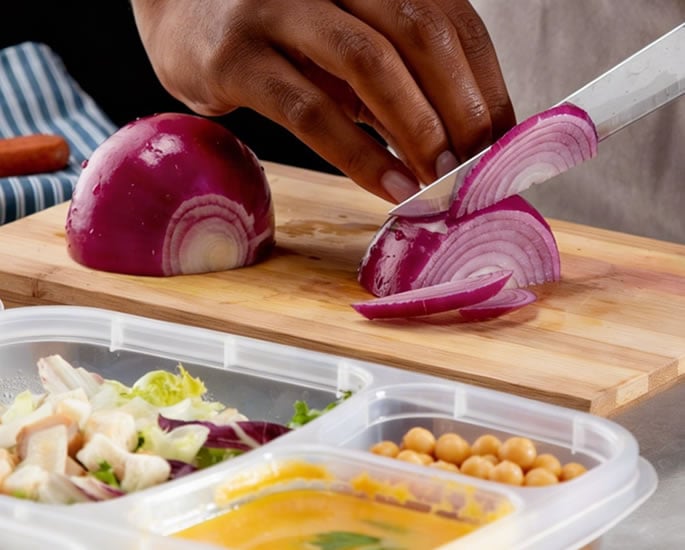
The general rule is simple: the more active you are, the more protein your body needs to repair and grow muscles and bones.
Regular exercisers, for instance, benefit from the higher end of the recommended range, around 1.5 grams of protein per kilogram of bodyweight.
For a 70-kilogram man, that equals roughly 105 grams per day, while a 60-kilogram woman would need about 90 grams.
Less active individuals can start at the lower end of the range and gradually increase protein intake as their activity levels rise.
People with kidney disease, however, should consult a doctor before adjusting protein in their diet.
For many who eat traditional Indian meals centred on rice, roti, and sabzi, hitting 90 to 100 grams of protein a day can feel difficult without careful planning.
Making Every Meal Protein-Rich

The most practical way to approach a 100-gram daily protein target is a food-first strategy – save supplements for later.
Aim to include protein in every meal.
Each major meal should ideally provide at least 30 grams of protein. That’s roughly five eggs, 150 grams of paneer, or 100 grams of chicken breast.
For plant-based options, 200 grams of cooked soybeans or 350 grams of cooked lentils deliver a similar protein boost.
In a typical Indian diet, the challenge often begins at breakfast. Common choices like upma or poha are rich in carbs but low in protein.
Adding high-protein options, eggs, lentils, or dairy, can make your morning meal more balanced.
For lunch and dinner, make sure there’s a dominant protein source on your plate. Dishes like mattar paneer, thicker dals such as dal makhani, pan-fried fish, or chicken can help balance otherwise carb-heavy meals.
Protein in Indian Lentils and Legumes
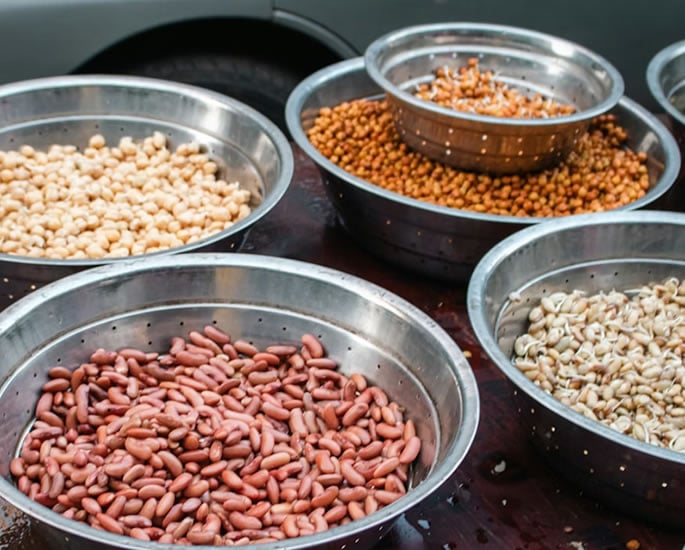
Lentils and dried beans are staples of Indian cooking, appearing in dishes like dal, dosa, khichdi, chole, and even desserts such as moong dal halwa.
While dals and beans do provide protein, they are also high in carbohydrates.
A single large serving of soupy dal (200 ml) delivers only about 7 grams of protein, while a serving of cooked rajma provides roughly 10 grams.
This means additional protein sources are often needed to reach daily targets.
Dals with a thicker consistency naturally pack more protein per serving.
Chana dal, for example, isn’t just used in dal; it’s also ground into besan, a gluten-free flour.
Chillas made from besan contain almost twice the protein of a standard wheat roti, making them a simple way to boost protein intake.
How Dairy Can Help Vegetarians Meet Protein Goals
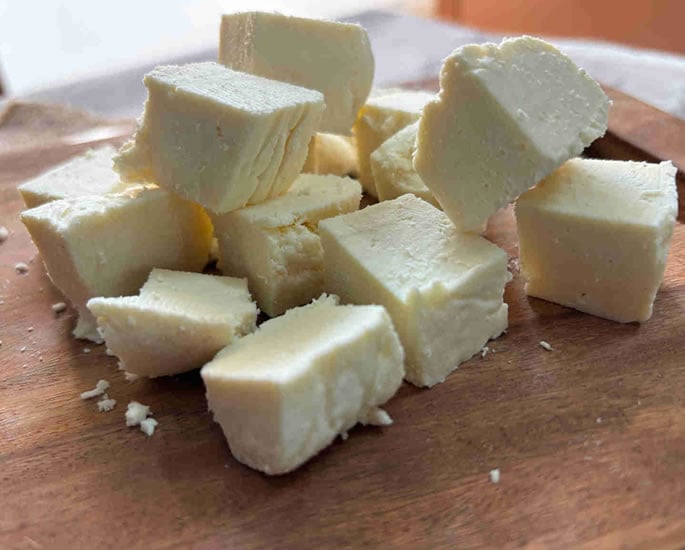
For Indians, dairy is the most accessible animal-based source of protein. It’s vegetarian-friendly, culturally accepted, and a staple in most households in the form of milk, paneer, or yoghurt.
Paneer is rich in protein, but as a cheese, it’s also calorie-dense. One hundred grams of paneer contains significantly more calories and less protein than the same amount of chicken.
Its high fat content makes it easy to consume extra calories without realising it.
A simple way to boost protein without overloading on calories is to choose low-fat dairy. Reducing the fat content increases the proportion of protein per serving.
This approach is ideal for vegetarians, especially those aiming to lose weight while relying mainly on dairy for protein.
Today, supermarkets offer a wide range of low-fat options, including paneer, milk, and yoghurt, making it easier to get protein without the extra calories.
Build a Habit of Reading Labels

Nutrition labels are a useful tool for checking whether packaged foods are truly nutrient-rich and high in protein, or just claiming to be “healthy”.
Many Indian staples, such as dosa batter, instant oatmeal, or oven-ready chicken tikka, come in packaged form.
Reading the labels on these products can reveal exactly what’s inside, including calorie content and protein levels.
Labels also highlight added sugars and other hidden ingredients.
This is important for protein bars or “healthy” foods marketed to children, where the benefits of protein can be offset by ultra-processed ingredients.
For this reason, it’s always worth flipping the product and taking a quick look at the nutrition label before buying.
How to Increase Protein in an Indian Breakfast
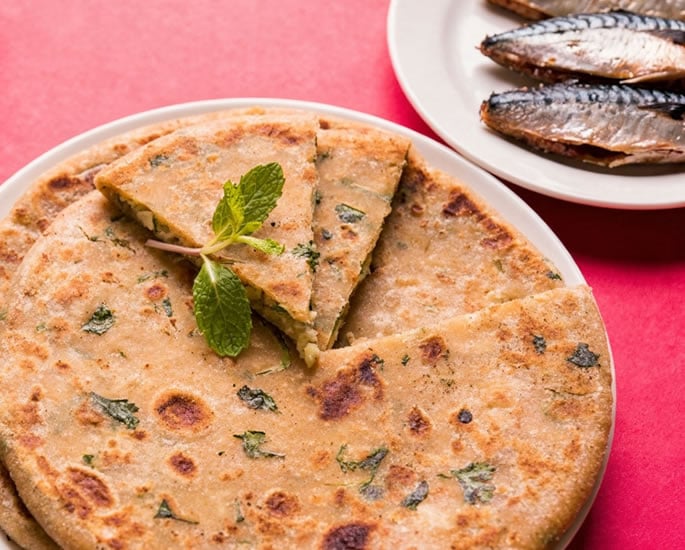
Of all meals, Indian breakfast tends to be the lowest in protein.
Popular choices like aloo paratha with pickle, dosa with a silky potato filling, or a plate of poha are delicious, but largely grain-based and protein-light.
Fortunately, there are simple ways to boost protein at breakfast.
Filling dosa with low-fat paneer reduces carbs while increasing protein. You can pair an aloo paratha with steamed mackerel for a protein punch.
For fans of fusion breakfasts, try baked or pan-fried beans served with fried eggs – no toast required.
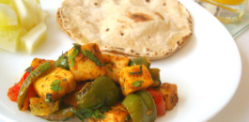
Paneer bhurji, a scrambled paneer stir-fry, is another protein-rich, vegetarian-friendly option that’s both hassle-free and satisfying.
Cut Carbs and Increase Protein
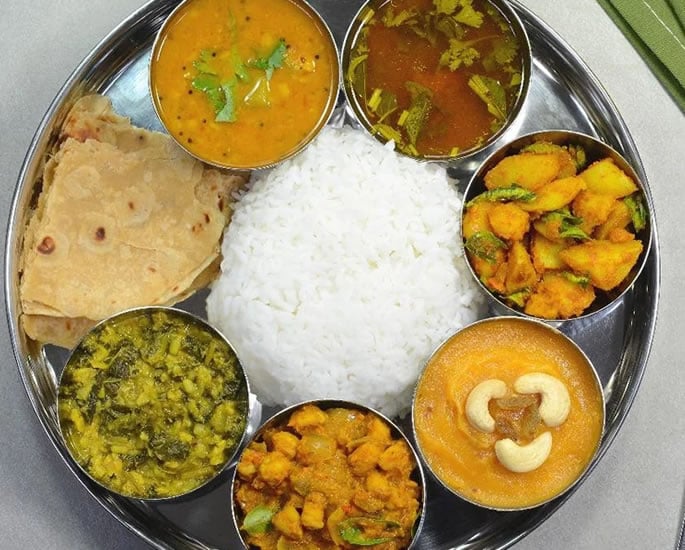
A traditional Indian plate often contains too many sources of carbohydrates. Think rajma with a heap of rice, chole with bhature, or dosa with a potato filling.
This heavy carb-to-protein ratio is the type of diet researchers linked to type 2 diabetes in the Indian study. Multiple carb sources in one meal also leave little room for protein.
As a simple rule, limit the main sources of carbohydrates in a meal to just one.
When enjoying dal and rice, try a smaller portion of rice and add a slab of grilled low-fat paneer. Swap stacks of chapatis for a single chapati turned into an egg wrap packed with crunchy veggies.
You can also make an Indian-style salad with chickpeas, grilled chicken, and leafy greens like spinach or mustard leaves.
These small adjustments make your meals more balanced and protein-rich without relying heavily on grains.
Make Your Own Yoghurt & Paneer
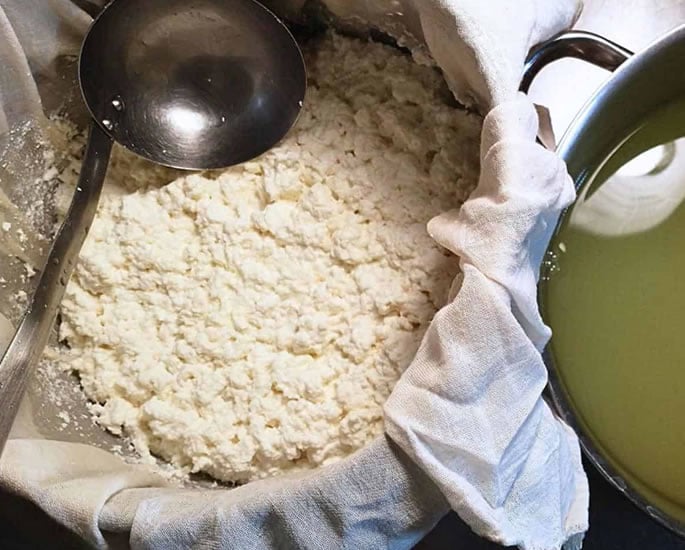
Paneer, milk, and yoghurt are staples of Indian cuisine.
Yoghurt is used in marinades for chicken tikka or in chaas, the refreshing Indian buttermilk. Paneer features in countless recipes, while Indian chai is incomplete without milk.
Including low-fat dairy in your meals can make a real difference to protein intake without excess calories.
There’s also a surprisingly simple way to make low-fat paneer at home. Boil milk, skim the fat from the top, and repeat twice to create a high-protein, low-fat base suitable for paneer or yoghurt.
Homemade paneer is not only higher in protein, but it’s also cheaper than store-bought options.
Do You Have to Cut Out Traditional Foods?
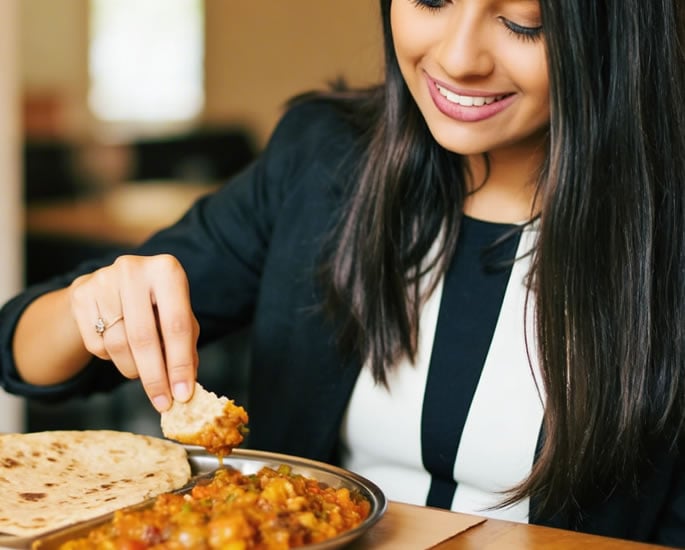
You don’t need to give up the flavours you’ve grown up with to meet your health goals.
Incorporating Indian spices and recipes into high-protein meals can strike a perfect balance between health, satisfaction, and flavour.
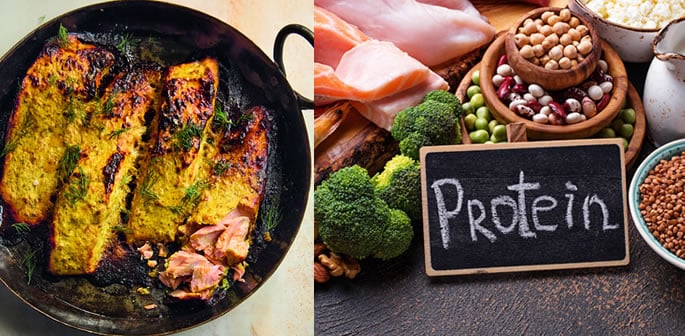
Salmon tikka is a simple example: easy to prepare, rich in protein, and packed with omega-3 fatty acids. Low-fat paneer tikka is another. Grains don’t always need to dominate your plate.
The Indian study also emphasised increasing protein from legumes, dairy, eggs, and fish to improve overall diet quality.
Centre your meals around these protein sources whenever possible.
If you’re short on ideas, a good cookbook can provide inspiration and even transform the way you approach Indian cooking.
A healthy Indian diet doesn’t have to be complicated or flavourless.
By pairing protein-rich foods thoughtfully with carbohydrates, you can create meals that satisfy both your taste buds and your nutritional needs.
Even small changes can have a meaningful impact over time.
The key is balance: limit multiple carb sources, focus on protein at each meal, and include low-fat options when possible.
With these strategies, you can enjoy the foods you grew up with while supporting overall health, muscle strength, and long-term wellbeing.