

















































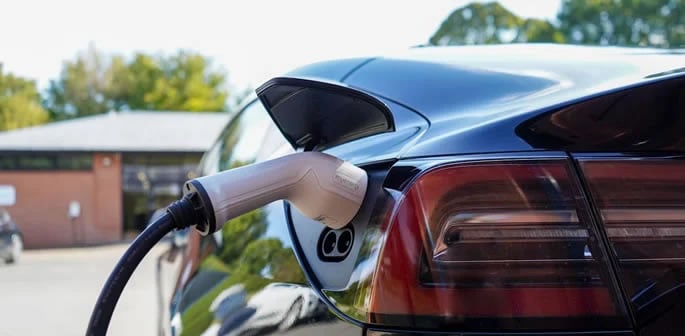
Electric cars ease that pressure directly.
Electric cars are quietly becoming one of the UK’s most practical defences against fuel shocks, as the Iran war sends fuel prices soaring.
The surge has exposed a familiar weakness. Britain relies heavily on global oil markets but holds only limited reserves at home.
When supply routes come under pressure, the impact is felt quickly at the pump.
That vulnerability has reignited calls for more domestic drilling. Yet signs point to a different direction, one that is already visible on driveways across the country.
The impact of electric vehicles go beyond cutting emissions or lowering running costs.
At a time of geopolitical tension, they are reducing demand for fuel while opening new ways to store and share electricity. The shift is gradual, but the implications are immediate.
Cutting Demand Where it Matters Most
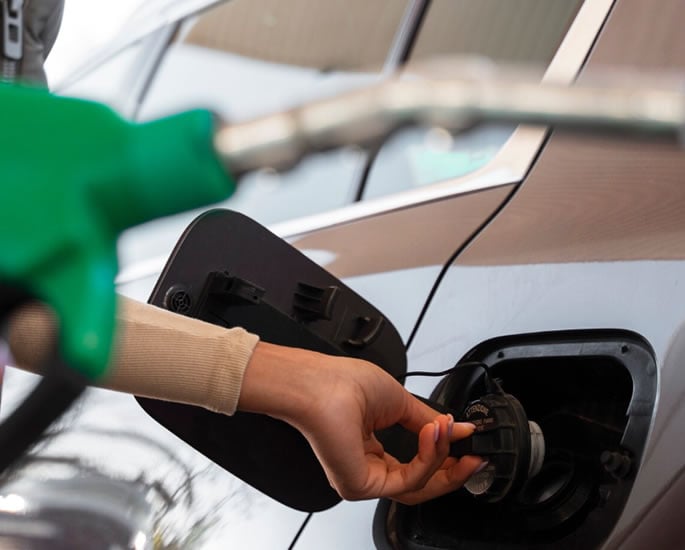
Britain’s fuel system leaves little margin for error.
Before the Iran conflict, the UK held just over three weeks of supply. That included 21 days of petrol and 22 days of diesel. Any disruption to global flows can tighten that window quickly.
Electric cars ease that pressure directly. Every journey powered by electricity rather than petrol reduces demand on those reserves.
The effect builds steadily as more drivers make the switch.
Even now, the numbers are telling. Existing electric and hybrid vehicles are saving Britain around two days’ worth of fuel.
That may sound modest, but it comes from a relatively small share of the overall car fleet. The upside becomes clearer when looking at countries further ahead.
Norway offers the most obvious comparison. Around 32% of cars on its roads are fully electric. Britain sits at 5.4%.
Matching Norway’s level could extend UK petrol reserves by roughly seven days. In a supply crunch, that extra time would matter.
What stands out is that Norway has fewer natural advantages. It stretches across long distances and faces harsh winters that can affect battery performance.
Drivers have still made the shift, largely because charging infrastructure is widely available and reliable. Britain does not face the same extremes, yet adoption remains slower.
Lower demand for petrol and diesel also shields the UK from sudden price swings. When global supply tightens, countries with higher fuel consumption feel it first. Reducing that dependence gives Britain more room to absorb shocks.
Untapped Power on Driveways
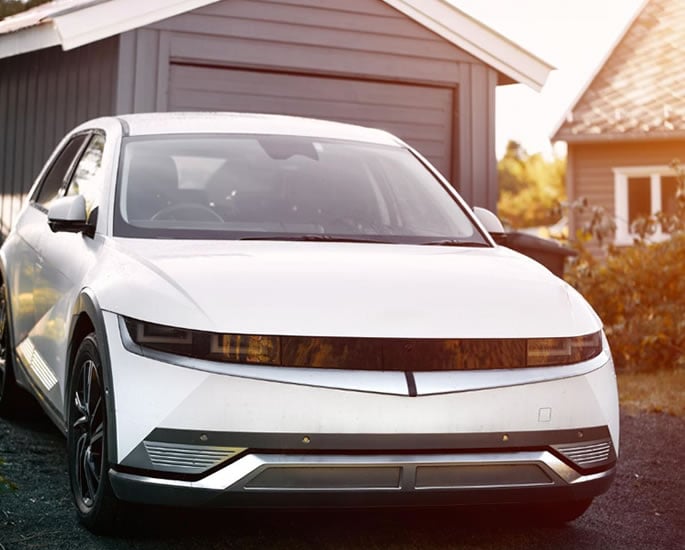
The more interesting shift lies in what electric cars can do when they are not being driven.
Most vehicles spend around 95% of their time parked. For EVs, that idle time represents stored energy that often goes unused.
Vehicle-to-grid technology is changing that. It allows electricity to flow back from the car into the network when demand rises.
Instead of drawing entirely on power stations, the grid can tap into thousands, or eventually millions, of connected vehicles.
Alex Schoch, Octopus Energy’s director of electrification, said: “turns your car into a virtual power plant”.
The numbers behind that idea are practical. An average electric car stores about 40 kilowatt hours of energy. That is enough to power a typical UK home for several days.
Schoch added: “It lets EVs not just charge from the grid, but send energy back, powering homes, balancing the grid, or even supporting your neighbour’s kettle.”
In an energy crunch, that flexibility matters. Gas-fired power stations currently handle spikes in demand, but they are also a major source of price volatility. Drawing on stored electricity from vehicles spreads that load more evenly.
The long-term potential is substantial.
If half of the expected 11 million EVs on UK roads by 2030 supported two-way charging, they could supply 16 gigawatts of electricity each day. That is close to half the output of Britain’s gas-powered generation.
Schoch said EVs could become “a resilient, distributed virtual battery that could be a core part of absorbing price shocks”.
This changes the role of the car in a subtle but important way. It becomes part of the energy system, not just a means of getting from one place to another.
Why is Momentum Slipping?
Despite the clear advantages, the shift towards electric vehicles is not moving as quickly as it could. Interest rises during moments of crisis, but it often fades once conditions stabilise.
Recent figures show that battery electric vehicles lost a small share of UK sales in February compared with the previous year.
Similar patterns appeared during the 2022 energy crisis. Short-term concern did not translate into long-term buying habits.
Practical barriers still play a role.
Vehicle-to-grid technology remains limited in everyday use. Fewer than 100 drivers currently use two-way charging on Octopus Energy’s tariff, although more than 10,000 have registered interest.
Policy is part of the problem. Drivers pay tax when charging their vehicles. If they sell electricity back to the grid and recharge later, they are taxed again. That reduces the financial incentive to take part.
Other countries have moved faster to fix this. Germany and the Netherlands have introduced policies to avoid double taxation. The UK has yet to follow.
There are also gaps on the manufacturing side.
Some vehicles already support two-way charging, including models from Volkswagen, Nissan and BYD. Wider rollout has not yet happened, though it is expected within the next few years.
At the same time, carmakers are adjusting their strategies.
Companies such as Ford, Volkswagen and Stellantis have scaled back EV investment after slower-than-expected sales. That has added uncertainty to the pace of change.
The policy backdrop is also shifting. The UK’s plan to phase out new petrol and diesel car sales by 2035 remains in place, but it is facing increasing pressure from industry lobbying.
Any delay risks slowing adoption further.
Electric cars are taking on a more practical role in how Britain manages energy risk.
The Iran war has highlighted how quickly global events can disrupt fuel supply and drive up costs. Cutting reliance on petrol and diesel offers a clear way to respond.
The early impact is already visible in reduced fuel demand.
Scaling that shift would give the UK more breathing space during future disruptions. The ability to store and return electricity adds another layer of flexibility.
The challenge now lies in turning potential into progress.
Policy gaps, infrastructure limits and market hesitation continue to hold back wider adoption. Addressing those barriers will determine how far and how fast this transition goes.
The cars are already here but what matters next is how effectively they are used.