


















































Diet plays a major role in shaping this body composition.
You can look slim, wear your usual clothes, and still carry hidden health risks that are easy to miss.
This is often described as being “skinny fat”, a term increasingly used across health and fitness conversations in the UK.
For many British South Asians, this is not just a trend but a common and deeply rooted body composition pattern.
It reflects a mismatch between appearance and internal health, where weight alone does not tell the full story.
Even with a “normal” BMI, higher body fat and lower muscle mass can quietly increase long-term health risks.
Understanding why this happens is the first step towards making more informed and effective lifestyle choices.
What It Means and Why It Happens
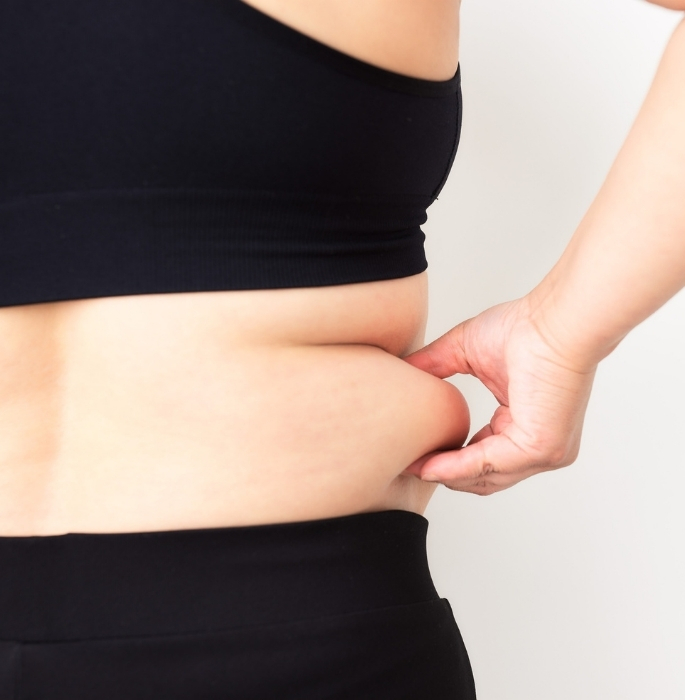 The term “skinny fat” refers to individuals who appear slim but have a higher proportion of body fat compared to lean muscle.
In South Asians, this often includes excess fat stored around the abdomen rather than evenly across the body.
This pattern is sometimes called the thin-fat phenotype, where outward appearance does not reflect internal metabolic health.
Research shows South Asians tend to carry more body fat at lower BMI levels compared to other ethnic groups.
This fat is often visceral, meaning it surrounds internal organs rather than sitting under the skin.
Visceral fat is strongly linked to insulin resistance and conditions like Type 2 Diabetes.
At the same time, South Asians often have lower levels of lean muscle mass, which reduces overall metabolic efficiency.
Genetics plays a role in how and where fat is stored within the body.
Historical adaptations to food scarcity may have favoured energy storage, which now works against us in calorie-rich environments.
Lifestyle factors such as low activity, poor sleep, and diet can make this pattern more pronounced.
However, these lifestyle factors do not fully explain why the pattern is so common in South Asians.
It is the combination of biology and modern living that creates this unique challenge.
Why It Matters for Your Health
 Being “skinny fat” is not just about appearance; it has serious implications for long-term health.
South Asians are more likely to develop metabolic conditions at lower BMI levels than many other populations.
This includes higher risks of cardiovascular disease, insulin resistance, and metabolic syndrome.
Because the body appears slim, these risks are often overlooked until symptoms begin to show.
Two people can have the same weight, yet very different health outcomes based on body composition.
Waist size, strength, and fitness levels are far more meaningful indicators than the number on the scale.
How Diet and Lifestyle Play a Role
 Diet plays a major role in shaping this body composition, especially within traditional South Asian eating habits.
Meals often revolve around large portions of rice, roti, or naan, with protein taking a secondary role.
This creates a higher carbohydrate intake without enough protein to support muscle maintenance.
Refined carbs and sugary foods can further increase fat storage, particularly around the abdomen.
Fried snacks, sweet drinks, and desserts also contribute to excess calorie intake.
The key shift is not simply eating less, but rebalancing meals to support muscle and reduce fat.
A more effective approach focuses on moderate carbohydrates, higher protein, and fibre-rich vegetables.
Protein sources such as eggs, chicken, fish, dal, tofu, and Greek yoghurt support muscle growth and repair.
Reducing the portion sizes of rice and roti can help manage calories without cutting out cultural staples.
Non-starchy vegetables like spinach, cauliflower, and okra add volume and nutrients to meals.
Limiting oil-heavy cooking and sugary foods can further improve results over time.
This balanced approach is far more sustainable than restrictive or extreme diets.
What Actually Works for South Asians
 For many South Asians, the most effective strategy is building muscle while reducing excess body fat.
A simple plate rule can help, with half vegetables, one quarter protein, and one quarter carbohydrates.
In some cases, reducing carbohydrates slightly further can help target stubborn abdominal fat.
Vegetarians should prioritise protein-rich foods like rajma, chana, tofu, paneer, and Greek yoghurt.
Adding protein to breakfast and snacks can prevent meals from becoming overly carb-heavy.
For non-vegetarians, including chicken, fish, or eggs regularly can make it easier to meet protein needs.
Strength training is particularly important, as it helps increase lean muscle and improve metabolic health.
Regular movement, including walking and daily activity, also supports fat loss and energy balance.
Sleep and stress management play a role in regulating hormones linked to fat storage.
Consistency with these habits matters more than quick fixes or short-term trends.
Small, sustainable changes often lead to the most effective long-term results.
The goal is not perfection, but steady progress that fits into everyday life.
The “skinny fat” phenomenon shows why appearance alone is not a reliable measure of health.
For South Asians, genetic and cultural factors make this pattern both common and more impactful.
Understanding body composition rather than focusing only on weight can lead to better health decisions.
Simple dietary changes, combined with strength training, can significantly improve overall well-being.
It is not about abandoning traditional foods, but adapting them to suit modern lifestyles.
With the right awareness, South Asians can build stronger, healthier, and more balanced bodies over time.