

















































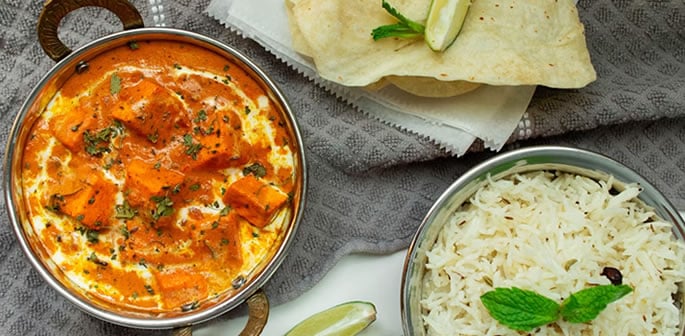
“There is a lot of racism when it comes to what is elevated cuisine."
Is racism stopping Indian cuisine from receiving the recognition it deserves in fine dining?
Restaurateur Asma Khan believes it is, arguing that global attitudes towards cuisine are still shaped by outdated ideas about which cultures are considered sophisticated.
Despite dishes such as chicken tikka masala, biryani and samosas becoming deeply embedded in British food culture, Indian cuisine continues to face barriers when compared with French, Italian and Japanese gastronomy.
Khan says this divide is about the way certain cuisines have been valued differently because of race and colonial legacies.
Speaking on What Now? with Trevor Noah, Asma Khan explained why she believes South Asian food’s centuries-old traditions deserve greater recognition and respect.
Is Indian Cuisine Undervalued?
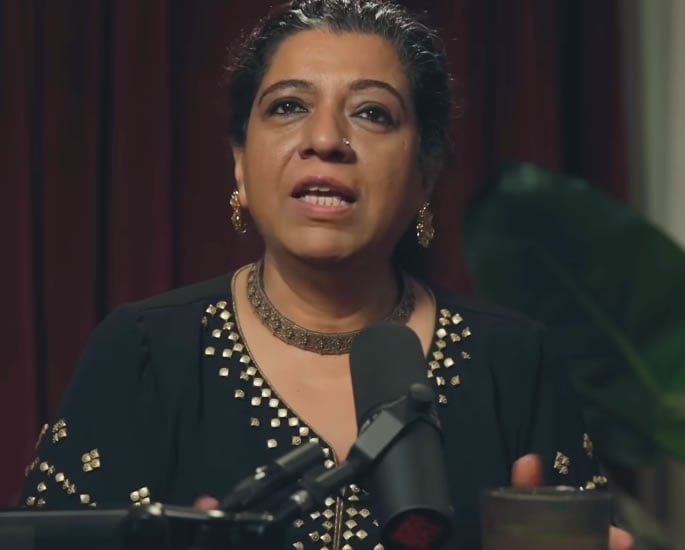
Indian food has become one of the most familiar and widely enjoyed cuisines in Britain.
From local curry houses to supermarket shelves and food delivery platforms, Indian dishes have become part of everyday life.
However, Asma Khan argues that popularity has not always translated into prestige.
The founder of Darjeeling Express said the global hierarchy of food has historically favoured European cuisines, while many Asian, African and Middle Eastern cuisines have been viewed through a different lens.
She said: “There is a lot of racism when it comes to what is elevated cuisine.”
She highlighted how French and Italian food have long been associated with luxury dining, while Japanese and Korean cuisines have increasingly gained recognition within the fine dining world.
Indian cuisine, despite its complex regional identities and centuries of culinary development, has often remained associated with affordability and casual dining rather than refinement.
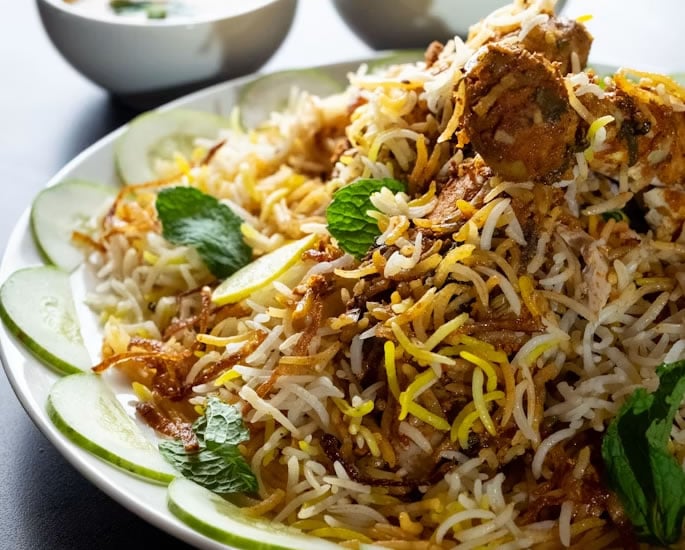
Khan recalled being told that customers would not pay £139 for one of her biryanis because Indian food was not considered valuable enough.
She proved the critics wrong as the meal sold out in minutes.
For Khan, the moment represented more than commercial success. It demonstrated that diners were willing to invest in Indian food when it was presented with the same care, storytelling and recognition given to other global cuisines.
Why Indian Food deserves Greater Recognition
Asma Khan believes the issue goes beyond restaurants and reflects a wider misunderstanding of food history.
She argues that many ingredients, farming practices and culinary techniques that influence global eating habits have roots in regions that are often overlooked.
She stated: “Our food heritage goes back centuries.”
Referring to Africa, South Asia and the Middle East, Khan added:
“This is the cradle of civilisation. So much of what we eat today is because of what happened in our lands.”
For Khan, food tells the story of the people who cultivated ingredients, developed recipes and preserved traditions across generations.
“The world eats because of us. In the dust that flies are the souls of these amazing men and women who grew crops. No one is telling their story.”
Her comments challenge the way food is often presented through celebrity culture, particularly the idea that great cooking is only connected to individual chefs.
Instead, Khan argues that cuisine should recognise the communities, farmers and families behind every dish.
She has also criticised the traditional image of the celebrity chef, which has often centred around aggressive kitchen environments and the idea of the isolated culinary genius.
According to Khan, food should celebrate heritage and collective knowledge rather than focusing solely on individual personalities.
The Issue with Calling Everything “Curry”
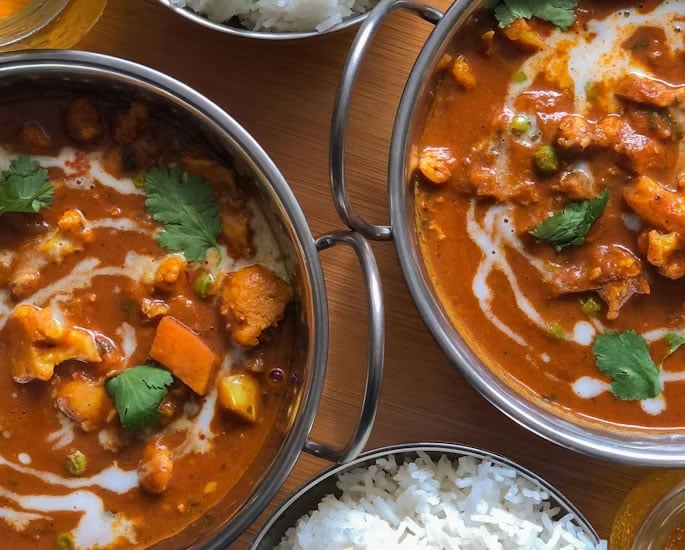
Another issue Asma Khan has highlighted is the way Indian cuisine is often simplified, particularly through the widespread use of the word “curry”.
While curry has become a familiar term in Britain, it is a broad label that does not reflect the diversity of South Asian cooking.
Indian cuisine includes thousands of regional dishes shaped by geography, climate, religion, migration and local ingredients.
The food of Punjab differs significantly from the cuisines of Kerala, Gujarat, Bengal or Rajasthan.
Reducing this variety into a single category can contribute to the perception that Indian food is one-dimensional rather than a collection of highly developed culinary traditions.
Khan argues that this lack of recognition has played a role in preventing Indian cuisine from receiving the same cultural status as other international cuisines.
Her comments have also connected food with wider discussions about identity and belonging.
At the We The Women conference, Khan said: “If you can’t accept us, don’t eat our food”, criticising what she described as a contradiction between enjoying Indian cuisine while ignoring the communities and histories behind it.
She has repeatedly argued that food cannot be separated from politics, culture and migration, famously stating that “food is political”.
Asma Khan’s comments highlight a wider conversation about how cuisines gain recognition and why some food traditions are celebrated as prestigious while others are treated as everyday staples.
Indian cuisine has shaped Britain’s food landscape for decades, but Khan believes its cultural value must be recognised alongside its popularity.
Her argument is not simply about restaurants or awards, but about acknowledging the farmers, communities and histories that have shaped the food millions of people enjoy today.
As Britain continues to embrace Indian flavours, the question remains whether it will also fully recognise the heritage and expertise behind them.
Watch the Full Interview with Asma Khan