

















































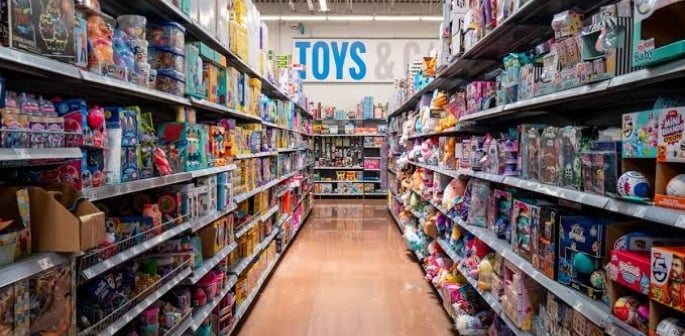
Traditional games have also recorded 17% growth
Christmas shopping is entering one of its busiest periods, with toys once again becoming a major focus for retailers and families across the UK.
From colourful squishy toys and creative building sets to traditional board games, changing interests among children are helping drive growth across the toy industry.
The latest figures suggest that the sector is experiencing its strongest performance in a decade, despite continued financial pressures affecting households.
For businesses, this presents an opportunity to attract shoppers looking for affordable presents, family activities and products that offer lasting entertainment.
It also highlights how Christmas spending habits are evolving, with parents, relatives and adult collectors contributing to demand in different ways.
A Growing Toy Market Ahead of Christmas

The UK toy industry has experienced a significant increase in sales during 2026, providing retailers with encouraging figures ahead of the festive shopping rush.
Research from consumer data company Circana shows that the number of toys sold between January and October was 17% higher than during the same period in 2025.
The growth represents a ten-year high, demonstrating how consumer interest has strengthened despite ongoing cost-of-living pressures.
Squishy toys and stickers experienced the biggest increase, with sales rising by 45%. Building sets followed with 32% growth, while traditional games and action figures both increased by 17%.
Other categories also recorded positive performances, including plush toys, outdoor products and youth electronics.
These figures suggest that demand is spread across different types of products rather than depending on one particular trend.
Christmas remains particularly important for the industry because almost half of annual toy sales typically take place during the final months of the year.
During the previous year’s busiest shopping week, between December 14 and 20, approximately 23 toys were sold every second across the UK.
For retailers, this creates opportunities to increase revenue through seasonal promotions, carefully selected stock and products appealing to different budgets.
Independent toy shops and online businesses will all be competing for customers as families begin purchasing presents.
However, maintaining availability of popular products and offering competitive prices will be important as shoppers compare their options.
Why Affordable Toys and Traditional Play Are Attracting Families
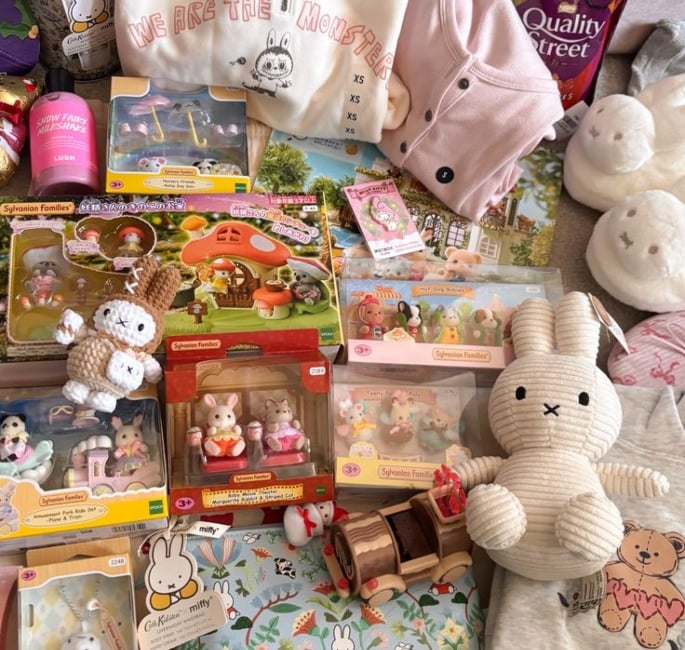
One of the most interesting developments is the growing popularity of toys priced between £5 and £10.
With household expenses continuing to influence shopping decisions, families are increasingly conscious of how much they spend on Christmas presents.
Rather than focusing exclusively on expensive products, shoppers may look towards smaller gifts that provide entertainment without significantly increasing their overall spending.
Squishy toys, stickers and other sensory products have benefited from this demand, making them suitable for stocking fillers and additional presents.
For British Asian families, the festive shopping period can also involve buying gifts for younger cousins, nieces, nephews and family friends.
This creates opportunities for retailers to attract shoppers looking for affordable presents across different age groups.
However, affordability does not necessarily mean customers are willing to compromise on quality. Parents still want products that are suitable for their children’s ages, safe and capable of providing lasting entertainment.
Another important development is the renewed interest in toys that encourage children to spend less time looking at screens.
Building sets, board games and creative products offer alternatives to digital entertainment while encouraging imagination and interaction.
Circana’s research indicates that connected toys account for less than 1% of the UK toy market, suggesting traditional hands-on products continue to dominate.
Building sets have been particularly successful, with sales increasing by 32% during 2026.
Products from established brands such as LEGO continue to attract children interested in constructing vehicles, buildings and imaginative designs.
Traditional games have also recorded 17% growth, highlighting renewed interest in activities that families can enjoy together.
The Growing Influence of Adult Toy Collectors
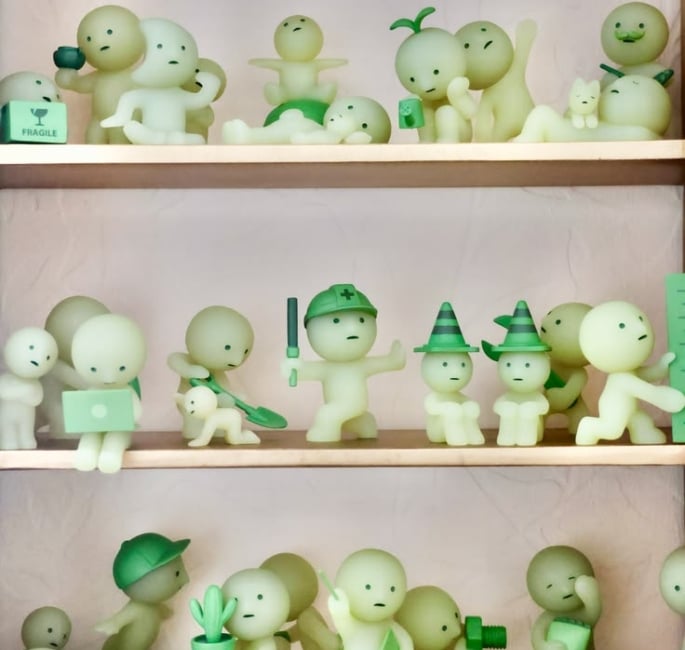
Children are not the only consumers contributing to the industry’s growth.
The ‘kidult’ market, which includes teenagers and adults aged over 12, has become an increasingly important part of toy retail.
Circana reported a 22% increase in the value of sales to this group during the first half of 2026.
Adults are purchasing toys for themselves through collecting figures, building sets, revisiting childhood interests and buying merchandise connected to popular entertainment franchises.
This creates additional opportunities for retailers, particularly during Christmas when toys appeal to both traditional gift buyers and collectors.
Licensed products and nostalgic merchandise can attract older consumers willing to spend on particular interests.
For some adults, collecting toys is connected to childhood memories, while others enjoy displaying products or completing collections.
This has encouraged retailers to recognise that their customer base extends beyond parents purchasing presents for young children.
Dedicated collector ranges, product displays and social media campaigns can help businesses reach older audiences.
The trend also creates opportunities for gift purchases, as friends, partners and relatives look for products connected to someone’s hobbies or favourite entertainment franchises.
What the Christmas Rush Means for Retailers
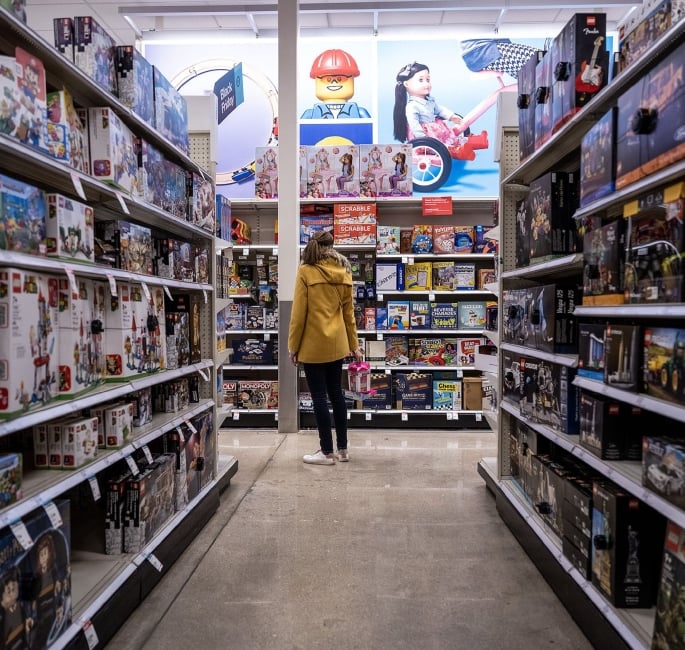
Despite the encouraging figures, retailers still face challenges during the Christmas shopping period.
Competition between independent shops, supermarkets and online marketplaces means businesses must work harder to attract customers.
Shoppers are likely to compare prices, search for promotions and check product availability before making purchases.
Stock management will therefore be important for retailers hoping to benefit from increased demand, particularly when certain products become popular through social media or seasonal recommendations.
Product safety is another consideration, particularly when families are purchasing presents for younger children.
The British Toy and Hobby Association encourages consumers to purchase from reputable retailers and check product information, age recommendations and safety warnings.
Parents should also pay attention to potential hazards involving small parts, magnets, and batteries when buying toys for younger children.
For independent businesses, providing reliable customer service and selling genuine products can help establish trust with families.
Retailers may also benefit from highlighting products at different price points, helping customers find suitable gifts without exceeding their budgets.
The latest sales figures demonstrate that consumer interest in toys remains strong, even as households continue to manage financial pressures.
Squishies, building sets and traditional games are currently attracting attention, while adult collectors are creating another source of demand.
As retailers prepare for the busiest weeks of the year, offering affordable, engaging and reliable products could help them make the most of the Christmas shopping season.