

















































"it is better to exit the partnership"
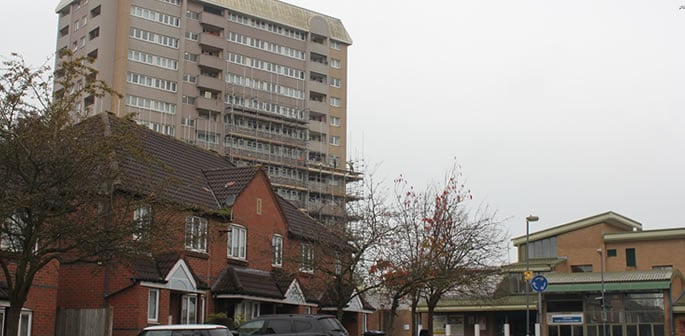
A £2.2 billion plan to transform one of Birmingham’s largest inner-city neighbourhoods has collapsed after the city council and its development partner admitted the project was no longer financially viable.
Birmingham City Council and Berkeley St Joseph have agreed to terminate their partnership for the Ladywood regeneration project, bringing seven years of planning to an end and leaving the future of the ambitious scheme uncertain.
The proposals were once described as the largest planned urban regeneration project in the UK.
It was intended to reshape Ladywood over the next 20 years.
Plans included thousands of new homes, improvements to existing social housing and significant investment in the neighbourhood, with at least 20% of the new properties designated as affordable.
But rising construction costs, tighter regulations and challenging conditions in the housing market have made the original proposals financially unviable.
In a joint statement, the council and developer said:
“Birmingham City Council and Berkeley have reluctantly agreed to terminate the development agreement for the Ladywood Regeneration Project.
“Rather than continue with uncertainty and delay, both organisations believe it is better to exit the partnership in a constructive and agreed manner.”
The decision marks a significant setback for a project that had already attracted considerable opposition from residents concerned about the potential demolition of hundreds of homes and the prospect of families being forced to relocate.
Some residents had also accused the council of failing to properly consult the community, with the planning process described as confusing and leaving families uncertain about their future.
The development was expected to take up to 20 years to complete, with construction potentially beginning in 2028. Its collapse means those plans will no longer go ahead under the original agreement.
Despite ending the partnership, the council insists regeneration in Ladywood has not been abandoned.
Instead, it says a different approach will now be needed and plans to begin fresh discussions with residents about the future of the neighbourhood.
In a letter to households, the council and developer acknowledged the disappointment caused by the decision, saying:
“We recognise that many residents will feel frustrated and deeply disappointed by this news and by the delay it represents.”
Delivering genuinely affordable homes remains a priority for the council, which continues to describe Ladywood as a once-in-a-generation opportunity for regeneration.
However, with the original agreement now terminated, there is no confirmed timetable for a replacement scheme or clarity over what future development in the area will look like.
The council has also apologised to residents who spent years engaging with the proposals, saying it is “sorry that the programme cannot continue as planned”.