



















































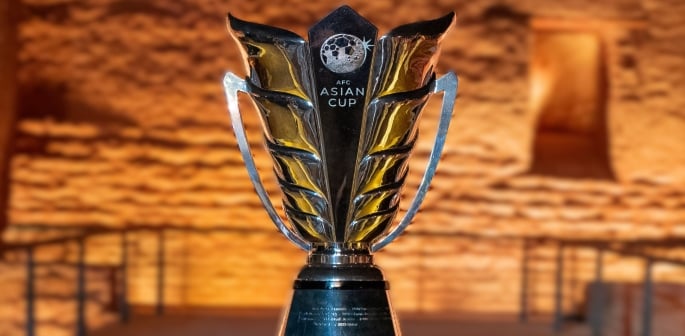
The Asian Cup offers a platform for greater visibility
The 2027 AFC Asian Cup has been postponed by almost a year, becoming the biggest sporting event affected by the Middle East conflict.
The tournament, which was due to take place in Saudi Arabia, was expected to bring together some of the continent’s biggest footballing nations, alongside teams hoping to make their mark on the international stage.
For supporters, the competition is about more than football, with national pride and a shared connection to their heritage playing a big part in the excitement.
This is particularly true for South Asian communities in Britain, where following national teams can bring families and generations together.
However, the latest developments in the region have forced organisers to reconsider their plans, raising fresh questions about the future of major sporting events during periods of political instability.
The postponement is a significant moment for Asian football, but what does it mean for the teams, supporters and communities who have been looking forward to the competition?
Why Has the Asian Cup Been Postponed?
The Asian Cup was originally scheduled to take place in Saudi Arabia from January 7, 2027, bringing together 24 national teams from across the continent.
But on November 3, the AFC announced that the competition would be moved to a new date, with the final now scheduled for January 21, 2028.
The decision followed discussions between the AFC, the Saudi Arabian Football Federation and the local organising committee. In its statement, the governing body referred to ‘exceptional circumstances’ that had made it difficult to deliver the tournament as originally planned.
Saudi Arabia has faced a series of missile and drone attacks attributed to Yemen’s Iran-aligned Houthi movement, with airports and energy infrastructure among the reported targets.
These developments have raised concerns about the safety of international visitors and the practicalities of hosting thousands of players, officials, journalists and supporters.
A recent attack on Riyadh’s international airport reportedly killed at least 12 people and injured more than 300, adding to concerns about the security situation.
With teams and fans expected to travel from across Asia, the risks surrounding transport and public safety have become increasingly difficult to overlook.
The AFC said the postponement was made “in the interest of all participating teams, officials, spectators and other stakeholders”.
Although disappointing for those looking forward to the competition, the decision reflects the challenges of staging an international sporting event during a period of regional instability.
A Setback for Asian Football

The Asian Cup is the continent’s premier international football competition, providing national teams with an opportunity to compete for one of the sport’s major regional honours.
While countries such as Japan, South Korea, Iran, Saudi Arabia and Australia are among the established names in the competition, the 24-team format also gives emerging football nations an opportunity to gain international attention.
For countries like Jordan, participation on this stage carries particular significance.
A major tournament can help raise the profile of national teams, attract new supporters and provide players with valuable experience against stronger opposition.
The competition also offers players an opportunity to showcase their abilities to international scouts, clubs and broadcasters.
For those representing countries with less established footballing infrastructure, that exposure can be particularly valuable.
The revised schedule will mean a longer wait for players and coaching staff who have been preparing for the original dates. National associations will now need to review their training programmes, international friendlies and squad preparations around the new tournament window.
There are financial considerations too, with broadcasters, sponsors, host cities and businesses having already made arrangements around the original January 2027 schedule.
Moving the competition by almost a year will require changes to ticketing, marketing campaigns, accommodation bookings and other arrangements.
What Does the Delay Mean for South Asian Fans?

For South Asian football fans in Britain, the Asian Cup provides an opportunity to follow national teams with strong cultural and family connections.
Football may not always receive the same attention as cricket across parts of South Asia, but international competitions still bring supporters together.
For British Asian families, following a national team can be about more than the result, particularly when it represents a country connected to their heritage.
Matches are often watched at home with relatives, in local cafés or at community venues where supporters come together to follow the action.
These occasions can also introduce younger British Asians to national teams and footballing traditions that their parents and grandparents have followed for years.
The Asian Cup offers a platform for greater visibility, helping supporters feel connected to the wider footballing landscape.
The postponement means fans will have to wait longer for the next edition of the competition. However, the additional preparation time could also give participating nations an opportunity to strengthen their squads and develop younger players.
For supporters, the hope will be that the tournament eventually goes ahead without further disruption, allowing teams from across Asia to compete in front of their fans.
How Will the New Dates Affect Football?
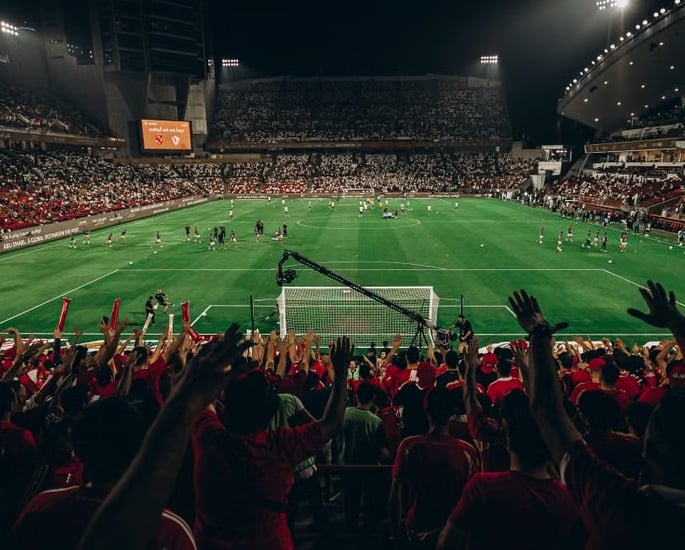
The revised dates will create a different set of scheduling challenges for clubs and national teams.
The tournament will now take place during the busy winter football calendar, when domestic leagues across Europe are in full swing.
Clubs with Asian international players may have to manage their squads without key individuals during an important period of the season.
This could be particularly relevant for European clubs employing players from Asian national teams, as international call-ups may affect league fixtures and cup competitions.
Managers and national team coaches will need to coordinate preparations to ensure players can meet their international commitments.
The timing also places the competition close to Ramadan, which may be an important consideration for Muslim players, officials and supporters.
Match schedules, training arrangements and travel plans could all require careful planning around the religious observance.
For British fans, however, the festive timing could offer some opportunities to follow the competition. With matches taking place between Christmas and January, some supporters may have more flexibility to watch games during their time away from work or education.
The AFC will now need to secure FIFA’s approval for the revised dates before participating countries and other stakeholders can finalise their arrangements.
Sport and Conflict: An Increasingly Difficult Balance
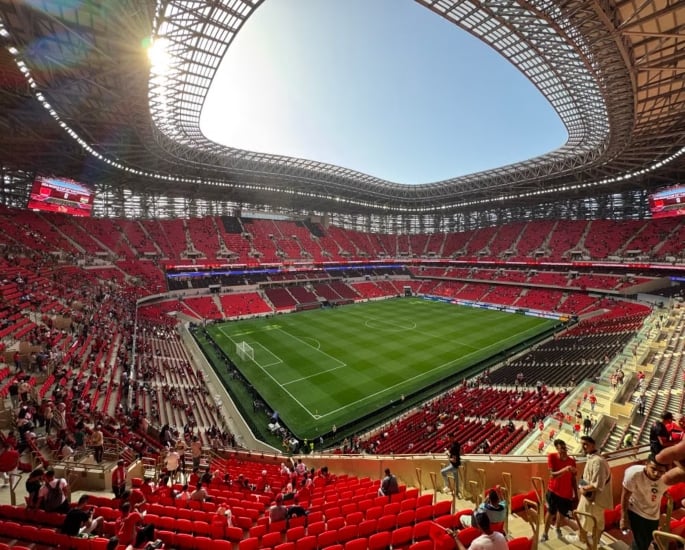
The Asian Cup postponement highlights how quickly international sport can be affected by events beyond the control of organisers.
Major tournaments depend on more than stadiums and football pitches. Airports, hotels, transport networks, security arrangements and reliable travel routes are all essential to bringing together teams and supporters from different countries.
When these facilities and routes are affected by conflict, organisers face difficult decisions about whether an event can realistically go ahead.
The safety of players and spectators must be considered alongside the financial and sporting consequences of postponement.
Saudi Arabia had previously maintained that preparations for the tournament were continuing despite security concerns. However, the changing situation has forced a reassessment, with the AFC ultimately deciding that moving the competition was the more responsible course of action.
International sport has faced similar challenges before, with political instability and conflict affecting competitions, venues and the ability of teams to travel.
The scale of the Asian Cup makes this latest postponement particularly significant, given the number of countries and communities affected.
For players, the decision will undoubtedly be frustrating after months of preparation. However, the opportunity to compete at an international tournament should never come at the expense of the safety of those involved.
What Happens Next?
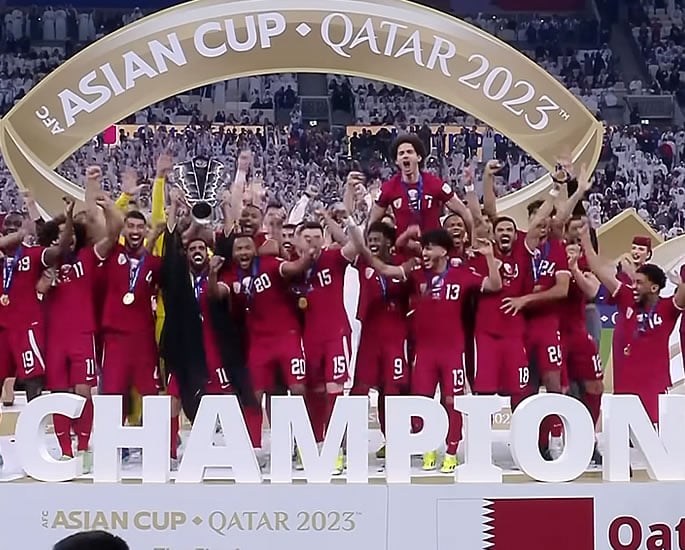
The immediate priority for the AFC and Saudi organisers will be to secure FIFA approval for the revised schedule and provide participating nations with greater clarity about the arrangements.
National teams will then have to adjust their preparations, including training camps, friendly matches and player selection. Coaches may also use the additional time to assess emerging talent and strengthen their squads ahead of the competition.
For Asian football, the postponement is a setback, but it does not mean the opportunity has disappeared.
The Asian Cup remains an important platform for teams across the continent, particularly those looking to build a stronger international presence.
British Asian supporters will also be hoping that the revised dates allow the tournament to go ahead as planned. For many, it will be another opportunity to celebrate their footballing heritage and follow the national teams they have supported for years.
The Asian Cup’s move to late 2027 is a reminder that even the biggest sporting competitions cannot operate independently of the world around them.
Football may bring communities together, but ensuring that players, officials and supporters can take part safely must always come first.