

















































“I loved all the original bhangra songs"
Punjabi music has always been shaped by its ability to evolve while maintaining a connection to its cultural roots.
In recent years, familiar melodies and sounds from previous decades have found their way back into contemporary releases.
From reworked folk songs to remixes inspired by classic Bhangra, nostalgia is becoming an important part of the genre’s development.
Younger listeners are discovering music that previously belonged to their parents’ generation, while older audiences are revisiting songs associated with their childhood and memories.
This renewed interest raises the question of why Punjabi music is looking backwards while continuing to move forwards.
The Return of an Era
The 1990s were an important period for Punjabi music, particularly with the growth of Bhangra and the emergence of artists who helped establish its modern sound.
Traditional Punjabi instruments and folk melodies were increasingly combined with reggae, hip-hop, electronic music, and Western pop influences.
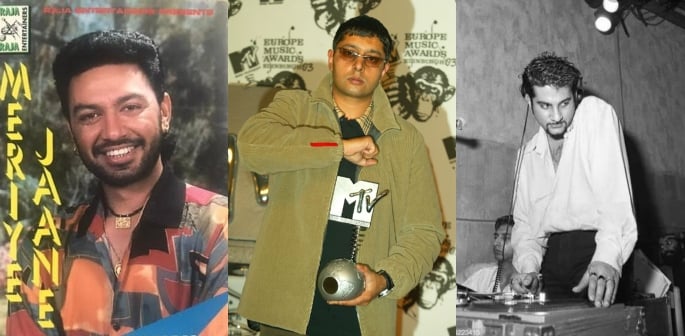
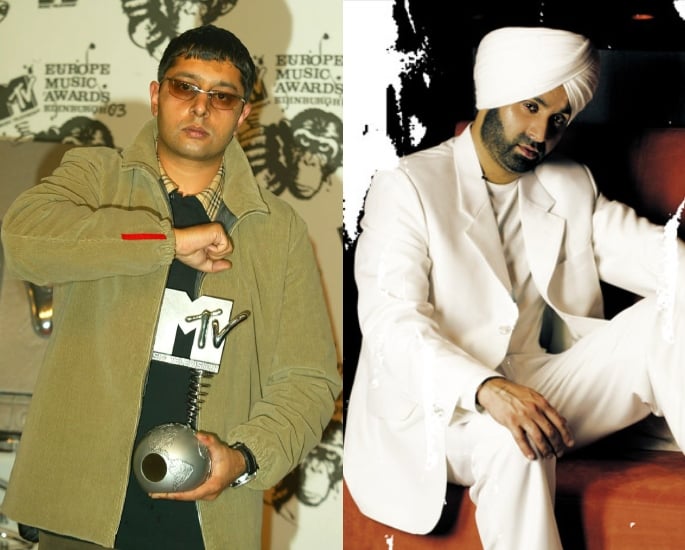
Artists including Manmohan Waris, Sukhshinder Shinda, Bally Sagoo, and Jazzy B became influential figures during this period, each bringing a different approach to Punjabi music.
Sukhshinder Shinda became recognised for his distinctive production and incorporation of traditional Punjabi instrumentation, while Bally Sagoo experimented with reggae, hip-hop and electronic influences.
Meanwhile, Jazzy B helped establish a recognisable British Bhangra sound, and Manmohan Waris continued to champion Punjabi folk traditions.
Their contributions helped create a musical foundation that continues to influence contemporary performers and producers.
One of the most recognisable examples of Punjabi music reaching international audiences was Panjabi MC’s ‘Mundian To Bach Ke’.
Originally released in 1998, the track combined Punjabi vocals and Bhangra rhythms with a bassline inspired by the television series Knight Rider.
It was reissued in 2002 and gained further international recognition, becoming a significant crossover moment for Punjabi music.
The influence of this period can still be heard in modern Punjabi music, particularly as producers revisit the sounds that helped shape the genre.
Rather than simply recreating older tracks, many are using familiar musical elements as inspiration for new arrangements.
Remixes and Samples
One of the clearest ways nostalgia is influencing Punjabi music is through the return of older songs in updated forms.
Remixes and reworked classics allow producers to retain recognisable melodies while introducing different beats, arrangements and production techniques.
Sampling has also become an important part of this process.
Rather than recording an entire song again, producers can incorporate elements of an existing recording, such as a vocal, instrumental or distinctive melody, into a new composition.
This approach has a long history within Punjabi music.
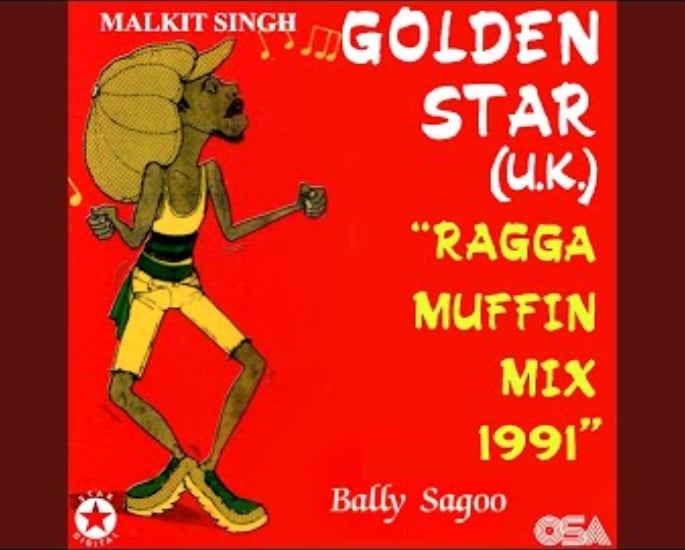
Bally Sagoo helped popularise the fusion of Punjabi sounds with reggae, hip-hop and electronic influences during the 1990s.
His 1992 album ‘Essential Ragga’, featuring ‘Kali Teri Gut’ with Rama and Cheshire Cat, demonstrated how traditional Punjabi material could be transformed through contemporary production.
The approach has continued through more recent projects.
Panjabi MC’s approach reflects how artists can preserve the character of traditional Punjabi music while adapting it for changing audiences.
Speaking to The Guardian, he explained: “I loved all the original bhangra songs, but they were recorded live so they were loose. My thing was to tighten them up.
These projects demonstrate that nostalgia does not necessarily mean reproducing an older song exactly.
Producers can use its musical foundations to create something that reflects contemporary listening habits.
Can Nostalgia Shape the Future of Punjabi Music?
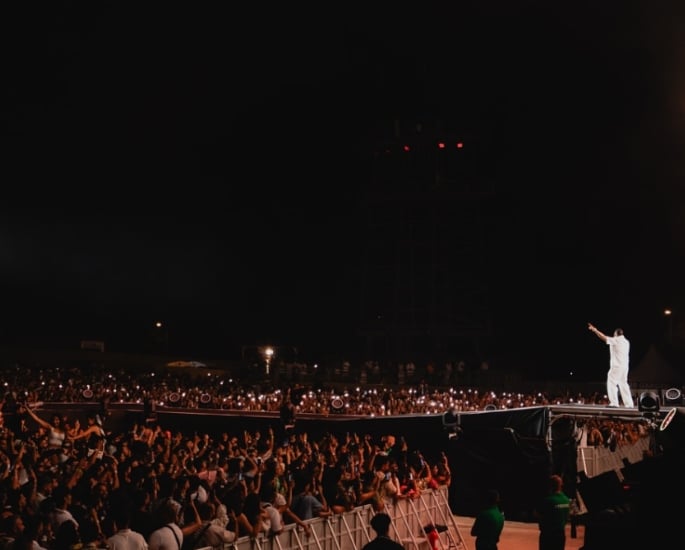
The renewed interest in older Punjabi music is also creating opportunities for artists to explore the relationship between different generations.
For many British Asian families, music from the 1990s remains closely associated with weddings, parties and community celebrations.
Revisiting these sounds allows younger generations to experience some of the music that shaped their parents’ cultural experiences.
There is also an important role for producers in preserving Punjabi music’s musical heritage.
By revisiting older recordings, recognising original performers and introducing traditional sounds to new audiences, they can help ensure that influential songs remain part of the genre’s development.
As familiar sounds find new audiences through remixes, samples, and contemporary interpretations, the sounds of an earlier generation are continuing to influence what comes next.