

















































“They prey on these vulnerable girls"
Talking about sex, relationships and intimacy can still be difficult for many South Asian women.
Growing up, conversations about female sexuality were often shaped by expectations around purity, modesty and shame.
Social media is now giving younger South Asian women a space to discuss topics that were rarely addressed at home.
TikTok creators are using the platform to speak openly about sex and challenge long-standing taboos.
They are also asking what happens when women are left to navigate intimacy without being taught how to talk about it.
Challenging the Taboo Online
Sexuality can remain a difficult subject in some South Asian families and communities, particularly for women.
Conversations about sex, desire and the female body can be discouraged by expectations around modesty, respectability, family honour and traditional gender roles.
For some women, this silence begins early, with girls being told about how they should dress, behave and present their bodies.
Yet those same women may later be expected to enter marriage and navigate intimacy without having had open conversations about sex, relationships or their own desires.
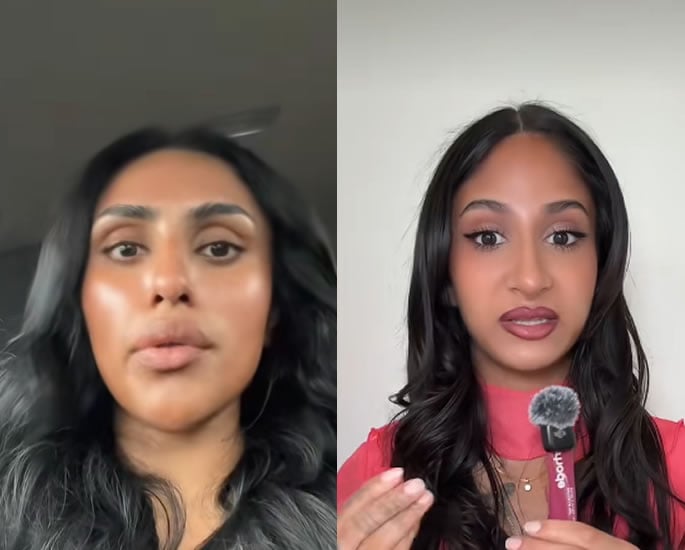
Social media is increasingly challenging this silence, with South Asian women using the likes of TikTok to openly discuss female sexuality and question the shame surrounding it.
Creator @inyouim says women are often taught to view their sexuality as “nasty” or “dirty”, while men are seen as naturally sexual.
“They have sort of manipulated society into believing that men are sexual beings and women are just these non-sexual things of servitude.”
She also highlights the paradox women face growing up: they are told not to talk to boys, but then suddenly expected to find a husband.
For @inyouim, keeping women silent about sexuality does not protect them; instead, it can leave them without the knowledge they need to understand relationships and intimacy.
“You’re psychologically confusing the girls as to what they’re meant to be doing because you haven’t stayed consistent with your message.”
Meanwhile, TikToker @itsmariam addresses how shame surrounding women’s bodies can be instilled from a young age, particularly within South Asian communities.
She recalls being taught not to “look too attractive” or “explore your body”, arguing that these messages can create a disconnect between women and their own sexuality.
Mariam adds: “You eventually stop believing that your body even belongs to you and that your body is something to hide.”
Mariam also reflects on previous generations of women, suggesting that sex was often viewed as something they “endured” or “gave” to their husbands, rather than something linked to their own pleasure.
@Inyouim similarly argues that the silence surrounding sexuality should not automatically be attributed to Islam, but understood through the influence of cultural fear and generations of shame.
She adds:
“The silence didn’t come from revelation. It came from cultural fear.”
It is this silence that can cause women to enter marriage feeling anxious and uncomfortable when discussing intimacy.
When sexuality is treated as something to be ashamed of, women may enter relationships without knowing how to communicate their needs, boundaries or expectations.
For many South Asian women, speaking openly about sex is therefore not about rejecting cultural or religious values.
Instead, it can create space for honest conversations about sexuality, relationships, intimacy and consent.
“The Virgin or the Whore”
South Asian women can face conflicting expectations around sexuality.
They may be expected to remain innocent and sexually inexperienced, while women who openly express sexual desire can face criticism or judgement.
This can leave young South Asian women with little space to understand their sexuality, relationships and sexual experiences without feeling shame or pressure.
@nikkippatel, a South Asian creator who discusses self-care, relationships and sexuality online, says intimacy is rarely discussed openly in many South Asian communities.
She says this can leave young women learning about sex and relationships from friends, the internet and social media instead.
Nikki believes this can create a damaging divide between “the virgin or the whore”, with women judged at either end of the spectrum.
She describes the idea of the “perfect brown woman” as “the virgin who doesn’t know what she’s doing and needs to be taught, or the whore who will let them do anything”.
Nikki also warns that women who have not been taught about intimacy and safe relationships can be vulnerable, saying:
“They prey on these vulnerable girls who haven’t been taught anything about intimacy or safe relationships.”
She believes more open conversations about intimacy, consent, boundaries and body confidence can help women understand their sexuality without shame.
Are Men Really More Sexual than Women?

The idea that men are naturally more sexual than women is also being challenged online.
In some South Asian communities, men can be expected to be more open about sexual desire, while women are often expected to be modest and less expressive.
A video from Dawah Man discussing sexual roles sparked a strong reaction after he argued that when a woman takes the dominant position during intimacy, “it puts the man in the woman’s position”. He said men are generally expected to be “in control”.
His comments were met with ridicule, with South Asian creator @lovemonger786 even turning the argument into a Punjabi parody song.
The response highlighted how social media is giving South Asian women and creators a space to question traditional ideas about masculinity, femininity and sexual roles.
These expectations can also shape what happens during sex.
Some South Asian men can feel pressure to provide, protect, lead and satisfy their partners. This can create an expectation that men should initiate sex, know what they are doing and take responsibility for their partner’s pleasure.
Women can face a different set of expectations, with some feeling they had been taught to be “shy” and not have a voice during sex, with the expectation that men should take control and women should follow.
This creates a difficult situation for both sides.
Men can be given more freedom to express sexual desire while also feeling pressure to perform, while women may be discouraged from expressing desire in the first place.
What looks like a difference in how men and women experience sex can therefore also be shaped by the roles they are taught to play.
Intimacy coach Amirah Zaky also challenges the idea that men naturally have a higher sex drive than women.
She explains that desire can take different forms, including “spontaneous desire” and “responsive” or “contextual desire”.
This means women may not necessarily experience less sexual desire, but may experience it differently.
Her perspective raises a bigger question about how much culture influences the way women express desire.
If women are taught to be quiet or passive about sex, while men are expected to take the lead, their behaviour may reflect those expectations as much as their individual levels of desire.
What Happens when Women Don’t get Answers at Home?
For many South Asian women, conversations about sex and intimacy may begin outside the home.
School, friends, the internet and social media can become important sources of information when young women start trying to understand their bodies, relationships and sexuality.
When sex is rarely discussed within families, social media can give women a space to ask questions, share experiences and find others going through similar things.
Conversations about periods, ovulation, contraception and intimacy can happen openly online, particularly for women who may not feel comfortable raising these subjects at home.
However, social media can also make it difficult to know what information to trust.
Personal experiences, opinions and health advice are often shared alongside each other, leaving young women to navigate useful information, misinformation and conflicting views.
This knowledge gap can be seen in the misconceptions that still surround South Asian women and sex.
When asked about some of the biggest misconceptions, several women suggested they are not expected to have sexual desires or preferences.
Simran* said: “That women should not have any desire or preferences.”
Aisha* added: “That women don’t have to enjoy sex.”
Sana* linked this expectation directly to ideas around purity, saying:
“South Asian women are expected to be virgins who can have romantic feelings but should not have sexual desires.”
These views point to a wider double standard around sexuality.
Male desire can be treated as natural or expected, while women may be encouraged to stay quiet about their own desires, preferences and experiences.
This does not necessarily mean women are less curious about sex or intimacy.
For some, it means they have had fewer opportunities to learn about these subjects openly, leaving social media to fill a gap in conversations that may never have happened at home.
Learning to feel Comfortable in your Own Body

Online conversations are also encouraging some South Asian women to rethink their relationship with their own bodies.
Content creator Burqa & Bikini discusses reconnecting with the body through breathwork and pleasure, particularly for women whose experiences may have made intimacy difficult.
Her content reflects a wider shift towards discussing sexuality as something connected to body confidence, healing and autonomy, rather than something centred entirely around men.
This openness is reflected by women telling DESIblitz that they had felt “ashamed”, “uncomfortable” or “embarrassed” when talking about their sexual feelings, desires or curiosity.
This suggests that for some women, having a space to talk about their bodies without judgement can be part of challenging the shame surrounding female sexuality.
The lack of sex education can also have consequences beyond relationships, particularly when it comes to consent and safety.
Why Sex Education is also about Safety
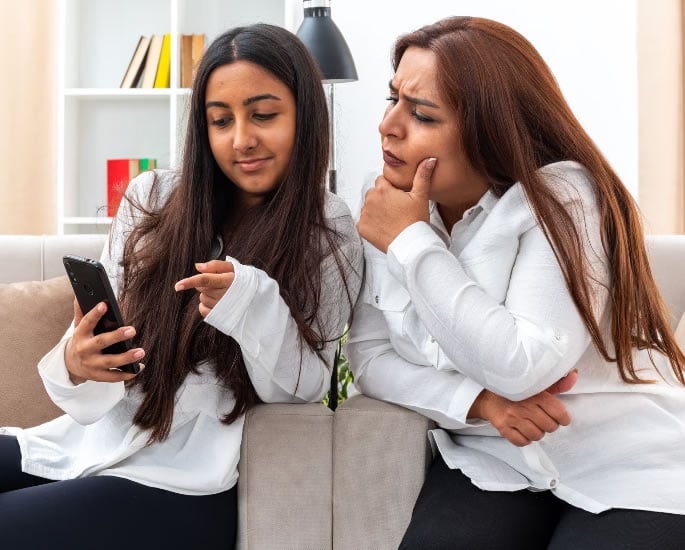
Sex education is about more than learning about sex. It can also help young people understand consent, personal boundaries and what makes a relationship healthy or unsafe.
Without these conversations, they may find it harder to recognise inappropriate behaviour, understand when a boundary has been crossed or speak up when something feels wrong.
Creator Pamo Jali argues that “silence protects them, but it doesn’t”, pointing out that young people will encounter conversations about sex online whether or not they discuss them with their parents.
She believes children should be taught about body autonomy, consent, boundaries and red flags, while also having a safe space to ask questions without fear or shame.
Nikki makes a similar point, warning that without proper education, young people can end up relying on uninformed friends or unreliable sources online.
The experiences shared by women also show how consent, sexual harassment and abuse can be overlooked when conversations about sexuality focus mainly on abstinence, modesty or reputation.
For young South Asian women, being able to talk openly about these subjects can help them understand their boundaries, recognise unsafe situations and feel more confident speaking up when something does not feel right.
And talking openly about sex is about more than sex itself.
It can mean having the confidence to understand their bodies, communicate boundaries, recognise consent and make informed choices without shame.
Social media has created a space where these conversations can happen, particularly for women who did not feel able to ask questions at home.
That does not mean rejecting cultural, religious or personal values. Women can hold those values while also wanting honest information about sexuality, relationships and intimacy.
TikTok and other online spaces have shown that there is an appetite for these conversations, from questions about sexual desire and pleasure to consent, body confidence and healthy relationships.
But social media cannot replace accurate sex education or safe conversations with trusted adults and partners.
It can provide a starting point, allowing women to ask questions and realise they are not alone in what they are experiencing.
The bigger challenge is creating more spaces where those conversations can continue beyond the screen.
For a generation of South Asian women finding their voices online, talking about sexuality may be the first step towards making subjects that were once considered taboo easier to discuss in everyday life.