




















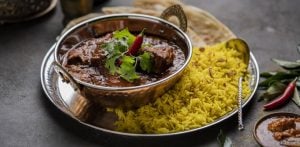





























A single British curry house delivery often exceeds the entire £20 weekly budget!
Rising grocery bills across Britain have forced many students, families and young professionals to rethink their weekly shopping habits.
Traditional South Asian home cooking offers a practical answer because everyday meals rely on inexpensive store-cupboard staples rather than costly meats.
Across British Asian kitchens, pulses, rice, potatoes and seasonal vegetables sustain households without straining tight budgets.
Yet cumulative food price increases across the United Kingdom test whether deeply spiced Desi food remains realistic on a strict £20 weekly allowance.
Combining a carefully priced supermarket basket with batch preparation allows home cooks to prepare 14 filling main portions alongside daily breakfasts.
How a £20 Supermarket Basket Funds 14 Desi Meals
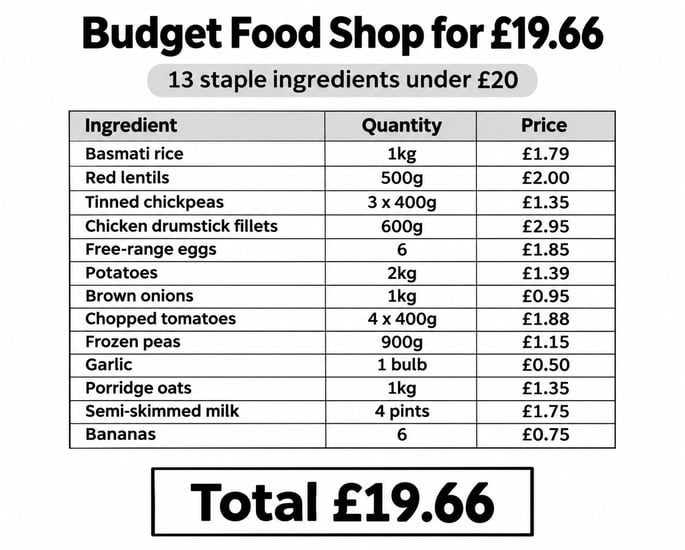
A disciplined shopping list proves that cooking Desi food on a budget requires careful ingredient overlap rather than bland compromises.
Based on listed prices from Tesco Groceries in November 2026, a complete weekly basket totals £19.66 for 14 main meals and seven breakfasts.
This weekly basket relies on a standard British South Asian spice tin containing cumin seeds, turmeric, chilli powder, garam masala, salt and cooking oil.
Buying staple spices and basmati rice in bulk from independent South Asian grocery stores in Birmingham, Leicester or London lowers long-term costs further.
Porridge oats, semi-skimmed milk and bananas cover seven filling breakfasts, leaving the remaining fresh and tinned staples for five distinct savoury dishes.
According to The Food Foundation’s food price tracking, the cost of a basic British food basket has risen by 30.6% since April 2022, making low-cost pantry staples essential.
Sharing onions, garlic, and chopped tomatoes across multiple recipes reduces food waste and prevents half-used ingredients from spoiling in the fridge.
Calculating the cost per portion shows that each main meal costs roughly £1.11, leaving £3.85 to cover all breakfasts for the week.
Keeping a running inventory of store-cupboard spices prevents duplicate supermarket purchases and ensures every pound goes toward fresh produce or protein staples.
Planning each meal before entering the supermarket prevents impulse purchases of expensive sauces, marinades or pre-chopped vegetables that erode a tight allowance.
Comparing unit prices per kilogram across supermarket own-brand ranges also highlights significant savings on dried grains, tinned tomatoes and frozen vegetables.
Why Masoor Dal Anchors Desi Food on a Budget

Masoor dal provides the highest nutritional return per penny in any budget kitchen, delivering three generous portions from just 350g of dried red lentils.
Unlike whole black urad dal or kidney beans, split red lentils require no overnight soaking and simmer to a velvety consistency within 20 minutes.
In Pakistani, North Indian and Bangladeshi households, everyday masoor dal is finished with a sizzling tadka, or tempering, of fried garlic and cumin seeds.
Drizzling hot spiced oil over plain boiled lentils transforms humble pantry staples into a deeply aromatic dish without adding expensive cream or butter.
Serving each bowl with steamed basmati rice provides a complete amino acid profile, making this dish a reliable cornerstone of Desi cuisine.
According to the NHS Eatwell Guide, pulses such as lentils provide a low-fat source of protein, vitamins and dietary fibre.
Leftover masoor dal thickens overnight in the refrigerator, making it ideal for packed university lunches or quick weekday dinners reheated with a splash of water.
The remaining 150g of lentils from the 500g bag rolls directly into the following week, gradually building a reserve for future tight budgets.
Adding a squeeze of fresh lemon juice or a pinch of dried mango powder brightens the earthy lentils without increasing the shopping bill.
Simmering the lentils gently with a pinch of turmeric prevents foaming over on the hob and gives the finished dal a warm golden colour.
Even when cooked in a single saucepan, masoor dal delivers comfort, warmth and sustained fullness that keeps mid-afternoon snacking to a minimum.
Stretching Chickpeas and Potatoes into Six Hearty Meals
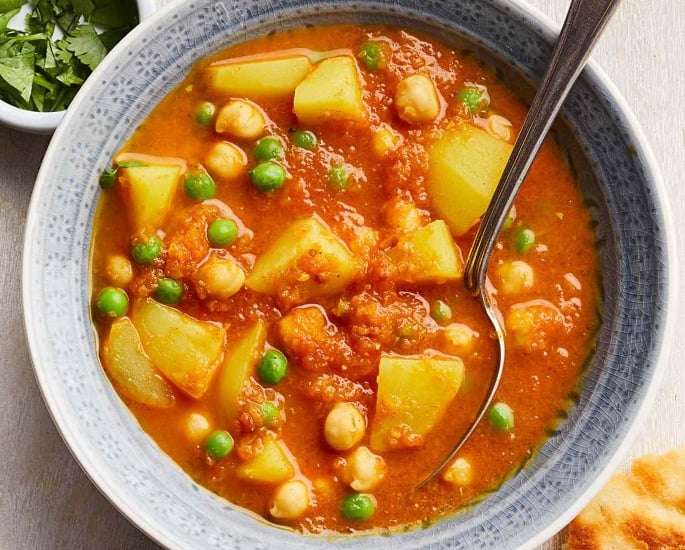
Combining tinned chana masala with classic aloo matar delivers six substantial vegetarian portions while keeping preparation times under 30 minutes per dish.
Chana masala relies on three 400g tins of chickpeas, simmered in a rich onion, garlic, and chopped tomato masala, seasoned with warm garam masala.
Mashing a small spoonful of chickpeas against the pan naturally thickens the gravy, creating a restaurant-style texture without extra ingredients.
Across Punjab and northern India, spiced chickpeas pair naturally with boiled rice or flatbreads, offering high protein density for less than 50p per serving.
Reserving the liquid from the tinned chickpeas, known as aquafaba, adds extra body to the chana masala gravy instead of pouring flavour down the drain.
Aloo matar makes full use of a 2kg bag of white potatoes and frozen garden peas cooked in a lightly spiced tomato broth.
Frozen peas retain their sweetness and vitamin content immediately after harvest, offering superior value and zero spoilage compared to fresh pods in British supermarkets.
Dicing potatoes into even, bite-sized cubes ensures they cook quickly and absorb the cumin and turmeric base evenly.
Simmering the cubed potatoes with the lid on traps steam, allowing the starches to release and bind the spiced tomato sauce naturally.
Leaving the skins on well-scrubbed potatoes also preserves additional dietary fibre and saves time in the kitchen during busy weekday evenings.
Together, these two plant-based dishes demonstrate how traditional South Asian home cooking masters Desi food through smart vegetable pairings.
Making Chicken Curry and Egg Curry Affordable
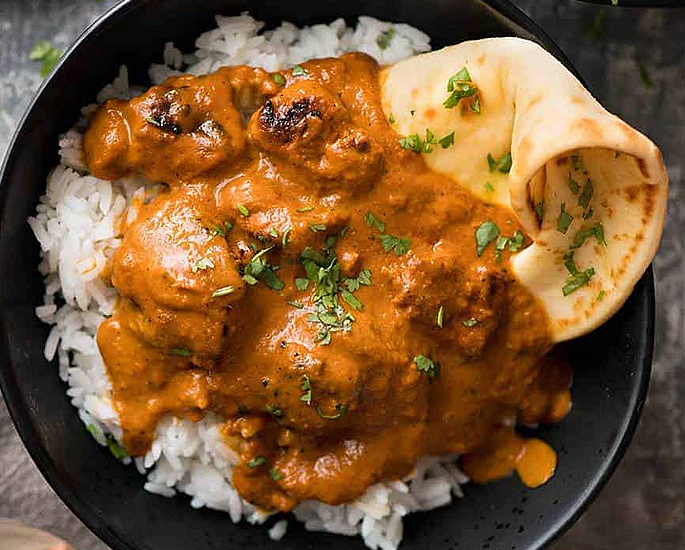
Separating meat and egg dishes into distinct weekly meals lets home cooks enjoy familiar Desi food proteins without overspending on expensive supermarket cuts.
Chicken breast fillets carry a steep retail premium, whereas 600g of skinless chicken drumstick fillets cost £2.95 and stay tender during slow simmering.
Browning the onions thoroughly until deep golden brown builds natural sweetness and body, allowing three generous portions of chicken curry to stretch effortlessly with rice.
Marinating the drumstick fillets briefly in turmeric, chilli powder and salt before cooking helps the meat retain moisture and absorb spices evenly.
Adding a handful of leftover potatoes from the 2kg sack further bulks out the chicken curry when feeding larger appetites after work or lectures.
Egg curry, known across South Asia as anda curry or dimer dalna in Bengali kitchens, provides two hearty portions from a six-pack of free-range eggs.
Hard-boiled eggs are lightly scored or shallow-fried in turmeric oil before simmering in a spiced tomato and onion gravy so the sauce clings well.
Pricking the peeled eggs gently with a fork lets the aromatic cumin and chilli oil penetrate the whites without breaking the yolks.
In many British Asian student flats, egg curry serves as the ultimate end-of-month meal because eggs are versatile and quick to prepare.
Both curries rely on slow reduction rather than heavy cream or ground nuts, keeping saturated fat low while concentrating traditional home-style spice notes.
Balancing two meat or egg dishes with three pulse and vegetable recipes keeps weekly spending in check while preserving familiar Desi food at home.
Smart Batch Cooking Strategies for UK Home Cooks
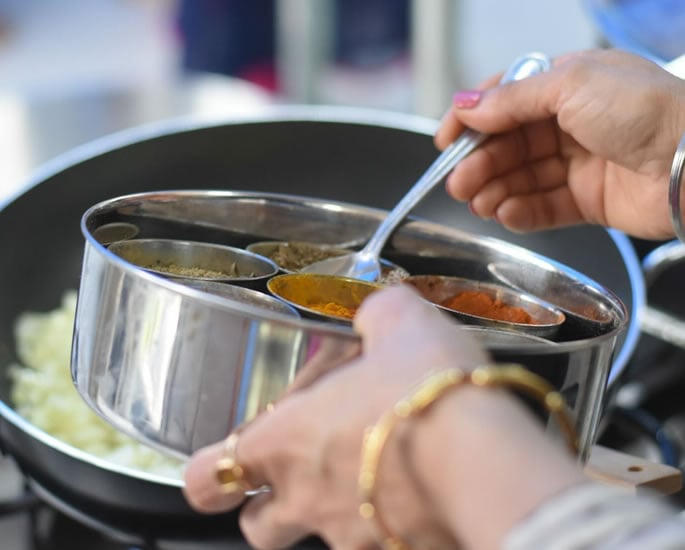
The true secret to eating Desi food on a tight allowance lies in batch preparation, proper storage and treating base ingredients as modular building blocks.
Cooking a single large batch of golden onion, garlic and tomato masala on Sunday afternoon cuts midweek cooking time by more than half.
Dividing that base across the chicken curry, chana masala and egg curry ensures consistent depth of flavour while saving gas and electricity on the hob.
Cooking basmati rice in measured portions prevents waste, since leftover rice must be properly chilled to remain safe for the next day.
Storing cooked rice safely requires cooling it within one hour and refrigerating it for no longer than 24 hours, following advice from the Food Standards Agency.
Reheating rice only once until steaming hot all the way through protects against foodborne bacteria while keeping lunch prep straightforward.
Portioning curries and dal into sealed tubs prevents last-minute takeaway temptation, where a single British curry house delivery often exceeds the entire £20 weekly budget.
Labelling containers with the dish name and cooking date helps busy students and shift workers rotate meals in the fridge or freezer without waste.
Freezing individual portions of masoor dal and chana masala creates an emergency meal bank for hectic exam weeks or late shifts.
Surplus potatoes and frozen peas from the initial shop remain usable for the following week, steadily reducing subsequent grocery bills.
Returning to the resourcefulness of traditional South Asian home kitchens proves that nourishing, deeply flavoured Desi food depends on technique rather than high spending.
Eating authentic Desi food on £20 a week in the UK comes down to three practical habits:
Smart ingredient overlap: Sharing onions, garlic, tomatoes and store-cupboard spices across five distinct dishes eliminates food waste and funds 14 main meals plus daily breakfasts for £19.66.
Balanced protein choices: Pairing affordable pulses and vegetables like masoor dal, chana masala and aloo matar with budget-friendly chicken drumstick fillets and egg curry keeps nutrition high without overspending.
Disciplined batch preparation: Cooking a single-base masala on Sunday and safely portioning meals into labelled tubs prevents costly takeaway temptations while stretching surplus staples into the next week.