

































"The aim is to kind of engage with the South Asian community"
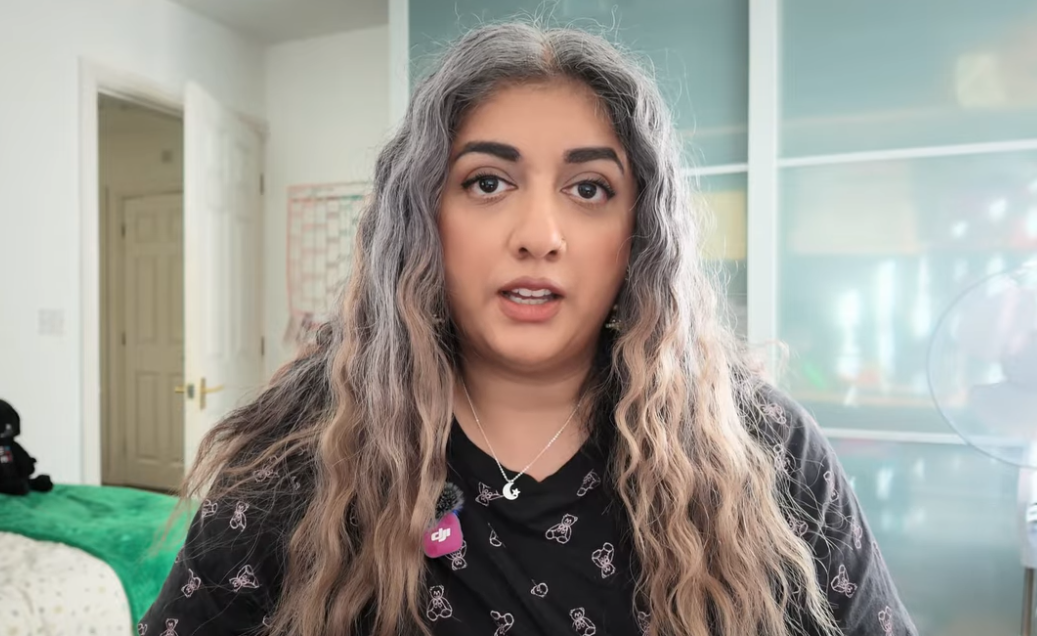
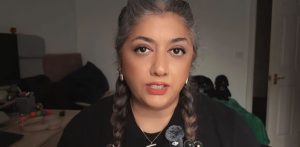
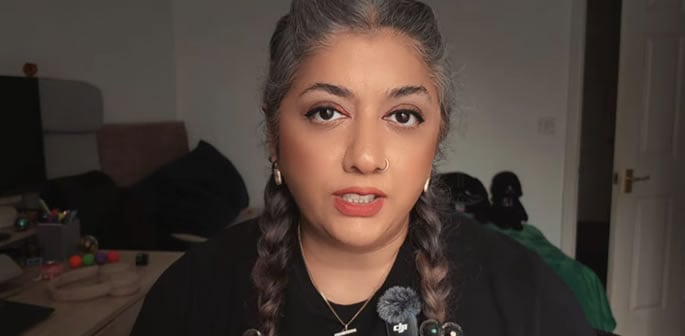
A Bradford woman who was diagnosed with autism in her 40s has launched a YouTube channel to help raise awareness of the condition within the British Asian community.
Hina Shaikh spent much of her life struggling to understand why she felt different from those around her, with everyday experiences and social situations presenting challenges she did not fully understand.
Hina said there were several experiences growing up in a British-Pakistani family that made her feel “quirky or different or weird”.
But it was not until she was in her 40s that she began to understand why she had experienced these difficulties throughout her life.
After receiving her autism diagnosis, Hina looked online for videos that could help explain the condition to her mother in Urdu.
Finding very little information available, she decided to create her own YouTube channel to make autism more accessible to people within the British Asian community.
She said: “The aim is to kind of engage with the South Asian community, who is so reluctant to actually recognise autism.
“We are seeing a shift in South Asians, especially the ones that are educated. If their child is diagnosed with autism, they’ll go out and do the research and do everything.
“But then we still have a generation that don’t understand it. It’s still very new to them.
“So, to them, it’s trying to showcase that me being autistic, I can still lead a life that is very normal. It doesn’t make me any different. It doesn’t make me any less just because I’m different.”
Hina said the challenges were due to a lack of understanding within the education system at the time.
She explained: “My schooling was through the 80s and 90s. Back then, autism wasn’t seen as being included in mainstream schools.
“The child that was quiet, that was obedient, got the good grades – they were kind of just getting through school. So, they would have never really picked up on it.”
Growing up in Bradford, where many people have roots in Mirpur, she wondered whether her family’s origins in Karachi and their use of Urdu rather than Punjabi had contributed to her feeling out of place.
However, she revealed other people also regularly highlighted the ways in which she stood out:
“As I grew up, everybody else pointed out that I was different in lots of ways, from the taste I had to the interest I had, calling me nerdy, saying I had eclectic taste and lots of other things.
“But then I also had skills I wasn’t really aware of. So things like pattern recognition, picking out anomalies, there’s certain things that I can problem solve.”
She continued to find social situations difficult into adulthood, but it was a conversation with a customer while working as a car salesperson that prompted her to consider whether she might be autistic.
Hina said: “My thought about autism was that stereotypical autistic, who either is non-verbal, wears ear defenders, those kind of things. I couldn’t possibly associate that with myself.
“I came home, did some research, and that kind of led me down the rabbit hole.”
Hina subsequently completed an assessment form online and was referred by her GP to an adult autism diagnosis centre. However, after being told the NHS waiting list was 18 months, she decided to pay for a private assessment and eventually received her diagnosis.
Hina believes more needs to be done to recognise autism, particularly among women who may have spent decades without understanding their experiences.
Autism diagnoses have increased significantly over recent years, with Department of Health and Social Care figures showing that the proportion of pupils in England with autism-related special educational needs and disabilities rose from 1.5% in 2016 to 3.3% in 2024.
In October, a government review in England found an increase in young people being diagnosed with ADHD and autism, although it also concluded that much of the rise reflected people who had previously gone undiagnosed.
Hina believes the growing number of diagnoses also reflects greater recognition of how autism can present in women and girls, whose experiences may not always match traditional perceptions of the condition:
“We’re talking about women in their 30s, 40s, 50s and even 60s now who are getting diagnosed, and they’ve led a life that could have been so different if they’d just known that they were autistic.”
She does not believe there is a problem with over-diagnosis, but argues that the broad definition of autism can sometimes lead to misunderstandings about the condition and the different ways it affects people:
“My psychiatrist, when I was diagnosed, said had he diagnosed me 10, 15, 20 years ago, I would have been Asperger’s.
“But when we put Asperger’s into that autism umbrella, what we’re doing is when you meet somebody and you say you’re autistic, you can already see on their face, they’re trying to gauge what kind of autistic are you.
“People judge unknowingly. They look at you and think, well, she talks okay, she looks okay, what kind of autistic is she?”
For Hina, raising awareness means helping people understand that autism encompasses a wide range of experiences and that cultural attitudes can also influence how the condition is recognised.
She believes the South Asian community needs more opportunities to learn about autism, particularly for older generations who may have little previous exposure to information about neurodiversity.
Having struggled to find relatable experiences when she first received her diagnosis, Hina wants her channel to provide something she could not find herself: a space where South Asian adults can see autism discussed openly and positively:
“When I was diagnosed autistic, there wasn’t anybody that was an adult who was autistic, who I could follow in terms of vlogs or anything like that.
“So my whole aim is – it’s probably a new niche, it’s probably something that isn’t out there – to raise awareness about autism in the South Asian community but in a positive light.”