



























Designers and influencers post ways to mix traditional pieces with everyday ones
For generations, South Asian menswear meant the sherwani, the kurta pyjama and the waistcoat. They still dominate wedding season, but they no longer fill the whole wardrobe.
From Bollywood celebrities and fashion influencers to younger British Asian men, there is a growing interest in making South Asian menswear more versatile, expressive and personal.
Rather than reserving ethnic clothing for weddings and festivals, men are finding new ways to incorporate traditional elements into modern outfits.
This shift is helping redefine what it means to dress traditionally.
This proves that South Asian menswear can be both rooted in heritage and influenced by contemporary fashion.
Embroidered jackets add an edge
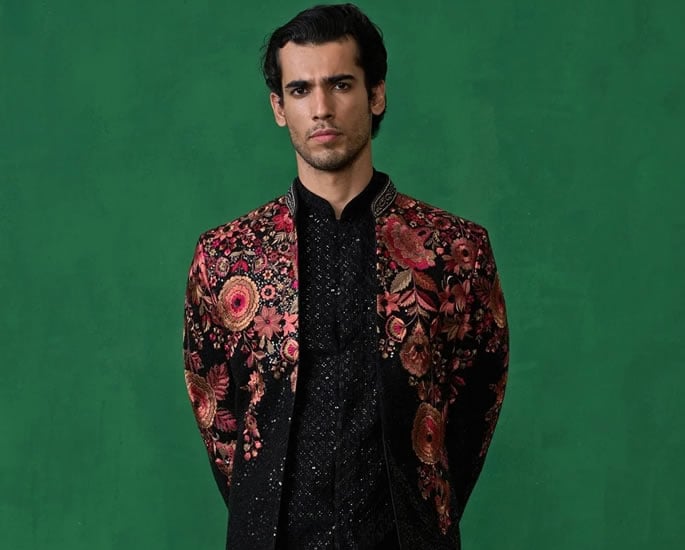
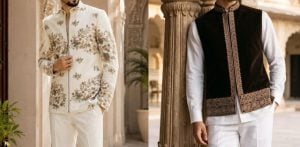
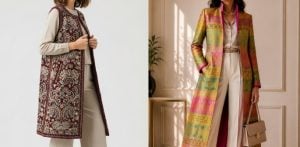
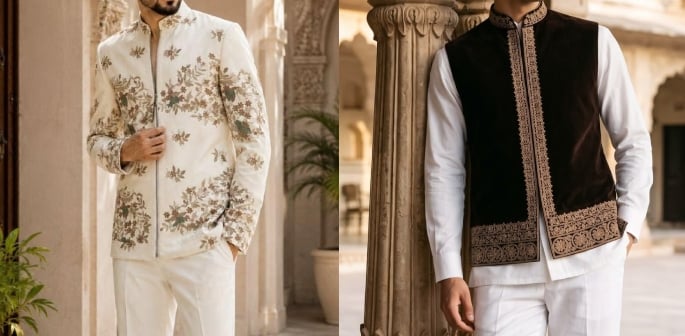
Embroidery used to belong to the sherwani. It now appears on shorter jackets, including Nehru and bandhgala cuts, that men wear on their own.
Pair one with plain trousers or jeans and you get ethnic detail without a full outfit. Floral stitching and mirror work give each piece its character.
Men who prefer a quieter look can choose black or navy, where the stitching catches the light without shouting. Ivory and pastels suit daytime celebrations and summer events.
Fabric changes the mood. Velvet and heavier silks suit winter weddings, while cotton blends keep a jacket light enough for August.
For younger Desi men, the appeal is low commitment. One jacket brings a cultural touch without a head-to-toe traditional look.
It also earns its keep. A sherwani might come out twice a year, while a good jacket can be worn again and again.
Kurtas are leaving the special occasion
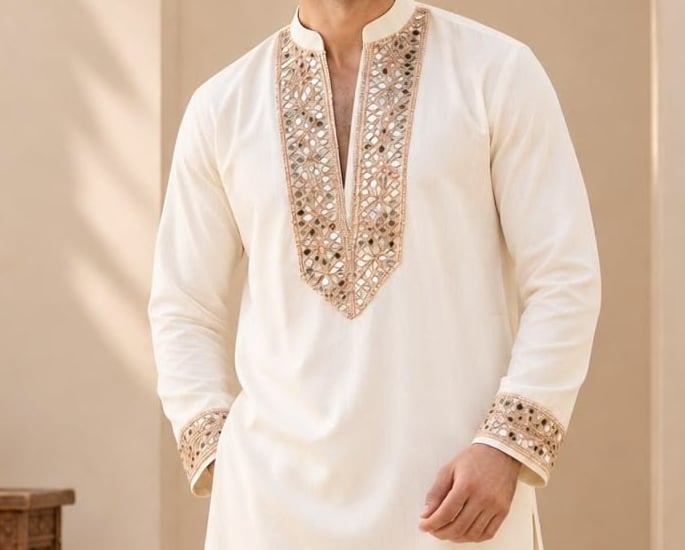
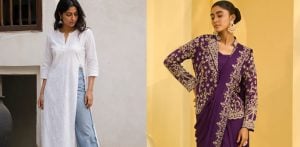
The kurta is the most familiar piece of South Asian clothing, and it is loosening up. Long versions still turn up at weddings and Eid, but shorter cuts and open collars give it a casual feel.
Men are also dropping the churidar. Straight-leg trousers, relaxed cotton pants and denim keep the South Asian character while making the kurta wearable on a Saturday.
Fabric does a lot of the work. Linen and light cotton suit warm weather, while texture or subtle embroidery adds interest without making an outfit feel formal.
A kurta that skims the body looks sharper than one that billows, and a shorter hem tends to sit better over trousers.
Neutrals such as cream and olive are the easy choice, and brighter shades or traditional prints suit bolder dressers. For British Asian men, a relaxed kurta also solves a practical problem: it suits a family gathering without the weight of a sherwani.
At Eid and Diwali, a kurta in a rich shade with a statement jacket on top looks dressed up without going full ceremonial. It also copes with British weather better than many expect, since an extra layer carries the same kurta into autumn.
Printed co-ords change the conversation
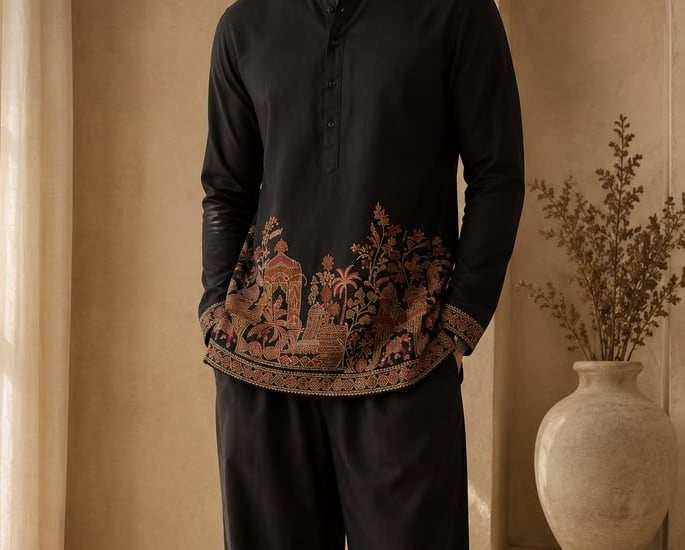
Matching shirt-and-trouser sets used to be Western casualwear. Designers and retailers now print them with paisley and block-print motifs, which gives them a South Asian identity.
They suit men who want something fresher than a kurta pyjama. Because the pieces are made to match, the outfit works with little styling.
They also work apart. A patterned shirt goes with neutral trousers, and the bottoms look good with a plain T-shirt.
That flexibility appeals to younger shoppers who want more wear from every purchase. For summer events and destination weddings, a co-ord is far more comfortable than heavy embellishment.
There is a confidence angle too. Prints that might feel loud on a sherwani feel playful on a relaxed shirt, so men who would never wear bold patterns to a wedding are willing to try them here.
Footwear finishes the look. Juttis give a co-ord a clear South Asian anchor, while clean loafers keep it understated.
The biggest change is a new willingness to mix. A Nehru jacket goes over a plain T-shirt, and a kurta goes with trainers.
Layering is what makes these looks work. A lightweight jacket or an open-front ethnic layer gives simple pieces some depth.
Colour is loosening too. Traditional menswear tends to match shades, while newer styling plays with contrast and texture.
An embroidered waistcoat over a crisp shirt is another easy entry point. It reads as dressed up without feeling like fancy dress.
Scarves and brooches personalise the rest. None of this asks men to give up traditional clothing, only to wear familiar garments in their own way.
Bollywood is setting the tone
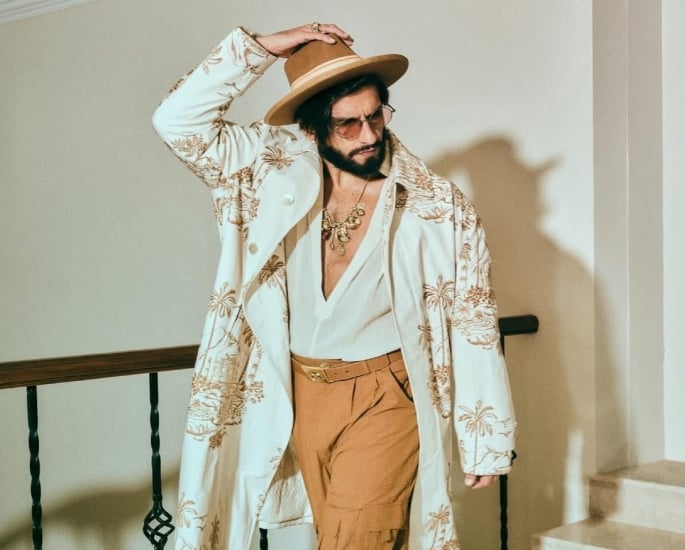
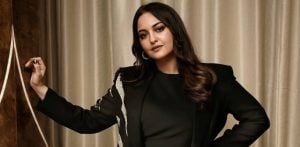
Celebrities still shape how South Asian men dress. Ranveer Singh is known for bold patterns and unusual combinations, while Vicky Kaushal leans towards tailored ethnic looks and restrained festive styling.
Shahid Kapoor and Ayushmann Khurrana have also shown that ethnic clothing can bend to different tastes. Awards nights and weddings give men who are unsure where to start something to copy.
Social media widens the audience.
Designers and influencers post ways to mix traditional pieces with everyday ones, which nudges younger men to look beyond occasionwear.
The trend is also easy to follow. A look spotted on a red carpet can be rebuilt from high street trousers and one ethnic piece.
British Asian men are finding their own style
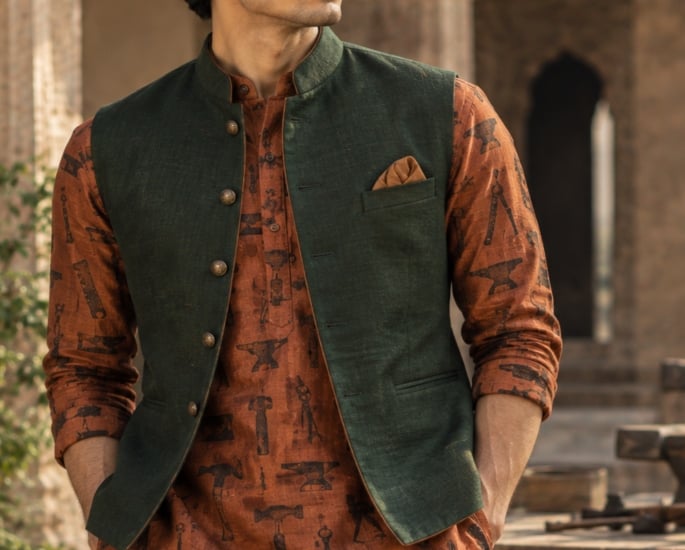
For British Asian men, clothing is also about identity. Growing up between two cultures means weddings and family gatherings each come with their own expectations.
Traditional dress still matters. Younger men simply want a look that reflects both sides of who they are, such as a contemporary kurta with trainers or an embroidered jacket over tailored trousers.
That can ease the pressure at family events. A man who wants to honour tradition without feeling overdressed now has more options than a full sherwani.
Wedding guests are leading the way. A Nehru jacket over a simple kurta at a mehndi feels festive without competing with the groom.
That leaves room for British Asian designers and independent labels. Men want modern ethnic clothing that doesn’t sacrifice craftsmanship.
As global interest in South Asian fashion grows, menswear could claim a bigger share of the attention. The challenge is making traditional garments relevant to everyday life instead of saving them for the occasional celebration.
Versatility also has a financial side. With household budgets stretched, pieces that work across seasons and occasions make more sense than outfits worn once.
Anyone tempted to experiment can begin small. Pick one statement piece, such as an embroidered jacket, and keep everything else plain.
Where Desi menswear goes next
Men are growing more comfortable experimenting with heritage. Embroidered jackets and relaxed kurtas make it easier to wear ethnic influences day to day.
None of this sidelines the sherwani or the kurta pyjama. They remain central to weddings and celebrations, and nobody is asking them to change.
What is changing is the expectation that ethnic fashion has to be elaborate or formal. Whether it’s a relaxed kurta or an embroidered jacket, men now have more freedom to choose.
Ethnic fashion is no longer only about dressing for an occasion. It is increasingly about expressing who you are.