


















































"We haven't got the heating on yet in our household."
Millions of households across the UK could face another financial challenge in January 2027, as typical annual energy bills are forecast to increase by £443.
The predicted rise comes as inflation reaches its highest level in a year, adding further pressure to families already struggling with the cost of living.
According to energy consultancy Cornwall Insight, average household gas and electricity bills could increase by 26%, reaching approximately £2,166 annually.
The forecast comes ahead of the official energy price cap announcement next week, with rising global energy costs contributing to the expected increase.
Government support will offer some relief, but households could still face difficult decisions about managing their energy consumption this winter.
Energy Bills Set for Significant Increase
The expected increase comes as households prepare for colder months, when heating and electricity consumption traditionally rise.
Families may have to reconsider how frequently they use heating, cook with electrical appliances and manage their overall energy consumption.
The forecast has been influenced by international events, particularly the ongoing US-Israel war with Iran.
The conflict has contributed to higher global energy and fuel prices, creating additional uncertainty for consumers and suppliers.
Rising wholesale energy costs have placed pressure on suppliers, with some of those increases expected to be passed on to households through higher bills.
Craig Lowrey, retail markets principal at Cornwall Insight, warned that government assistance would only provide limited relief against the wider increases.
He said:
“Ultimately, this support can only chip away at the edges of a bill that continues to be pushed up by events in the Middle East”.
For households already managing higher mortgage payments, food prices and transport costs, another substantial increase could make budgeting considerably more difficult.
Inflation Reaches Highest Level in a Year
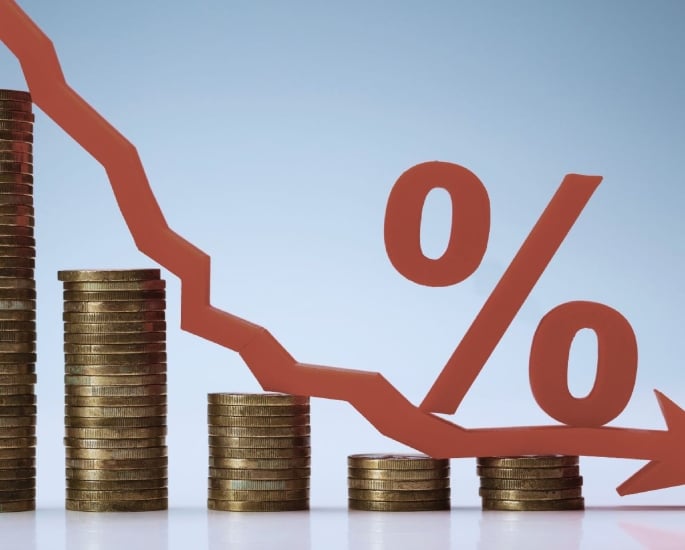
The energy bill forecast comes as the UK’s annual inflation rate increased to 3.6% in October 2026, compared with 3.5% in September.
Figures published by the Office for National Statistics (ONS) show that rising petrol and diesel prices were among the main contributors.
Inflation measures how quickly the prices of goods and services increase over time.
When inflation rises, households generally experience higher costs for everyday essentials, including food, transport and household utilities.
The latest figures represent another setback for efforts to bring inflation closer to the Bank of England’s target of 2%.
Although inflation has fallen considerably from the 11.1% recorded in October 2022, price pressures remain a significant concern.
Fuel prices have been particularly influential.
Between September and October, petrol prices increased by 5.2p per litre, taking the average cost to 174.7p.
This was the highest recorded level since August 2022.
Diesel prices also climbed, reaching an average of 199.5p per litre in October. This represents the highest price recorded since records began 30 years ago.
Higher fuel costs can affect more than motorists.
Businesses relying on transportation, deliveries and energy-intensive operations may experience increased expenses, which can eventually be passed on to customers.
Grant Fitzner, chief economist at the ONS, said fuel prices were “once again a major contributor” to the October inflation increase.
However, some categories experienced slower price increases.
Food price inflation rose by 0.9%, its slowest pace in five years. Inflation in restaurants and cafes also slowed, while hotel prices fell on average.
Core inflation, which excludes food and energy prices, remained relatively unchanged.
Nevertheless, rising energy and fuel costs continue to create uncertainty for consumers.
Government Support Offers Some Relief to Households
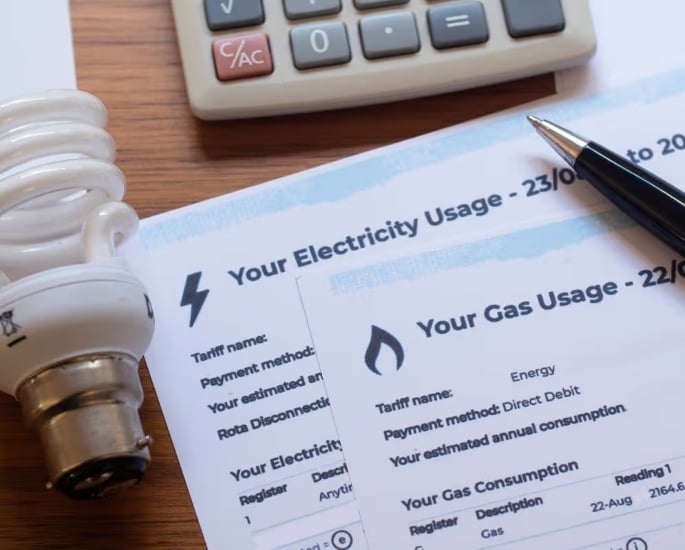
With energy bills expected to increase substantially, the government has announced measures intended to reduce financial pressure on households.
Emma Reynolds, chief secretary to the Treasury, said the government was assisting to help families manage their energy costs.
Under measures announced in the Budget, VAT on electricity bills has been reduced to zero until July 2027.
The government will also provide a £100 payment to approximately 20 million households in January.
The payment is intended to offer immediate financial assistance as energy bills increase.
However, it will not necessarily cover the additional costs experienced by households.
For families facing the forecast £443 annual increase, the payment would cover only a proportion of the extra expense.
Households with larger properties or higher energy consumption could face particularly difficult decisions.
The pressure is already influencing how some people manage their energy consumption.
A cafe owner in Brighton explained that she closely monitors her household’s energy usage.
She said:
“I’m very conscious of the cost of energy, and it is having an impact on how we function in the home as a family”.
She also described changing her cooking habits and avoiding putting the heating on while temperatures remain manageable.
She explained: “I try to cook using the oven a lot less than I used to. We haven’t got the heating on yet in our household. We’re just like ‘wear more layers’. We’ve got electric blankets on the sofa.”
Her experience reflects the difficult choices facing households as colder weather arrives and energy costs remain high.
Meanwhile, Shadow Chancellor Andrew Griffith blamed four consecutive increases in inflation on rising energy costs and the government’s decisions regarding taxes and employment costs.
The official energy price cap announcement next week should clarify the scale of the expected increase.
For now, households are preparing for another expensive winter, with energy bills, fuel prices and wider living costs continuing to strain family finances.