


















































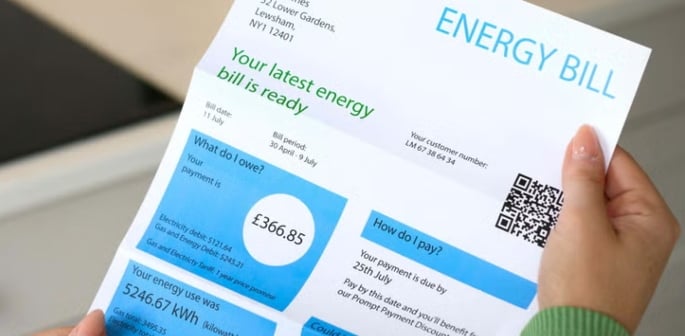
An increase of about £60 from the previous cap
As temperatures fall across the UK, households are preparing for another winter of heating costs and rising living expenses.
The energy price cap increased in October 2026, putting additional pressure on household budgets.
For British Asian families sharing homes across generations, managing energy use can involve balancing different routines and comfort levels.
However, preparing for colder weather does not have to mean sacrificing comfort or spending heavily on home improvements.
Understanding energy bills, improving efficiency and exploring available support can help households manage their winter budgets.
Understanding the October Energy Price Cap
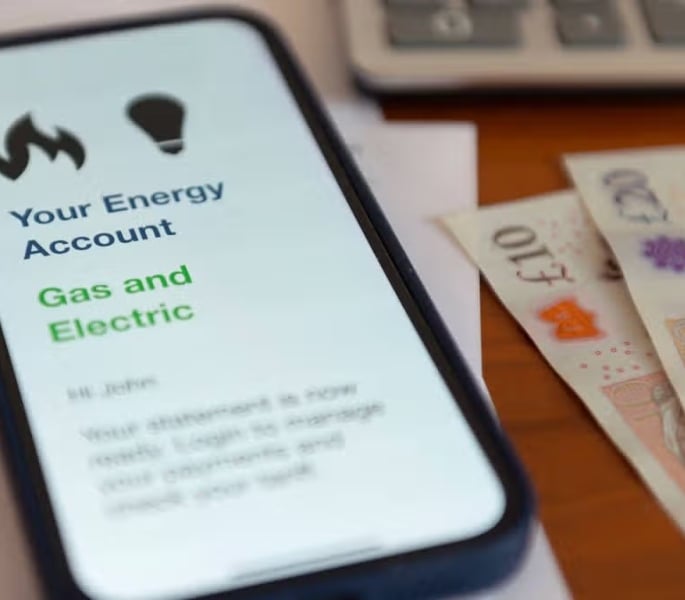
The energy price cap increased by 4% on October 1, 2026, with Ofgem setting the typical annual cost at £1,723 for households paying by Direct Debit.
This represents an increase of about £60 from the previous cap, based on typical consumption.
However, the price cap does not limit the total amount a household can spend on energy. Instead, it limits the unit rates and standing charges suppliers can apply to eligible variable tariffs.
Households that use more electricity and gas will generally pay more than those that consume less.
The average electricity unit rate increased from 26.11p to 26.32p per kilowatt-hour, while the average gas rate rose from 7.33p to 7.97p.
Although these changes may appear small individually, they can affect household budgets as heating becomes more important during winter.
Actual bills depend on energy consumption, location, payment method and meter type.
Regional differences also mean households in different parts of the UK may pay different rates.
The published typical annual figure should therefore be treated as an illustration rather than a prediction of every household’s costs.
Households on fixed tariffs are generally protected from changes to their agreed unit rates during their contracts.
However, customers should check their individual terms, including any exit fees, before considering a switch.
Reviewing energy bills before temperatures drop can help families understand their current spending and identify opportunities to save.
Checking meter readings and comparing recent statements can also highlight unexpected increases in consumption.
Making Homes Warmer Without Increasing Energy Use
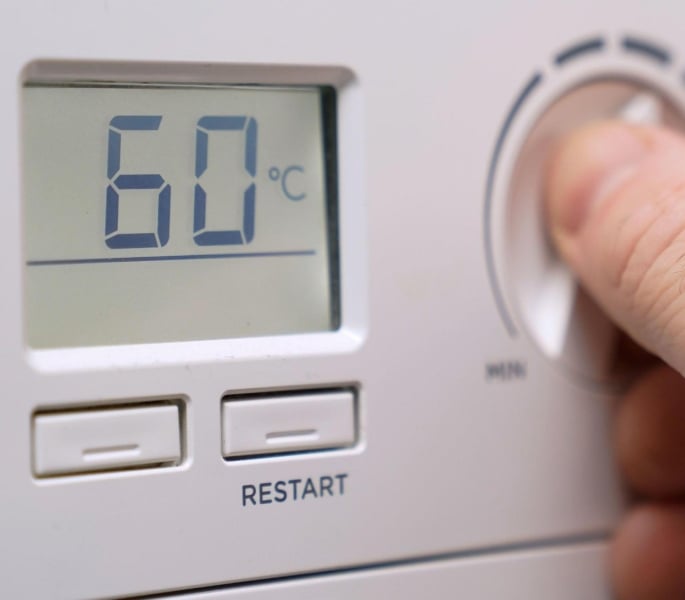
Heating can become a major household expense during colder months, particularly for families spending more time indoors.
Reducing heat loss can help homes retain warmth without relying entirely on higher thermostat settings.
The Energy Saving Trust recommends practical measures such as draught-proofing, insulation and effective heating controls.
Checking gaps around windows and doors is a useful starting point for households looking to improve energy efficiency.
Draught excluders and suitable window seals can help prevent cold air entering living spaces.
Closing curtains after dark can also reduce heat loss, although curtains should not cover radiators and obstruct the circulation of warm air.
Households should keep radiators clear of large furniture and heavy curtains.
This allows heat to circulate more effectively throughout a room. Heating timers can also match energy use to daily routines, preventing empty rooms from being heated unnecessarily.
Using heating controls carefully can make a difference without leaving household members uncomfortable.
Families could consider lowering the thermostat slightly if their home remains comfortably warm, rather than making large changes that could affect vulnerable residents.
However, homes should remain adequately warm, particularly for older people, young children, and those with certain health conditions.
Proper ventilation is also important because excessive moisture can contribute to condensation and mould.
Renters struggling to keep their homes warm should raise concerns with their landlords, especially if they suspect insulation or heating problems.
The Energy Saving Trust offers guidance on reducing household energy consumption and understanding possible home improvements.
Managing Energy in British Asian Households
In some British Asian families, several generations share kitchens, living rooms and household expenses.
Coordinating heating around different work schedules, school runs and daily routines can help households manage energy use without compromising comfort.
Families can prioritise frequently used rooms rather than heating every space equally throughout the day.
Closing curtains after dark, keeping radiators clear and preventing draughts can also help retain warmth.
Using appropriately sized pans, covering pots while cooking and switching off unused appliances may reduce wasted energy.
Batch cooking can make better use of ovens and hobs while preparing meals for busy weekdays.
Sharing responsibility for bills, meter readings and heating controls can make budgeting easier.
Families could agree on a monthly energy budget and review bills together to identify unexpected increases.
Comparing energy tariffs, standing charges and exit fees may help households find suitable deals.
Smart meter users could explore time-of-use tariffs, which offer different electricity rates throughout the day.
However, potential savings depend on household routines and individual tariff conditions, so families should check the details before switching.
Households struggling with bills should contact their energy suppliers early to discuss repayment options or available assistance.
Citizens Advice provides guidance on energy debt, prepayment meters and potential grants, while GOV.UK outlines available financial support.
Eligibility varies, so households should check official guidance before applying.
Planning ahead, sharing costs fairly and making small changes can help British Asian households manage winter energy bills.
By coordinating household routines and understanding available support, families can reduce unnecessary energy use while keeping their homes comfortable.