






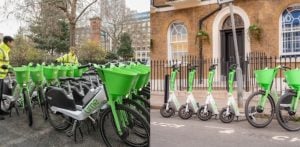











































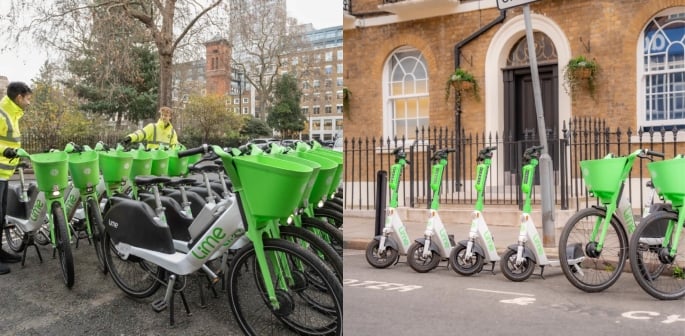
A 10-minute journey costs £3, while a 15-minute ride costs £4
Rising living costs are encouraging people across the UK to reconsider how they travel and manage everyday expenses.
From commuting to work and university to meeting friends or running errands, transport costs can quickly add up.
Lime’s electric bikes and e-scooters offer an alternative for certain journeys, particularly when travelling short distances.
The rental service operates across parts of the West Midlands, allowing users to hire vehicles through its app.
However, comparing rental prices with taxis and public transport is essential to determine whether Lime can genuinely help people save money.
How Lime can Reduce Everyday Travel Costs
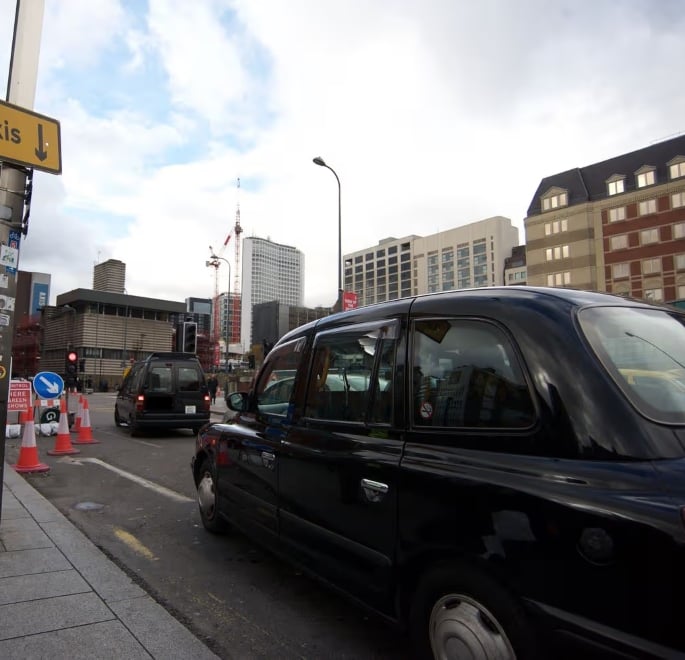
Replacing some taxi journeys with electric bikes could help people reduce their transport spending, particularly when travelling shorter distances.
Trips to local shops, appointments or friends’ homes might not require an expensive private hire journey, especially when destinations are accessible by bike.
Lime’s pay-as-you-go service charges a £1 unlocking fee followed by 20p per minute in the West Midlands. Transport for West Midlands publishes these rates for its rental e-scooter scheme.
At these prices, a 10-minute journey costs £3, while a 15-minute ride costs £4.
Although this could be cheaper than some taxi journeys, the overall saving depends on the route, journey time and alternative fares.
For people who regularly book taxis for short trips, replacing selected journeys with Lime could make a noticeable difference to their weekly spending.
However, riders should calculate the complete cost before travelling, as longer journeys can make rental services less economical.
Understanding Lime’s Prices in Birmingham
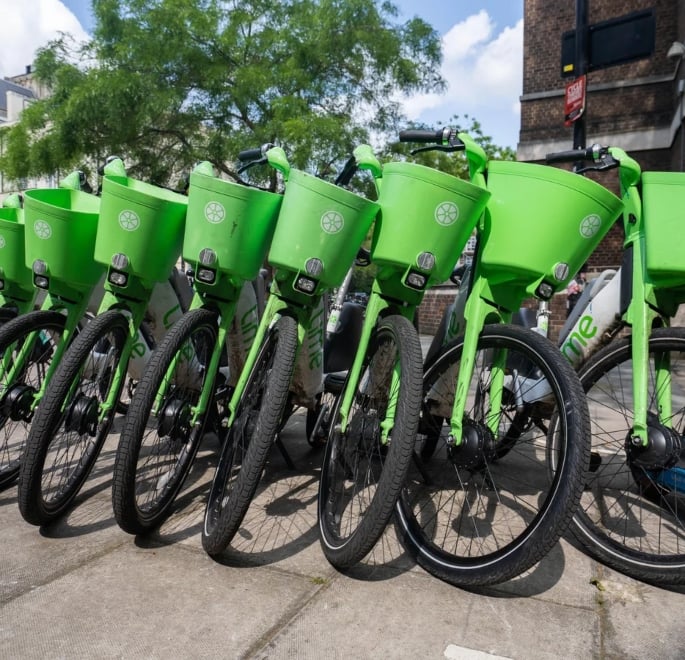
Lime offers different pricing options for people who want to manage their travel expenses more carefully.
Alongside standard pay-as-you-go charges, riders can purchase prepaid minute bundles through the Lime app.
Transport for West Midlands lists a 30-minute bundle for £2.99, a 60-minute bundle for £5.99 and a 120-minute bundle for £9.99.
A 300-minute bundle is listed at £19.90, although users should check the latest offers and conditions before purchasing.
These options may benefit people who use Lime regularly and want to avoid paying the standard unlocking fee on every eligible journey.
However, bundles have conditions, and unused minutes may expire depending on the offer. Lime’s LimePass guidance explains how prepaid minutes work.
Occasional riders may prefer paying individually, while frequent users could compare bundles against their expected monthly journeys.
Checking the app before purchasing is important because prices, benefits and availability can vary by location.
Comparing Lime With Public Transport

Public transport remains an important alternative for people looking to reduce commuting costs.
Students and employees travelling regularly may find daily or weekly travel passes cheaper than individual Lime rentals, particularly when travelling longer distances.
A 10-minute Lime journey costs £3 at the published standard rate, making local bus and tram fares worth comparing.
However, electric bikes could help people reach destinations that are less convenient to access by public transport.
They may also provide a practical connection between a train station and a workplace, university campus or social venue.
Combining transport options could reduce the need for taxis when public transport does not take passengers directly to their destinations.
For example, someone could travel most of the way by train before using a rental bike for the final part of their journey.
The additional rental cost should still be considered alongside the train fare.
For particularly short distances, walking remains the cheapest option, while owning a bicycle could prove more economical for frequent cyclists over time.
The best option depends on individual travel habits, journey length and available transport connections.
Why Lime appeals to Students and Young Professionals

Students and young professionals often balance transport expenses with rent, food, university costs and social activities.
For those travelling between lectures, work, shops and social events, frequent short journeys can become an overlooked expense.
Lime could offer greater flexibility without requiring users to purchase, maintain or store their own bicycle.
The service may be particularly useful for people who need occasional transport but do not want the responsibilities associated with owning a bike.
According to the official Lime West Midlands page, electric bikes are available across the regional scheme, while rental e-scooters are available in Birmingham and at the University of Warwick.
Users can check vehicle availability and permitted parking locations through the app before setting off.
However, convenience should not be confused with guaranteed savings.
Frequent rentals can become expensive when unlocking fees and journey times accumulate, especially if people use the service for every short trip.
Setting a weekly transport budget and tracking rental spending could help riders determine whether Lime offers better value than their usual travel arrangements.
Travel Rules and Costs to Consider
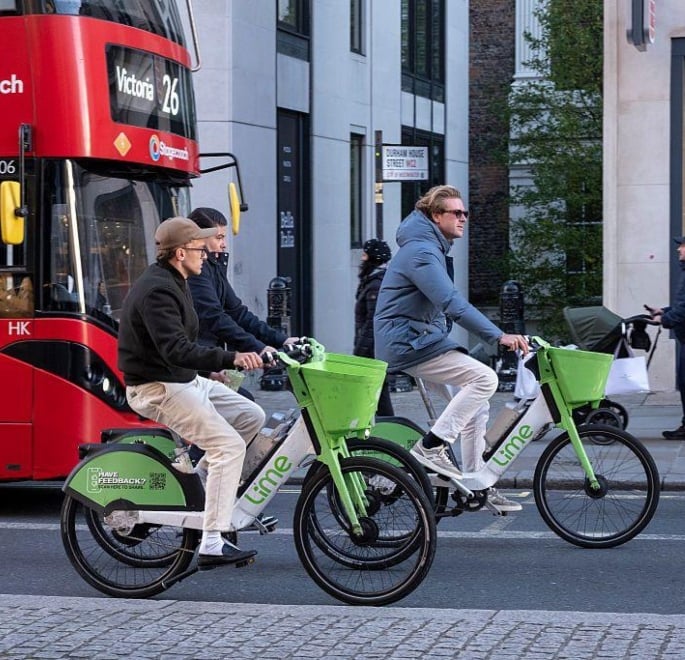
Before renting a Lime bike or scooter, users should check current prices, parking requirements and local restrictions.
Riders must finish their journeys at permitted parking locations shown in the app, and incorrect parking can lead to additional charges.
Transport for West Midlands provides information about where rental e-scooters can be used, alongside the relevant eligibility requirements.
Under the current rules, riders must be at least 18 and hold a valid UK driving licence to use rental e-scooters in the West Midlands. They can ride on roads and cycle lanes where permitted, but not on pavements.
Privately owned e-scooters remain illegal to use on public roads and pavements in the UK, outside the applicable legal exceptions.
Riders should also choose suitable routes, follow road rules and check the latest requirements before travelling.
Comparing rental prices with public transport and using the service selectively can help people balance convenience with affordability while keeping everyday travel spending under control.