















































"It’s quicker, it’s more modern, it’s more secure."
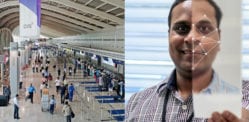
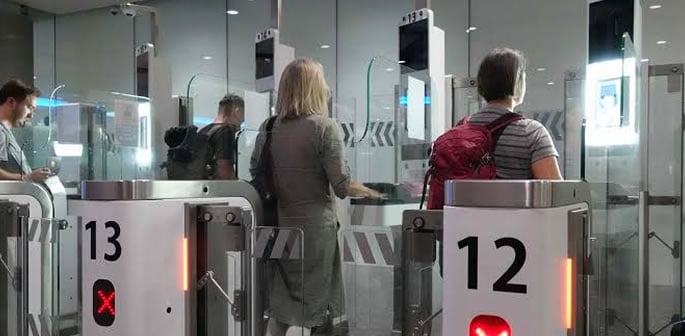
Facial recognition technology could soon change how UK passengers pass through border control, with airports preparing to trial a system that could replace scanning a passport at e-gates.
Passengers would still need to carry their passports when checking in and boarding flights.
However, new “contactless borders” are expected to be introduced at Birmingham and East Midlands airports in the coming weeks.
The technology is intended to make arrivals faster by allowing e-gates to identify passengers using facial recognition rather than relying on a passport chip.
The proposal is expected to be expanded across the UK’s e-gates by early 2027.
The system is currently expected to apply to British passport holders, although it could eventually be extended to other nationalities with biometric passports who are eligible to use UK e-gates.
This comes as facial recognition becomes increasingly common in the UK, from policing and retail to financial services. However, its wider use has also raised concerns about accuracy, discrimination and the potential impact on privacy.
How the Facial Recognition Border System would Work
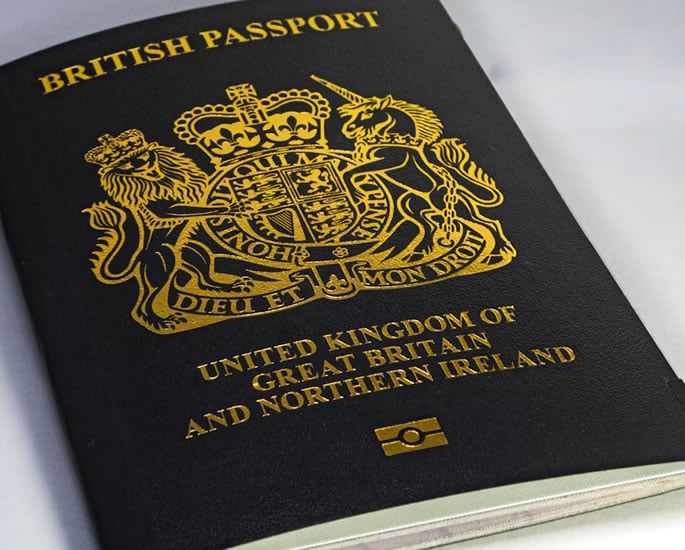
The proposed system would use facial recognition to identify passengers arriving at UK airports without the need for them to place their passport into an e-gate scanner.
Reportedly, airlines would provide Border Force with passport photographs of British passengers arriving that day. The images would then be used to identify passengers as they pass through the e-gates.
If the system successfully recognises a passenger, they could pass through without scanning their passport.
If the facial recognition system cannot identify someone, they would be asked to scan their passport instead. If that also fails, the passenger would be directed to a Border Force officer at a staffed desk.
The change is intended to address some of the practical problems that can slow down existing e-gates, including passengers positioning their passports incorrectly or problems with the passport chip.
Phil Douglas, director general of Border Force, said the technology could make border processing 25% faster:
“It will mean we have a more secure border and a much faster transit through the airport. It’s quicker, it’s more modern, it’s more secure.”
The proposed rollout would cover e-gates at Birmingham, Bristol, Cardiff, East Midlands, Edinburgh, Gatwick, Glasgow, Heathrow, London City, Luton, Manchester, Newcastle and Stansted airports.
Therefore, the technology would affect a large proportion of passengers arriving in the UK if it is expanded across the network as expected.
However, passengers would still need their physical passports for other parts of their journey.
The proposed change concerns the border-control process rather than removing the requirement to carry a passport when travelling internationally.
Privacy Concerns
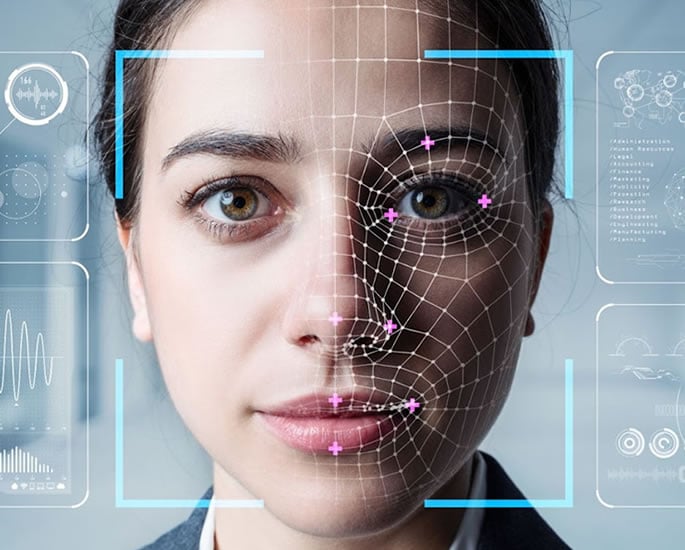
The proposed airport system is the latest use of facial recognition technology in the UK, where its deployment has already generated controversy.
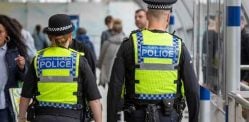
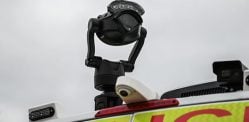
The Metropolitan Police has used facial recognition in locations including Oxford Street, Tube stations and Notting Hill Carnival.
The technology has also been used commercially, including by Sainsbury’s and Revolut.
Sainsbury’s apologised after a 42-year-old man was wrongly identified as an offender. Staff approached him, asked him to leave the store and took his shopping in January.
Concerns have also been raised about whether facial recognition systems work equally accurately across different demographic groups.
Big Brother Watch reported that 80% of people misidentified by facial recognition in London during 2025 were Black. The organisation has warned that the technology can discriminate against women and people of colour.
The Biometrics and Surveillance Camera Commissioner also warned in May that facial recognition technology was not “foolproof”.
The commissioner said inaccurate identification could potentially create legal problems for police forces, including situations where members of the public are wrongly identified and believe their fundamental rights have been breached.
Privacy campaigners have also questioned whether the UK has sufficient safeguards governing the expanding use of facial recognition.
Revolut has already introduced a different form of biometric technology for payments, allowing some customers to use a face scan linked to their account instead of a phone or bank card.
But at airports, the stakes are different because facial recognition would be used as part of the UK’s border-control process.
The proposed system could make airport arrivals considerably quicker if it works as intended. At the same time, its effectiveness will depend on the accuracy of the technology, how passenger images are handled and the safeguards surrounding their use.
For travellers, the key change would be a simpler e-gate experience rather than the removal of passport requirements.
Passengers would still need to travel with their passports, while those who cannot be identified automatically would retain alternative routes through passport scanning or a Border Force officer.
If the planned trials prove successful, facial recognition could become a much more visible part of how millions of people enter the UK.
That could make border checks faster, but it also places greater importance on ensuring the technology is accurate, secure and subject to appropriate safeguards.