
















































If there’s a match, then the system generates an alert.
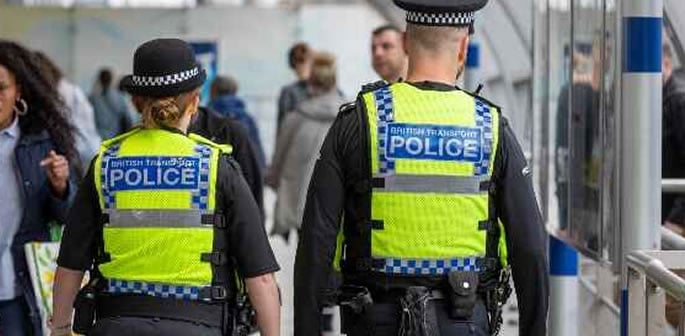
British Transport Police (BTP) has launched a six-month trial of Live Facial Recognition (LFR) technology at London Bridge railway station.
The operation began on February 11, 2026, following an announcement made in November 2025.
It marks the force’s first deployment of the technology in a railway environment as part of a structured pilot.
BTP confirmed that the dates and locations of all LFR operations will be published online before they take place. The force said the move is designed to ensure transparency and allow members of the public to stay informed.
Chief Superintendent Chris Casey, BTP’s senior officer overseeing the project, said:
“The project team have spent a significant amount of time working closely with partners, including Network Rail, the Department for Transport and the Rail Delivery Group to get us to this stage.
“I want to reiterate that this is a trial of the technology to assess how it performs in a railway setting.
“The initiative follows a significant amount of research and planning, and forms part of BTP’s commitment to using innovative technology to make the railways a hostile place for individuals wanted for serious criminal offences, helping us keep the public safe.
“The cameras work by scanning faces and comparing them to a watchlist of offenders wanted for serious offences. If there’s a match, then the system generates an alert.
“An officer will review it and carry out further checks to determine if the person is a suspect and if they need to take further action.
“People who prefer not to enter the recognition zone will have alternative routes available and images of anyone not on the authorised database will be deleted immediately and permanently.
“We want to make the trial as effective as it can be and we welcome your feedback. You can scan the QR codes on the posters and tell us your thoughts.”
The facial recognition technology follows a significant amount of research and planning, and forms part of BTP’s commitment to using innovative technology to identify and apprehend individuals wanted for serious criminal offences.
BTP’s deployments will be intelligence-led, meaning the technology will be targeted to crime hotspots on the network where data shows a likelihood of high-harm offenders passing through the location.
How Will It Work?
Members of the public may already have seen Live Facial Recognition used by other forces at roadside operations.
Policing the railway presents different pressures. More than three million journeys are made across Great Britain each day. Stations serve a constantly moving population, often within confined concourse spaces.
BTP said its deployments will be intelligence-led and focused on locations where officers believe resources are most needed. Cameras will be placed temporarily on station concourses during operations.
The force currently uses NEC’s NeoFace M40 algorithm for its facial recognition technology.
Before each deployment, officers compile a watchlist. This includes individuals wanted by police or the courts, as well as those subject to court orders with specific conditions.
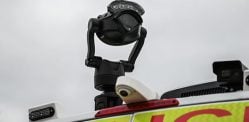
Cameras are directed at a defined area within the station. Images captured are streamed to the live facial recognition system and compared against those held on the watchlist. If the NeoFace M40 algorithm identifies a possible match, the system generates an alert.
A police officer then reviews the alert and compares the camera image with the person in front of them. The officer decides whether there are grounds to approach and speak to that individual.
BTP said officers will always explain why they have initiated contact and provide an information leaflet with contact details for further enquiries. Individuals who are not on a watchlist cannot be identified through the system.
Images linked to alerts are deleted immediately after use or within 24 hours. Images and biometric data of people who do not trigger an alert are deleted automatically and immediately. CCTV footage captured by LFR cameras is retained for 31 days.