

















































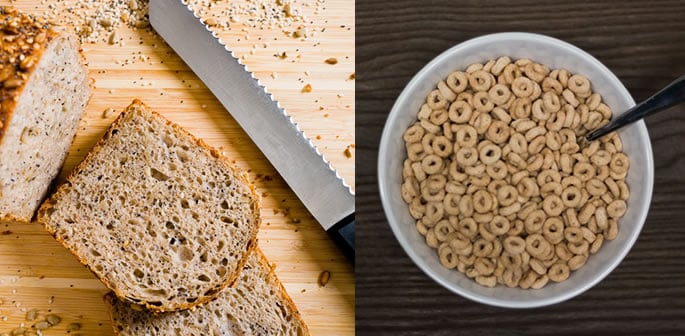
It’s easy to see why it’s such a staple for lunchboxes
In recent years, ultra-processed foods (UPFs) have earned a pretty bad reputation.
They make up nearly 60% of the calories we consume every day, and studies have linked them to heart disease, type 2 diabetes and certain cancers. No wonder they can make anyone anxious.
But here’s the thing: the science isn’t as simple as “avoid all UPFs at all costs”.
The label itself only tells you how a food is made, not what it actually contains.
That means some foods you might grab without a second thought are technically UPFs, but they can still be a genuinely healthy part of your diet.
Here are five ultra-processed foods you should continue buying.
Wholemeal Seeded Bread

Wholemeal seeded bread often ends up in the UPF category simply because it’s processed in a factory to combine multiple ingredients and improve shelf life.
But that label masks some serious nutritional benefits.
A couple of slices provide around 6g of fibre, which is a fifth of the UK’s daily target.
Fibre isn’t just about keeping digestion on track; it’s also linked to lower cholesterol and better blood sugar control.
Wholemeal bread also delivers important nutrients like B vitamins, magnesium and iron, which help with energy production and overall health.
It’s easy to see why it’s such a staple for lunchboxes, soup accompaniments or weekend avocado toast.
The key is pairing it thoughtfully: add lean protein, some vegetables, and you’ve got a balanced meal.
The myth that “all bread is bad” simply doesn’t hold up when it comes to wholegrain varieties.
Wholegrain Breakfast Cereal

Mornings don’t always go to plan, and that’s where a bowl of wholegrain cereal can be a lifesaver.
Some cereals are technically UPFs because of extrusion or stabilisers, but many are fortified and full of fibre.
A 50g serving typically gives 5-8g of fibre and can contribute 20-40% of your daily intake of iron, folate and vitamin B12 – nutrients vital for red blood cells and energy.
Top it with fruit, nuts or a spoonful of yoghurt, and you’ve got a quick, satisfying breakfast or pre-gym snack.
The misconception that cereal is “empty calories” overlooks the fact that, chosen wisely, it’s a convenient way to meet fibre and micronutrient targets.
Jarred Pasta Sauce

Jarred pasta sauce gets the UPF label when stabilisers or thickeners are added, but most of the time it’s just tomatoes, oil, herbs and seasoning.
It’s a handy kitchen shortcut for a quick, nutritious meal.
Tomatoes are a source of lycopene, an antioxidant that research links to heart health.
Just a quarter of a jar counts as one of your five-a-day, something only 30% of UK adults manage daily.
Toss it with wholemeal pasta, extra vegetables or a can of lentils, and you’re getting a meal that’s high in fibre, protein and flavour.
Yes, some sauces have added sugar or salt, but choosing the right jar can make all the difference.
Used well, it’s not just convenient; it’s a subtle way to boost nutrition without extra effort.
Hummus

Hummus is one of those snacks that manages to be creamy, flavourful and genuinely good for you.
Only tubs with preservatives or stabilisers fall under the UPF label, but the base ingredients, chickpeas, tahini, olive oil, lemon and garlic, are nutrient-rich.
Chickpeas bring fibre and plant protein, while tahini and olive oil offer heart-friendly unsaturated fats. It’s also packed with vitamins like folate, manganese and phosphorus.
Hummus is a versatile way to add plant-based goodness to meals and snacks, whether with veggie sticks, oatcakes, or drizzled over a salad.
People often dismiss hummus as “just a dip”, but it can play a serious role in meeting fibre and protein targets. Portion control matters, but it’s far from indulgent junk food.
Fruit-Flavoured Kefir

Fruit-flavoured kefir can be an ultra-processed food if thickeners are added, but the fermented milk itself is highly nutritious.
A cup contains around 8g of protein and one-third of daily calcium needs, making it a solid choice for bone health and satiety.
On top of that, it’s full of beneficial bacteria that support a healthy gut microbiome.
Pair it with fruit or blend into a smoothie, and it becomes an easy, nutrient-packed breakfast or snack.
Some versions have added sugar, so checking labels helps maintain the benefits, but kefir is a rare example of a UPF that genuinely contributes to digestive and metabolic health.
Ultra-processed foods are a broad category, and not all are created equal.
These foods may technically be UPFs but they also bring fibre, protein, healthy fats and beneficial bacteria to the table.
The key is context – using these foods to complement whole, minimally processed ingredients.
Instead of avoiding UPFs entirely, focus on limiting those high in added sugar, salt and unhealthy fats, and embrace those that make balanced eating easier and more enjoyable.
After all, a little convenience doesn’t have to come at the cost of nutrition.