

















































“Fibre slows digestion and reduces sharp blood sugar spikes."
Brits are being urged to ditch their protein obsession in 2026, as doctors say “fibremaxxing” could be key to appetite control, weight management and long-term health.
After years of high-protein diets dominating headlines and supermarket shelves, fibre is taking centre stage. Growing evidence shows most UK adults consume only around two-thirds of the recommended daily fibre intake.
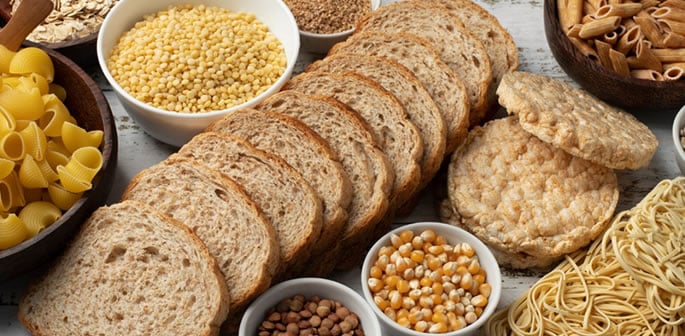
Fibremaxxing means deliberately increasing fibre through foods such as vegetables, beans, whole grains and fruit.
Research links higher fibre intake to improved appetite control, weight management, blood sugar regulation, heart health and reduced disease risk.
Dr Asiya Maula of The Health Suite said the shift reflects a deeper understanding of how the body regulates appetite and metabolism.
She explained: “Protein is important, but it’s been over-prioritised.
“Fibre is what most people are missing – and it plays a much bigger role in fullness, blood sugar stability and long-term health than many realise.”
Recent studies strengthened the case for fibre, linking increased intake to improved insulin sensitivity and lower cardiovascular risk.
Dr Maula said: “Fibre slows digestion and reduces sharp blood sugar spikes.
“That means fewer cravings, more stable energy and better appetite control throughout the day.”
Protein-heavy diets can unintentionally crowd out fibre-rich foods, as Dr Maula explained:
“When people focus obsessively on protein, they often crowd out fibre-rich foods.
“That can leave people constipated, craving sugar, or feeling sluggish – even if they’re technically ‘hitting their macros’.”
Unlike supplements or ultra-processed diet products, fibre also feeds beneficial gut bacteria, which researchers increasingly link to metabolic and immune health.
Dr Maula elaborated: “We’re learning that fibre doesn’t just pass through the body.
“It actively supports processes that protect long-term health, including heart health and inflammation control.”
Dr Maula advises people to increase fibre gradually to avoid digestive discomfort:
“Suddenly doubling fibre overnight can cause bloating or discomfort. The key is slow, steady increases with plenty of fluids.”
Dr Maula recommends prioritising whole foods over supplements and focusing on balance rather than extremes:
“Fibremaxxing isn’t about extremes. It’s about feeding your body properly and letting appetite and energy regulate themselves naturally.
“2026 will be the year people realise health isn’t about eating more protein – it’s about eating smarter. And fibre is at the centre of that shift.”