











































Makeup becomes expressive again rather than invisible.
Beauty in 2026 is less about chasing perfection and more about building longevity, resilience, and confidence across skin, body, and mind.
The industry is shifting away from surface-level fixes towards routines rooted in health, technology, and emotional well-being.
For South Asians, this evolution feels particularly relevant as conversations around hyperpigmentation, sensitivity, and holistic wellness continue to grow.
Skincare, makeup, and wellness are no longer separate categories but deeply interconnected parts of daily life.
Brands are responding with smarter formulations, personalised tech, and rituals that fit modern, busy lifestyles.
There is also a stronger focus on inclusivity, from shade ranges to cultural beauty needs that were once overlooked.
Gen Z and younger millennials are driving these changes, demanding transparency, performance, and pleasure from their products.
Beauty is now expected to support mental clarity, physical health, and long-term skin strength.
These ten key trends offer a clear picture of where beauty is heading in 2026 and how to start adapting now.
Whether you are a minimalist or a full glam lover, these shifts will shape how routines look and feel.
Metabolic and Longevity Beauty
 Beauty in 2026 looks far beyond anti-ageing and focuses on how skin functions over time.
Products increasingly reference metabolism, cellular energy, and biological age rather than wrinkles alone.
This approach reframes skincare as a long-term investment rather than a corrective solution.
Prejuvenation becomes a key term, especially for those in their twenties and thirties.
For South Asians, who often experience pigmentation or inflammation earlier, longevity-focused formulas feel more preventative and empowering.
Ingredients are positioned to support skin resilience against stress, pollution, and hormonal changes.
Clinical language enters everyday beauty, borrowing ideas from functional medicine and dermatology.
Treatments and home care aim to support skin health at a cellular level. The goal is not reversing time but strengthening skin so it ages well and predictably.
This marks a more realistic and sustainable approach to beauty expectations.
Beauty From Within and Nutricosmetics
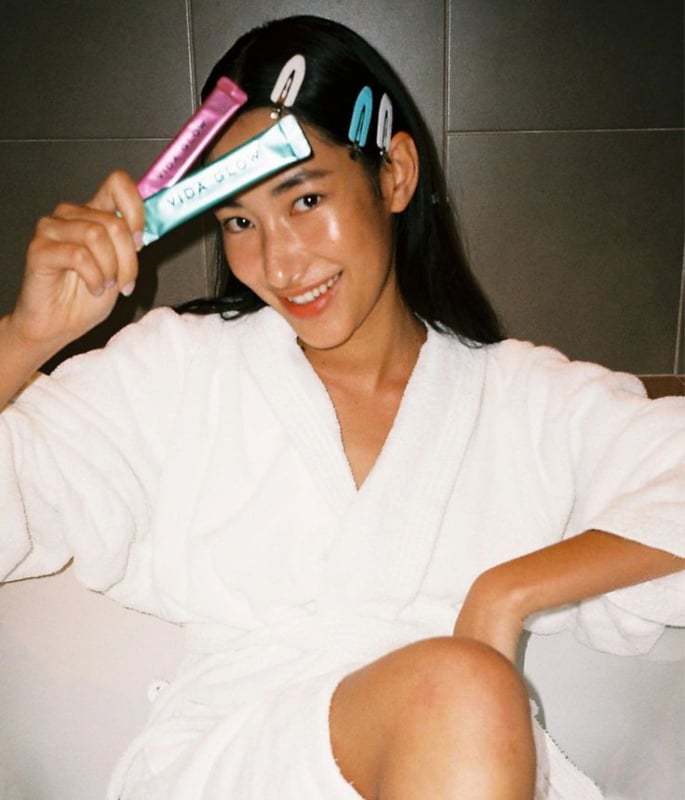 Ingestible beauty continues to grow as consumers seek visible results that start internally.
Collagen, probiotics, adaptogens, and micronutrient blends are marketed for glow, hair density, and barrier strength.
Sleep quality and gut health are increasingly linked to how skin looks and feels.
This resonates strongly within South Asian wellness traditions that already value internal balance.
Skincare brands now pair topical products with capsules, sachets, or functional drinks.
These combinations promise more comprehensive and consistent results. The messaging focuses on daily rituals rather than quick transformations.
Beauty becomes part of nutrition, not separate from it.
For busy lifestyles, this integrated approach feels practical and modern. It also reflects a growing trust in science-backed supplementation.
AI-Powered Personalisation
 Artificial intelligence becomes central to how beauty routines are built and maintained.
Skin analysis tools assess tone, texture, acne, and sensitivity in real time.
Recommendations now change with climate, hormones, stress levels, and lifestyle habits. This dynamic approach feels far more realistic than static routines.
Virtual consultations allow users to access expert guidance without clinical appointments.
This is especially useful for communities historically underserved by dermatology.
Makeup matching also improves, offering better shade accuracy for deeper and olive undertones.
South Asian consumers benefit from fewer compromises.
Personalisation becomes an expectation rather than a luxury. Beauty finally adapts to the individual, not the other way around.
Neurocosmetics and Mood Regulating Beauty
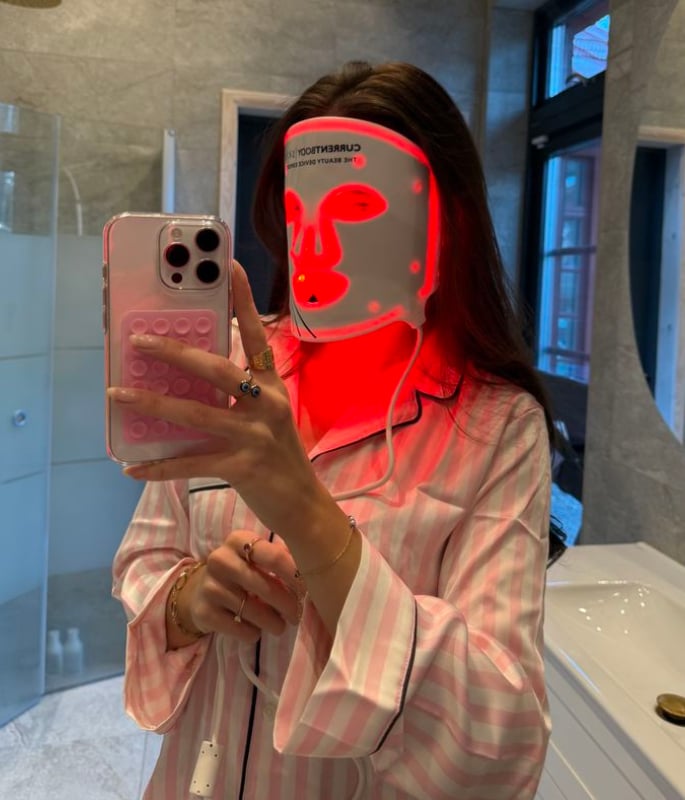 Beauty products increasingly claim to influence mood through the skin-brain connection.
Formulas focus on stress relief, focus, calm, or relaxation.
Scents, textures, and application rituals are designed as emotional experiences.
Skincare becomes a moment of pause rather than another task. This trend reflects wider conversations around burnout and mental health.
Small daily rituals feel grounding and restorative.
For South Asians balancing family, work, and cultural expectations, this emotional support feels meaningful.
Beauty routines become private moments of self-care. The sensory element is just as important as visible results. Feeling better becomes part of looking better.
Microbiome, Barrier, and Sensitive Skin Science
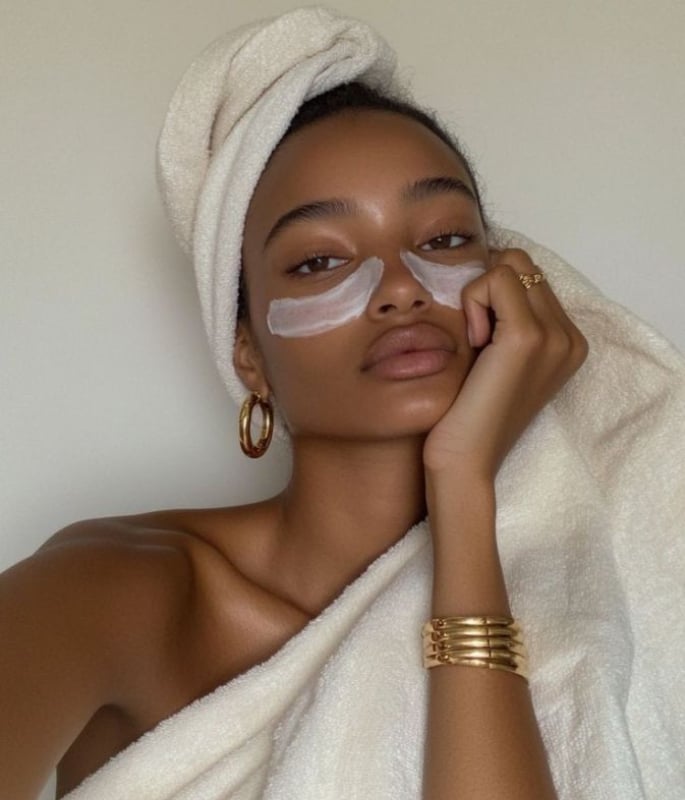 Sensitive and reactive skin concerns continue to rise globally.
Barrier repair and microbiome balancing remain at the centre of skincare innovation.
Probiotic and postbiotic ingredients support healthier skin ecosystems.
Minimalist formulations reduce irritation and overuse. This is particularly relevant for South Asians prone to redness, adult acne, or compromised barriers.
Gentle formulas offer safer long-term use. Dermatology-inspired products move into mainstream beauty.
Clinical credibility matters more than fragrance or packaging. The focus shifts towards calming, strengthening, and protecting skin.
Healthy barriers become the foundation for all other goals.
Tech-Powered Try On and Virtual Artistry
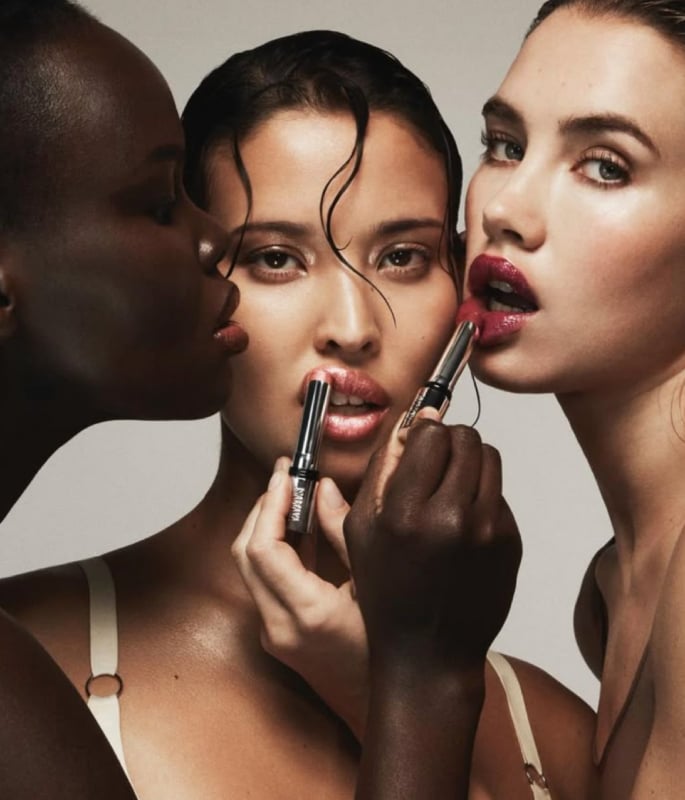 Virtual try-on technology evolves into full look simulations. Users can test skin, eyes, lips, and hair with improved realism.
Shade accuracy and texture simulation become far more reliable. This reduces waste and increases confidence when shopping online.
Global inclusivity improves as more complex undertones are represented digitally.
South Asian users see themselves reflected more accurately.
Brands use virtual artistry to launch editorial and limited drops first online.
Digital experimentation feels playful and accessible. This technology supports bolder beauty choices without commitment.
Creativity becomes easier and more democratic.
Maximalist Glamour and Eye Focus
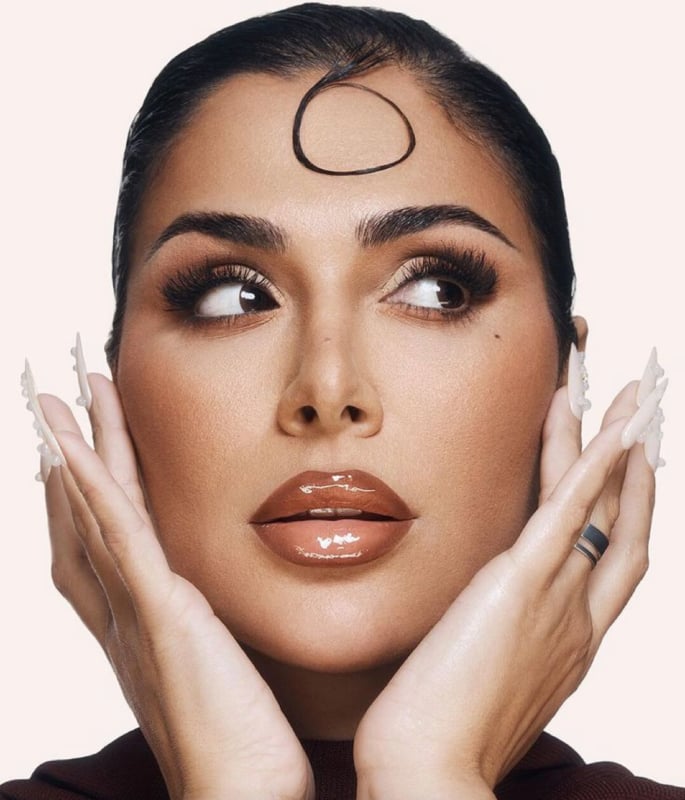 After years of understated aesthetics, glamour makes a confident return.
Statement eyes lead the way with lashes, liners, and shimmer. The look feels nostalgic yet refined, inspired by classic bombshell energy.
Makeup becomes expressive again rather than invisible.
South Asian beauty traditions already celebrate dramatic eyes, making this shift feel familiar. Cultural influences gain renewed relevance.
Complexion remains polished but not heavy. The focus is on impact rather than excess.
Going out makeup regains its place as a form of joy. Beauty feels fun again.
New Mattes and Skinified Makeup
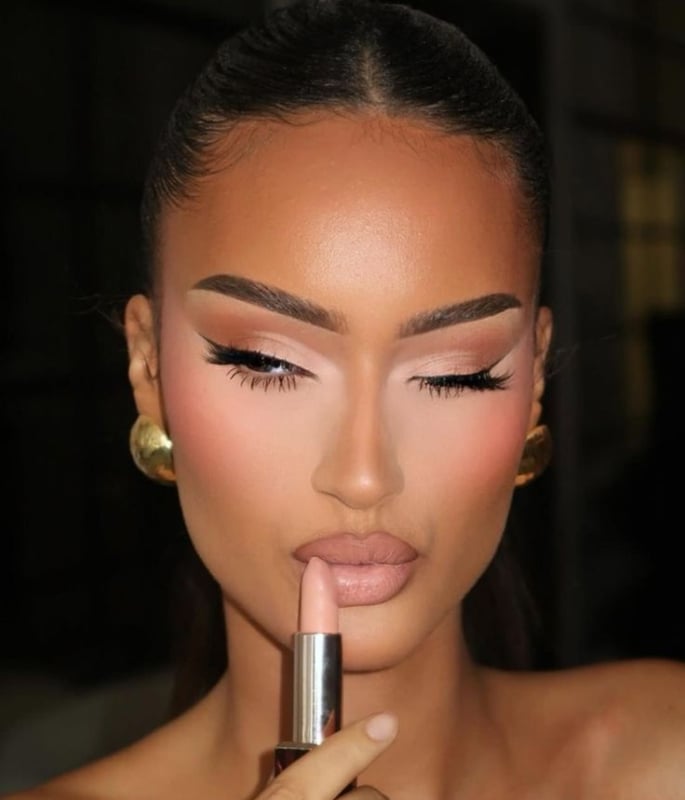 Matte finishes return with softer, blurred textures. Lips and bases feel pillowy rather than flat or drying.
Makeup now includes skincare-grade ingredients like peptides and ceramides. Products treat while they perfect.
Foundations and tints support hydration and barrier health. SPF becomes standard rather than optional.
This benefits South Asian skin tones that often struggle with traditional mattes. Comfort and performance finally align.
Makeup feels lighter yet more functional. Everyday products work harder behind the scenes.
Sustainability 2.0 and Upcycled Formulas
 Sustainability evolves beyond surface-level claims. Consumers demand traceable sourcing and measurable impact.
Biotech ingredients and upcycled botanicals gain credibility. Waste reduction becomes central to product design.
Refillable packaging and concentrated formulas are increasingly expected. Gen Z drives this accountability.
For conscious consumers, values influence purchasing decisions more than trends. Beauty becomes an ethical choice.
Sustainability feels integrated rather than performative. The industry moves towards long-term responsibility.
Hybrid Beauty Wellness Rituals
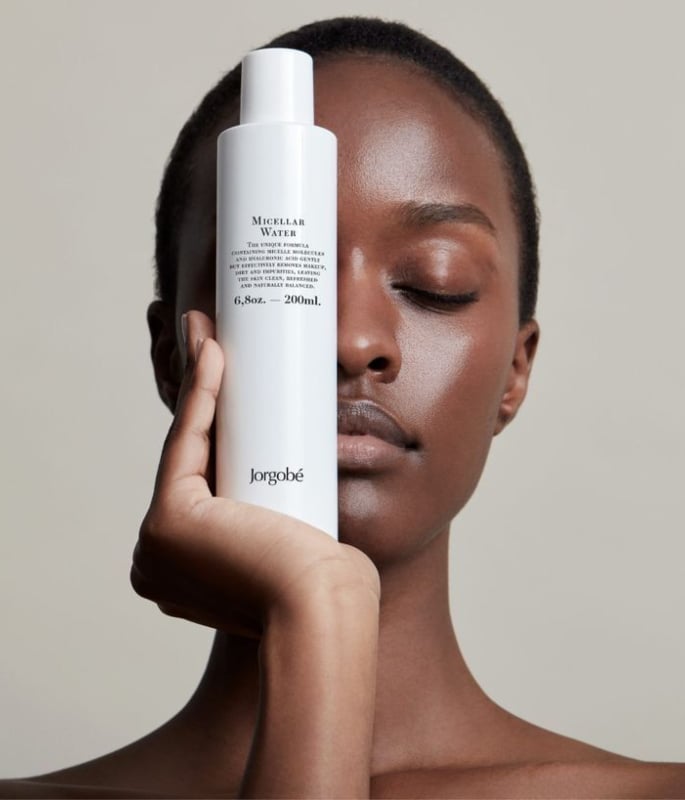 The boundaries between beauty, wellness, and performance continue to blur. Routines are framed as full-body rituals.
Body care adopts facial-level ingredients and textures. Serum-like products treat skin from head to toe.
Sleep, circadian rhythm, and recovery become beauty concerns. Launches focus on rest as much as results.
This holistic framing aligns with South Asian wellness philosophies rooted in balance. Beauty supports daily functioning.
Rituals feel intentional and personalised. Beauty becomes part of lifestyle design.
Beauty in 2026 is smarter, deeper, and more emotionally aware. The focus shifts from fixing flaws to supporting long-term well-being.
Technology plays a central role, but human experience remains at the heart of routines. Personalisation and inclusivity finally feel meaningful.
For South Asians, these trends offer better representation and more relevant solutions.
Cultural beauty needs are increasingly acknowledged.
Wellness, skincare, and makeup now exist on the same spectrum. This integration feels more realistic and sustainable.
Rather than chasing every launch, consumers are encouraged to build intentional routines. Beauty becomes a tool for confidence and care.
Understanding these trends helps you move forward with clarity, curiosity, and a stronger sense of self.